Registrars: Christina Black and Amanda Bielskas
Weather: Unseasonably cool, in the 60s; intermittent rain all day
Participants: 18
Bird Species: 33
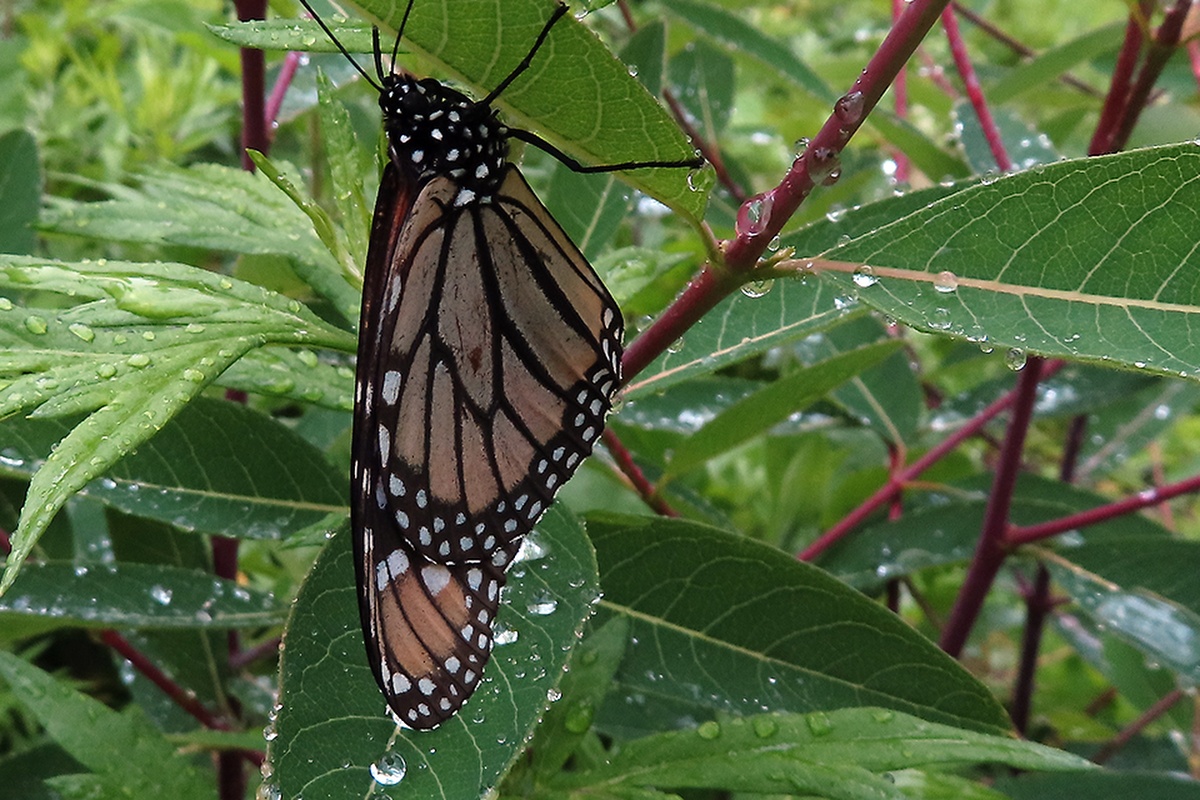
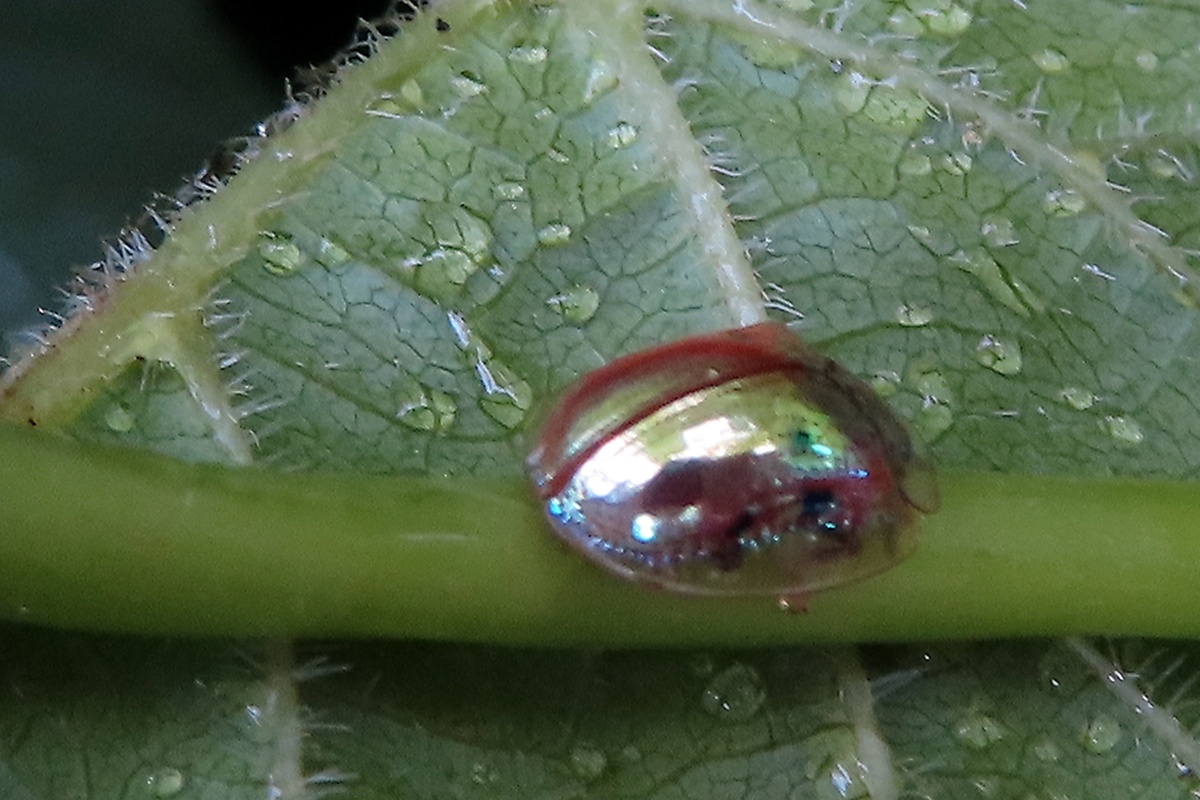
The intrepid group that showed up in Van Cortlandt Park despite a rainy weather forecast was rewarded with a six-hour nature bath and expert guidance on birds, insects, and local plants. Accompanied by the patter of mostly light rain, our leader Ken Chaya and his friend Mike Freeman began our walk near Van Cortlandt House/Museum, the former home of the Van Cortlandt family and the oldest surviving house in the Bronx. Inside the gated grounds we viewed a Barn Swallow on her nest under the eaves of the back porch, with several other individuals swooping about. Also nearby we spotted a Cedar Waxwing and a Baltimore Oriole. We then moved about the front and rear garden areas to view various insects, with some highlights being two Golden Tortoise Beetles, a Spittlebug ,and a Monarch Butterfly, all keeping dry while clinging to the underside of leaves. Also in the rear garden we observed several Tree Swallows flying to and from their nest boxes.
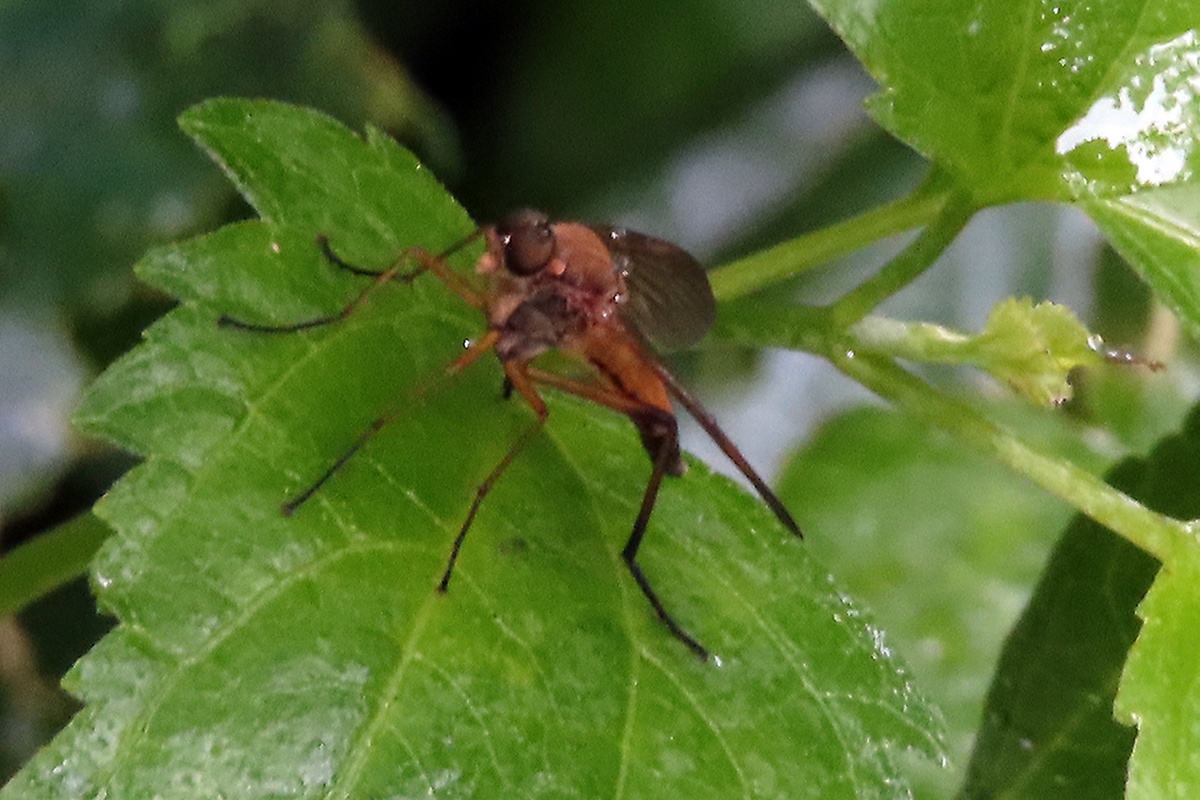
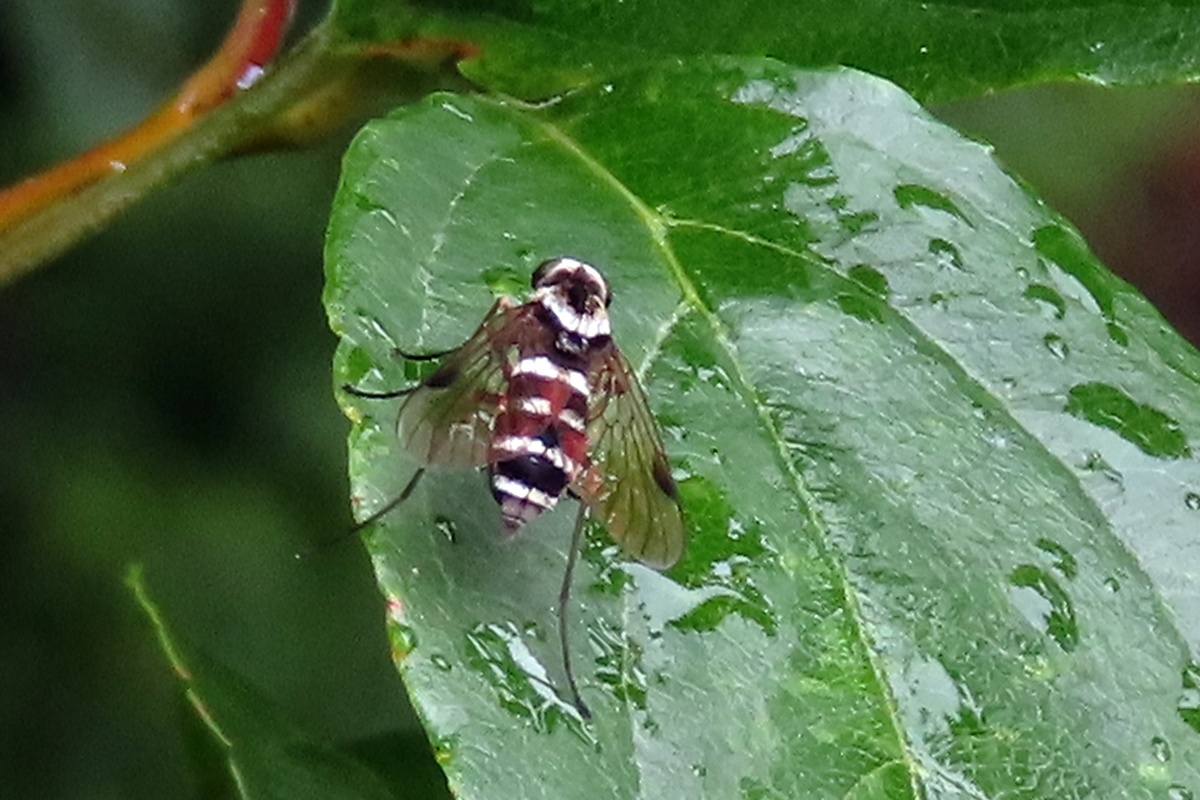
The group then waited out a somewhat heavier downpour before proceeding on the path to a spot near the Van Cortlandt Park Golf Course clubhouse. On the way, we observed an Eastern Harvestman (aka “Daddy Long Legs”) and some interesting flies, including a Marsh Snipe Fly and a few species of Syrphid flies, which are commonly known as “Hover Flies.” Some of the trees we noted were Hop-hornbeam, Red Maple, and Silver Maple.
Near the lake, the group spent some time overturning some large logs, yielding a cornucopia of amazing wriggly creatures, including primitive invertebrates known as Jumping Bristletails (which, happily, did not jump at us), as well as some millipedes and centipedes and different forms of fungi.
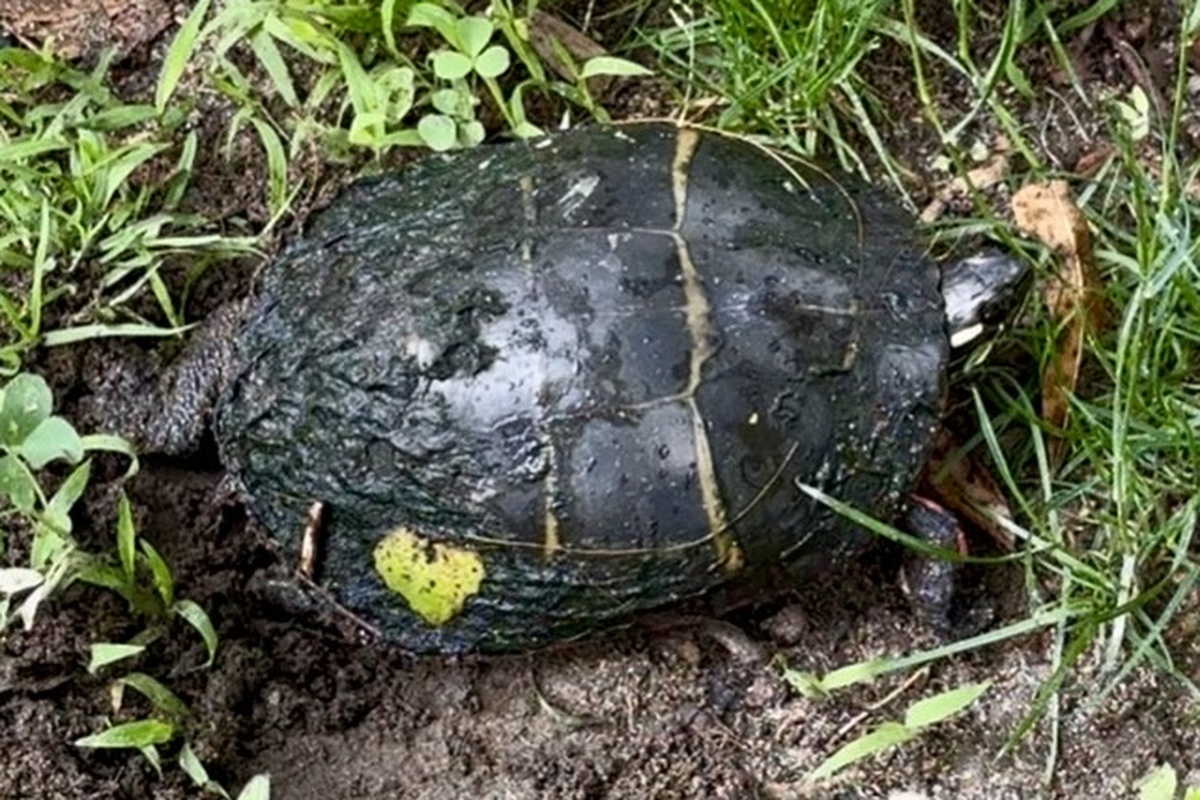
Along the shoreline of the lake we found a Fragile Forktail and an Orange Bluet, two species of native damselflies. The larvae of damselflies are aquatic creatures and it is common to find the adults perching and hunting near water areas. Continuing up the lakeside path, the group saw a Great Blue Heron, some Mallards with ducklings, and several Wood Ducks. Further along, three House Finches briefly flew down to the path. Before we left the lake area, we spotted a female Painted Turtle slowly excavating a nest in the soil by the path. Once her eggs are laid, she will cover the nest and return to the water. From that point on her parenting job is done. The baby turtles will hatch entirely on their own and claw their way to the surface, where they must quickly find their way to the safety of the water.
Walking along the Parade Ground, we admired an enormous century-old London Plane tree. Moving deeper into the woods past Vault Hill, the group spent some time in the planted meadow, where we were delighted to see an active Baltimore Oriole nest. Both parents were involved in bringing food to the hatchlings, which could just barely be seen above the rim of the woven nest. Other birds that breed here include the Tree Swallows that use the constructed nest boxes placed in the meadow for that purpose. Common Milkweed, Joe Pye weed, and Dogbane—all native plants—were showing their emerging buds that will soon be the flowers of summer and happily visited by a variety of pollinators.
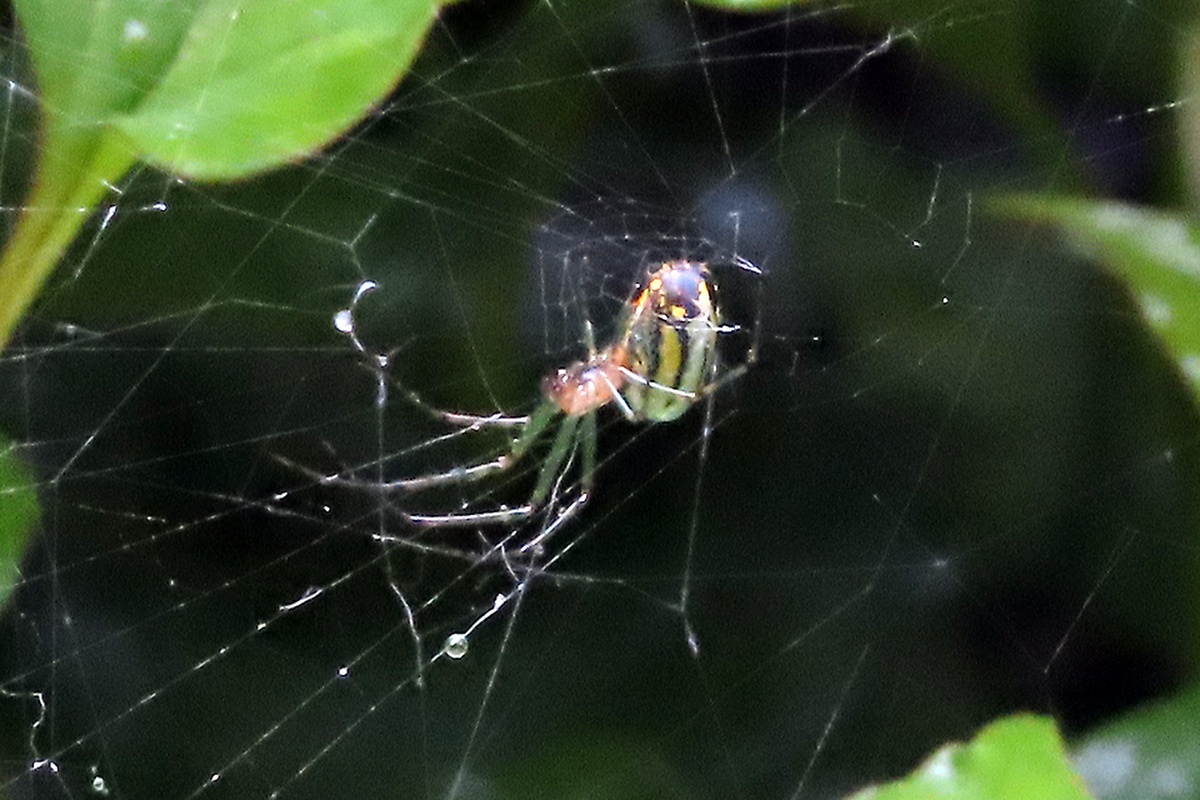
Farther along the wooded path that hosts a dense forest of Sassafras, we found an interesting species of fungus. Alarming in name as well as appearance, the ghostly white vertical growth of “Dead Man’s Fingers” reached up toward us, growing from a dark, rotted tree stump, and its surrounding soil. We stopped for a late lunch at Rockwood Circle, while a Wood Thrush serenaded us from the woodland. Down the path, a pair of Brown-headed Cowbirds appeared and made their way into the brush. Here, the canopy of tall, mature trees include oaks, hickories, and cottonwoods. Another highlight was a close-up view of an Orchard Orb Weaver spider on its web. Just inside the woodland, on a dead log, was a large yellow slug. It was identified as a Western Dusky Slug. It appeared to be (unsuccessfully) trying to hide in a large growth of mustard-colored,jelly fungus known as “Club-like Tuning Fork.” Thanks to the very wet spring we are having, dozens of tiny jelly fungi growths were emerging from this single log.
Heading back towards Broadway, we passed a Praying Mantis egg case, a Meadow Spittlebug, and various woodland plants including blooming Fleabane and Silvery Cinquefoil. Arriving back at the vast green Parade Ground, we saw an Osprey gliding across the gray sky above us, signaling the end of a very full day. A soggy but happy group headed home together on the subway, having explored a good part of the park’s 1,146 acres and seen hardly any other park visitors, thanks to the rain.
Species List
Birds
Canada Goose
Wood Duck
Mallard
Rock Pigeon
Cuckoo sp
Chimney Swift
Double-crested Cormorant
Great Blue Heron
Osprey
Cooper’s Hawk
Red-bellied Woodpecker
Northern Flicker
Warbling Vireo
Red-eyed Vireo
Blue Jay
American Crow
Tree Swallow
Barn Swallow
Carolina Wren
European Starling
Gray Catbird
Wood Thrush
American Robin
Cedar Waxwing
House Sparrow
House Finch
Song Sparrow
Orchard Oriole
Baltimore Oriole
Red-winged Blackbird
Brown-headed Cowbird
Common Grackle
American Redstart
Butterflies and Moths
Banded Olethruetes Moth (Olethreutes fasciatana)
Common Bagworm Moth (Psyche casta)
Monarch Butterfly (Danaus plexippus)
Bess, Wasps, and AntsHoney Bee (Apis mellifera)
True Bugs
Meadow Spittlebug (Philaenus spumarius)
Dogwood Spittlebug (Clastoptera proteus)
Alder Spittlebug (Clastoptera obtusa)
Spotted Lantern Flies (Lycorma delicatula)
Plant Bug (Family Miridae)
Flies
Hover Fly (Family Syrphidae)
Banded Snipe Fly (Chrysopilius fasciatus)
Marsh Snipe Fly (Rhagio tringarius)
Green Bottle Fly (Lucilia sericata)
Crane Fly (Family Tipulidae)
Long-legged Fly (Family Dolichopodidae)
Beetles
Golden Tortoise Beetle (Charidotella sexpunctata)
Asian Lady Beetle (Harmonia axyridis)
Damselflies
Fragile Forktail (Ischnura posita)
Orange Bluet (Enallagma signatum)
Other Non-insect Invertebrates
Orchard Orb Weaver Spider (Leucauge venusta)
Eastern Harvestman aka “Daddy Long Legs” (Leiobunum vittatum)
Warty Harvestman aka “Daddy Long Legs” (Leiobunum verrucosum)
Jumping Bristletail (Family Machilidae)
Centipede (Class Chilopoda)
Green House Millipede (Oxidus gracilis)
Western Dusky Slug (Arion subfuscus)
Fungi
Club-like Tuning Fork (Calocera cornea)
Jelly Fungus (Dacryopinax elegans)
Other Species
Painted Turtle, female digging nest for eggs
Chipmunk
Eastern Gray Squirrel (some black-form individuals as well)