Registrar: Richard Davis
Participants: 22
Weather: Early morning at Plumb 74-78°F and sunny with WSW Wind 5 mph, low tide: 4:30 am, high tide: 10:30 am; mid morning to afternoon at JBWR 78-81° F and mostly sunny with WSW Wind 8 mph, high tide: 10:41 am
Bird Species: 63
The planned Linnaean Society trip to Jamaica Bay trip is expanded to include Plumb Beach due to high water levels in the East Pond at Jamaica Bay, recent downpours, and the timing of tide levels. Many participants are eager to experience Plumb Beach as a new birding territory to explore. We gather early morning in the parking lot under a fading full moon that becomes a backdrop to a family of Boat-tailed Grackles. Soon a Northern Yellow Warbler offers a distraction while awaiting the arrival of the final carload of participants.
We walk single file along the bike path and enter the marsh to be greeted by a Northern Mockingbird imitating several neighboring species including Purple Martins, Semipalmated Plovers, Common Terns and crickets. We proceed to examine every Willet closely to distinguish the Eastern from the Western subspecies. Our leader, Casey, points out juvenile American Oystercatchers by the dusky coloration at the tip of their beaks.
Making our way out to a view of the mudflats, we delight in Casey’s passion for terns and begin to examine more closely the many passing Forster’s Terns, whiter and frostier than the Common Terns that will fly by a short while later. Several Least Terns eventually appear and even set down along the beach and then a Royal Tern flies over, which is happily a life bird for some in the group. A probable hendorsoni subspecies of Short-billed Dowitcher is picked out and examined on the mudflat. Casey’s first-of-season juvenile Great Black-backed Gulls are spotted, one very fresh and crisp, eventually three will be observed along the beach and waterline. As the tide continues to rise, we decide to move on to Jamaica Bay.
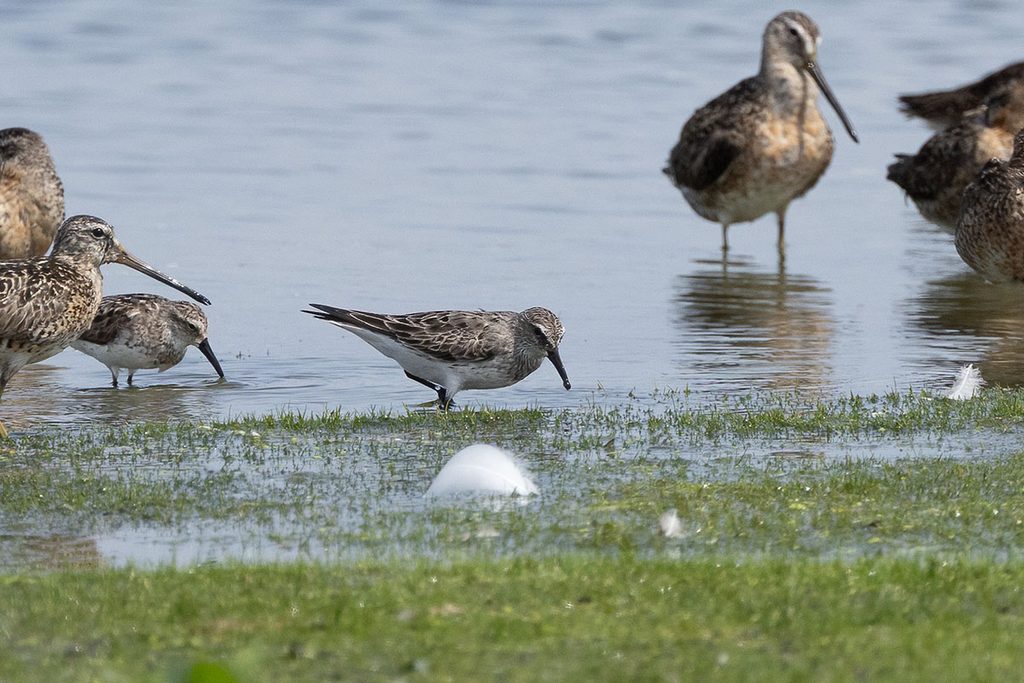
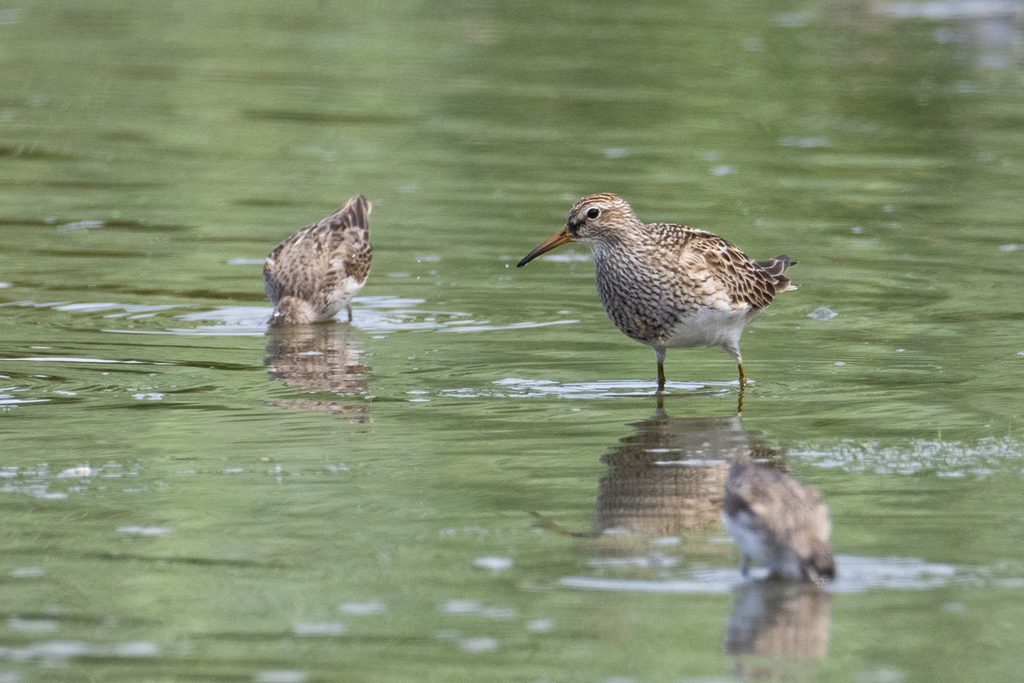
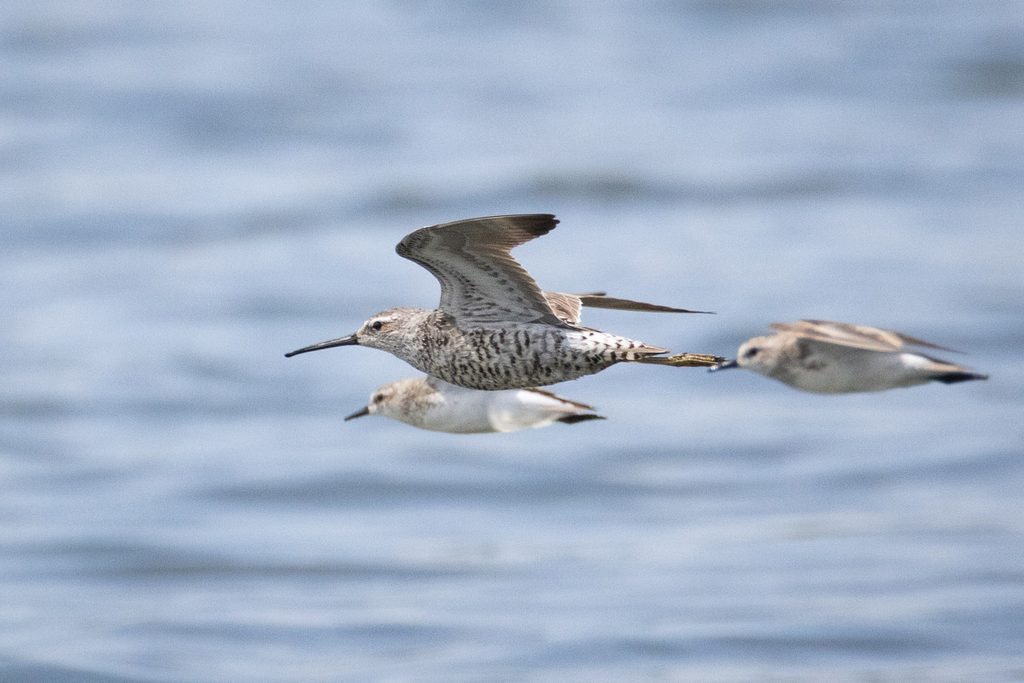
At Jamaica Bay Wildlife Refuge, the water levels are indeed very high on the East Pond. We end up staying at the south end to observe the birds that forage or rest on the flats nearby, or fly over, including numerous swallows, mostly Tree and a few Barn. Almost immediately a couple of White-rumped Sandpiper are observed on a nearby flat directly in front of the group. Eventually a few Pectoral Sandpipers and several Stilt Sandpipers are seen. A Red Knot flies by! Several groups of Short-billed Dowitchers are seen near and further away and combed through for a sought-after Long-billed Dowitcher observation. One potential subject is identified, but before every person in the group can get a solid view, the shorebirds are suddenly flushed.
After lunch some in the group decide to check the breach at the West Pond and are treated to another Royal Tern flying by, but no nearby shorebirds. The trip wraps up by early afternoon, and the group is satisfied with an excellent start to shorebird migration season. While this was Casey’s first experience leading a trip, the group would not have known as Casey is a wealth of naturalist information on insects, fish, crabs and other shore and marsh species that we encountered. We hope it is the start of many more trips to come.
Species Lists
Birds
Canada Goose
Mute Swan
Gadwall
Mallard
Bufflehead
Rock Pigeon (Feral Pigeon)
Mourning Dove
American Oystercatcher
Black-bellied Plover
Killdeer
Semipalmated Plover
Short-billed Dowitcher (griseus)
Short-billed Dowitcher (hendersoni)
Long-billed Dowitcher
Spotted Sandpiper
Solitary Sandpiper (solitaria)
Lesser Yellowlegs
Willet
Willet (Eastern)
Greater Yellowlegs
Ruddy Turnstone
Red Knot
Stilt Sandpiper
Sanderling
White-rumped Sandpiper
Least Sandpiper
Pectoral Sandpiper
Semipalmated Sandpiper
Laughing Gull
Ring-billed Gull
American Herring Gull
Great Black-backed Gull
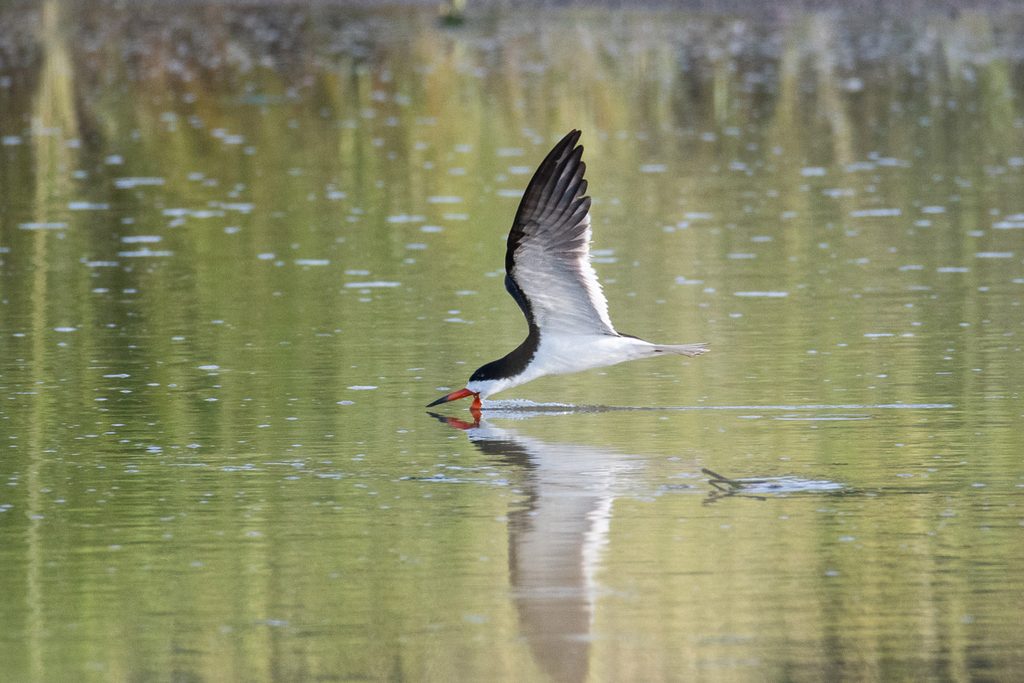
Black Skimmer
Least Tern
Forster’s Tern
Common Tern
Royal Tern
Double-crested Cormorant
Glossy Ibis
Yellow-crowned Night Heron
Black-crowned Night Heron
Snowy Egret
Great Egret
Great Blue Heron (Great Blue)
Osprey (American)
Peregrine Falcon
Willow Flycatcher
Bank Swallow
Tree Swallow
Purple Martin
Barn Swallow (American)
European Starling
Gray Catbird
Northern Mockingbird
American Robin
Cedar Waxwing
House Sparrow
House Finch
Song Sparrow (melodia/atlantica)
Red-winged Blackbird (Red-winged)
Brown-headed Cowbird
Boat-tailed Grackle
Northern Waterthrush
Northern Yellow Warbler
Northern Cardinal
Butterflies
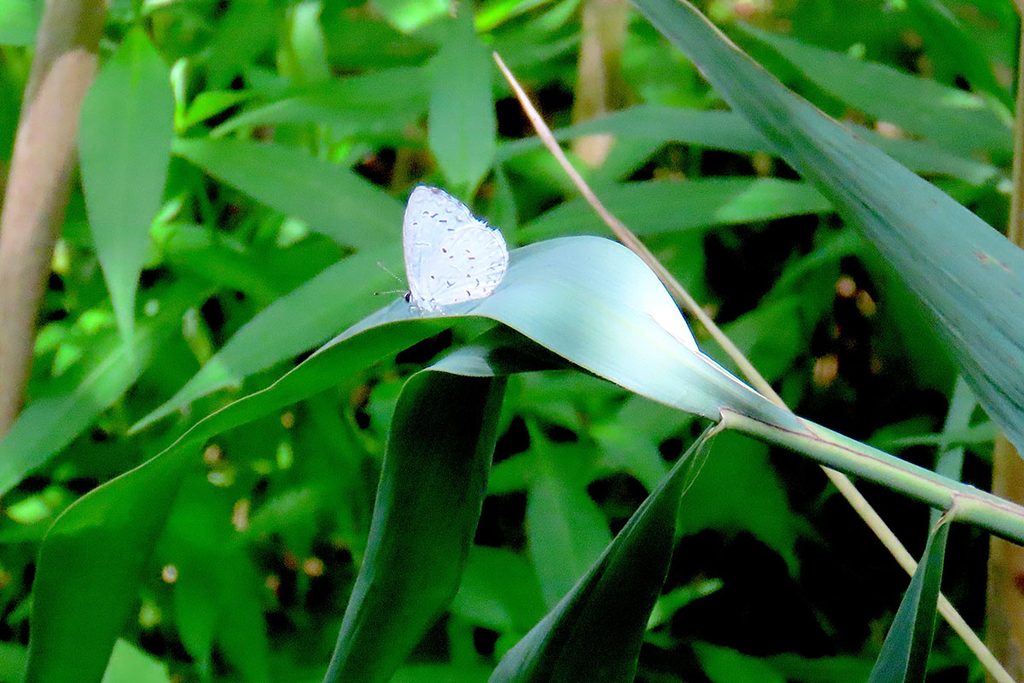
Summer Azure
Broad-winged Skipper
Monarch
Cabbage White