Registrar: Anne Lazarus
Participants: 15
Weather: Cloudy early morning, then sunny, high 60 F.
May 31 was a perfect, sunny, mild day for a botany walk in the north end of Central Park. We met our wonderful leader, Regina Alvarez, who made sure we all had magnifying glasses.
We began our day by examining leaf galls of the Washington Hawthorn tree. Plants defend themselves against invaders by isolating them in these galls. The eggs and larvae develop in the galls, where they find nutrition and emerge at a later date as adults. Galls are specific for each tree. Adjacent to the Hawthorn tree were small plants in the buckwheat family. Buckwheats create a thin, leaf-like sheath around the stem, where the leaf blade attaches. Smartweed and Virginia Knotweed are in the buckwheat family. We examined the Smartweed without magnifying glasses.
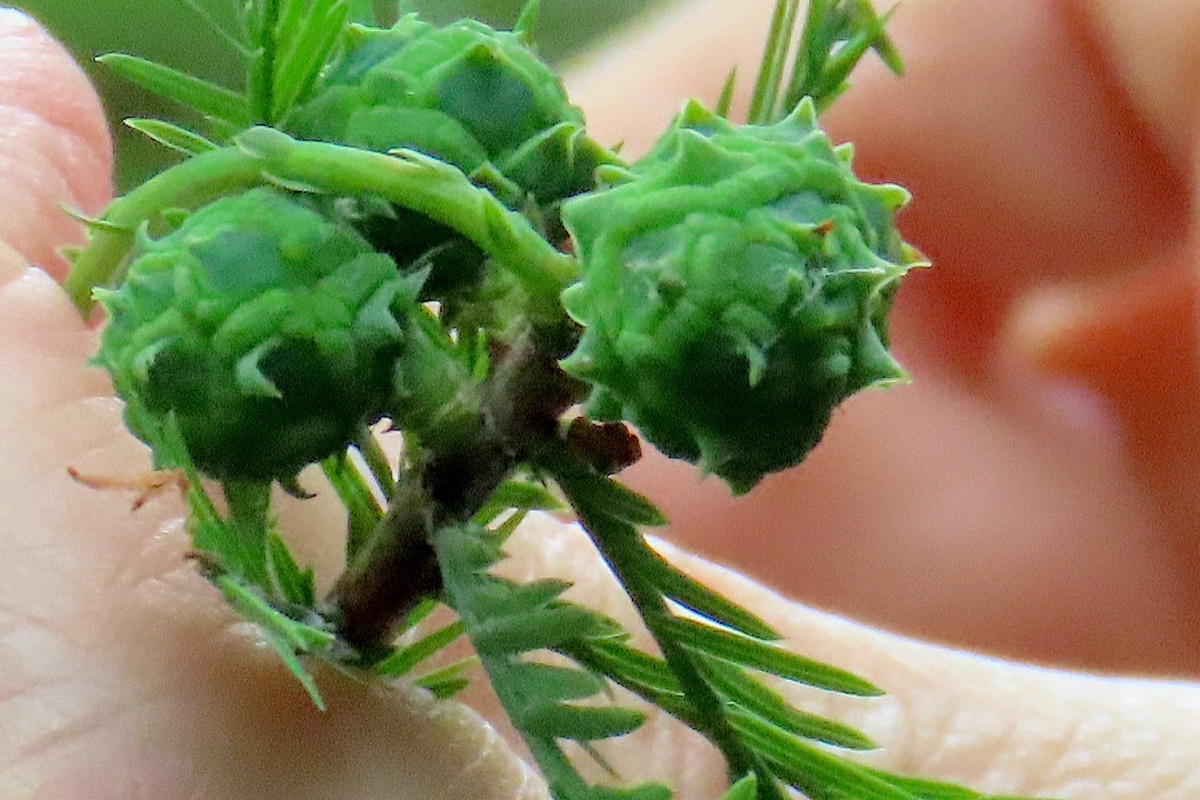
We could have spent over an hour in this one spot because there was so much to see and examine. We were fascinated by the Bald Cypress. It is a conifer that sheds its leaves in the fall. This tree is monoecious, with both male and female flowers on the same tree. The female flowers are wind pollinated and develop into little cones, which we viewed in detail. This tree has “knee” projections from above the root. The reason for the knees might be related to oxygen access, but this is still being investigated. We learned that Bald Cypress trees growing in drier areas do not have “knees”—for example, the Bald Cypress of Strawberry Field does not have “knees”.
The small plants that spend their lives close to the soil also play their role. We examined the humble English and the American (native) plantains. The base of our native plantain is red, but the English Plantain’s is white. These plants are dicots, but the leaf veins are parallel, like those of a monocot.
We then strained our necks to look up to the crown of the mighty Tulip tree. This tree loses its bottom branches as it grows taller and reaches for the sunlight. We learned that each plant species has its own strategy for survival and reproduction. Oaks are fine growing in the shade. An English Elm has been planted in the Loch, and has been placed in a cage for protection.
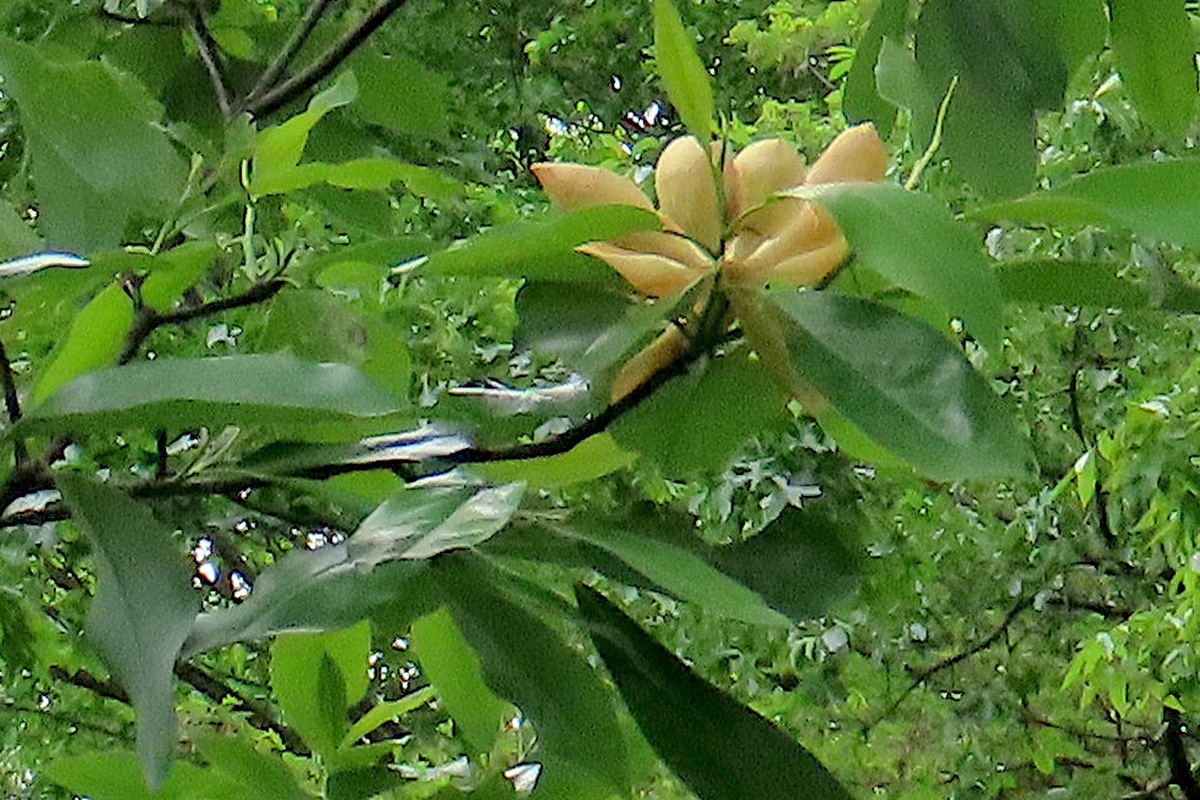
A beautiful native birch is the River Birch. It can grow in difficult environments, and is a rugged tree with nutrients that attract a variety of birds. Many insect-eating birds also find nourishment in this tree. We examined many specimens of our native Sweet Bay Magnolia, Staghorn Sumac, Sassafras, and many other species. Ironwood trees create burls, a distorted outward growth on the trunk that forms from stress. The tree can survive well with a burl.
The London Plane tree is a hybrid of the American Sycamore and the Oriental Plane tree. It is infertile, but it can remove pollutants from the air.
We switched our attention to the tiny flowering plants that were floating in the Pool—Milfoil. It offers shade, fish cover, and habitat for invertebrates. Odonates are insect predators; they are attracted to the Pool. The tiniest plant that we saw was the Watermeal. It is rootless, but capable of spreading rapidly. The Duckweed keeps aggressive algae under control, and the shoreline plants also stop nutrients from feeding algae. Blue Flag Iris is a native shoreline plant at the Pool.
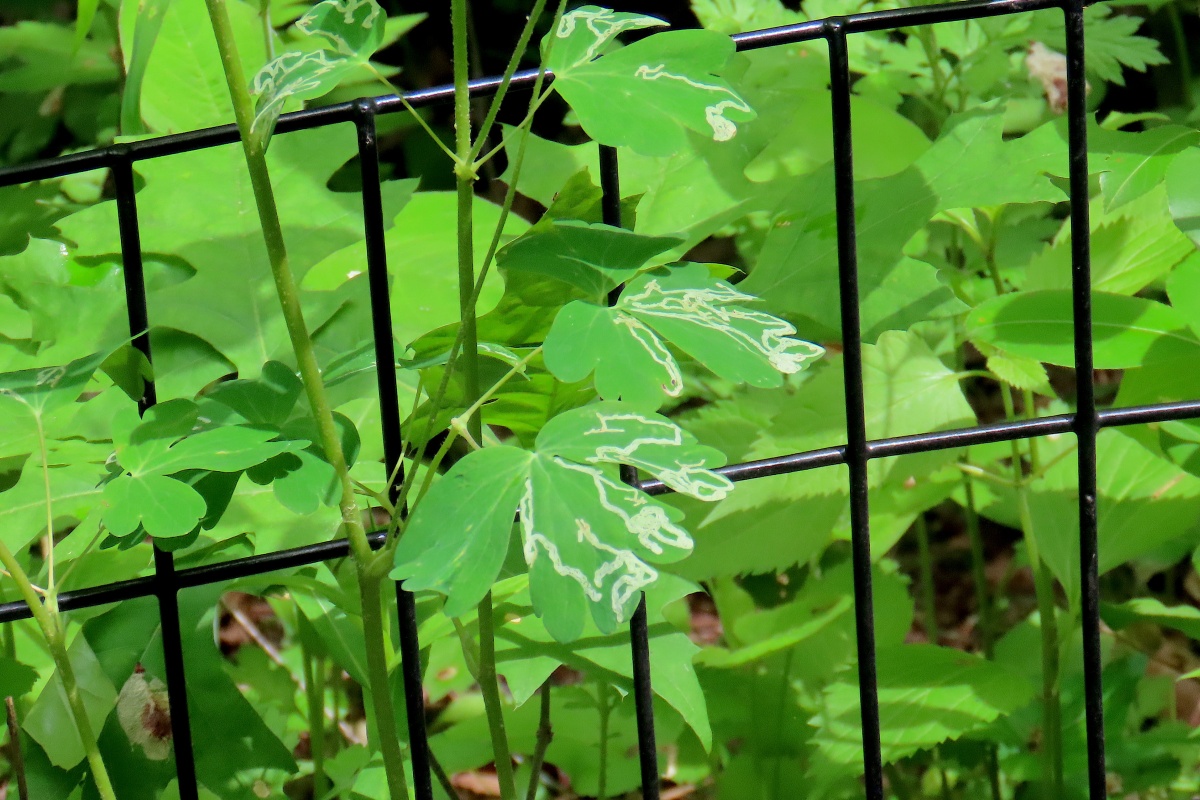
Many flowering shrubs captured our attention. We were happy to observe a native Azalea shrub. A sign of spring is the Trillium, which we saw in the Loch. It is a spring ephemeral, like violets. Jewelweed was starting to bloom in the Loch. Another favorite is the Columbine; leaf miners were tunneling their way through its leaf tissue, and will eventually emerge as adult insects. We took photos of the leaves and flowers. A valuable plant with fruit that nourishes many bird species is the Pokeweed. Burdock, another interesting plant, has a two-year reproduction cycle. This plant is the inspiration for velcro!
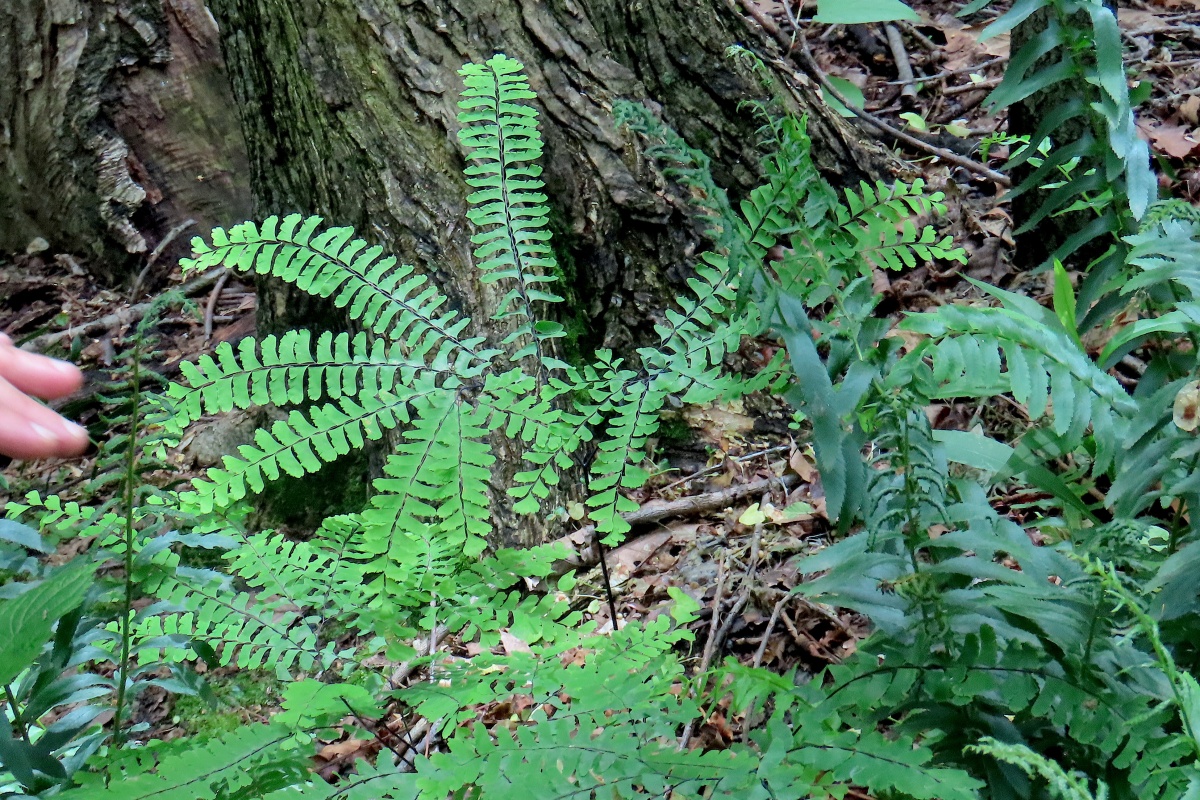
Ferns are an important part of the Pool’s ecology. They produce spores, not seeds. The sporangia seen on the back of the fern’s fronds, or on a separate frond, hold and release haploid spores (that is, spores with unpaired chromosomes in the cells) as part of fern’s complex reproductive process. A variety of fern species grow near the Pool: New York Fern, Ostrich Fern, Royal Fern, and Christmas Fern are among them.
Central Park has both native and non-native plants. The native plants offer the nourishment needed by bees and birds; non-native plants like Mugwort do not attract bees and birds. Poison Ivy, a vine, is native and an important source of nutrients for our birds. It does not cover and choke the trees. Non-native Porcelain Berry does cover and harm the trees by choking them. It is in the grape family. Unfortunately, birds love the fruit and spread its seeds.
Lichen are not plants but, rather, associations between specific fungi and algae or cyanobacteria. The algae or cyanobacteria provide nutrients from photosynthesis for the fungi, and the fungi provide structure and protection. There are three common types of lichen: foliose, which we observed at close range, crustose, and fruticose. Lichen appear worldwide and are a source of food for caribou.
Plant diversity can seem overwhelming. We learned so much during our outdoor classroom, and we look forward to returning to learn more.
Species List
Birds
Canada Goose
Mallard
Rock Pigeon (Feral Pigeon)
Mourning Dove
Great Egret
Black-crowned Night Heron
Black Vulture
Downy Woodpecker
Rough-winged Swallow
Least Flycatcher
Gray Catbird
Blue Jay
European Starling
House Sparrow
American Robin
Black-and-white Warbler
Common Grackle
Trees
American Sycamore
Bald Cypress
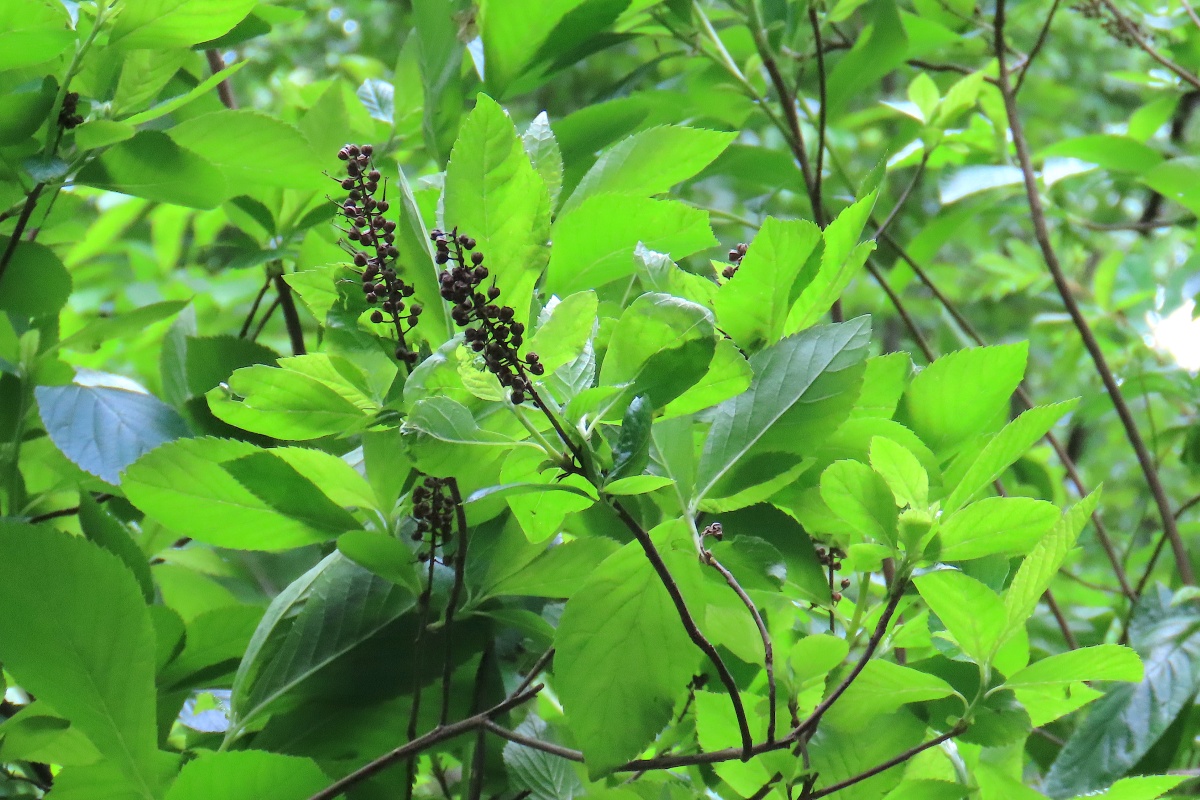
Black Cherry
Black Locust
English Elm, (sapling, non-native)
Hackberry
Hickory Tree (sapling)
London Plane Tree ( hybrid of American Sycamore Tree and Oriental Plane Tree)
Sassafras
Serviceberry
Staghorn Sumac
Sweetgum
Sweetbay Magnolia
Swamp White Oak
Tulip Tree
Tupelo Tree
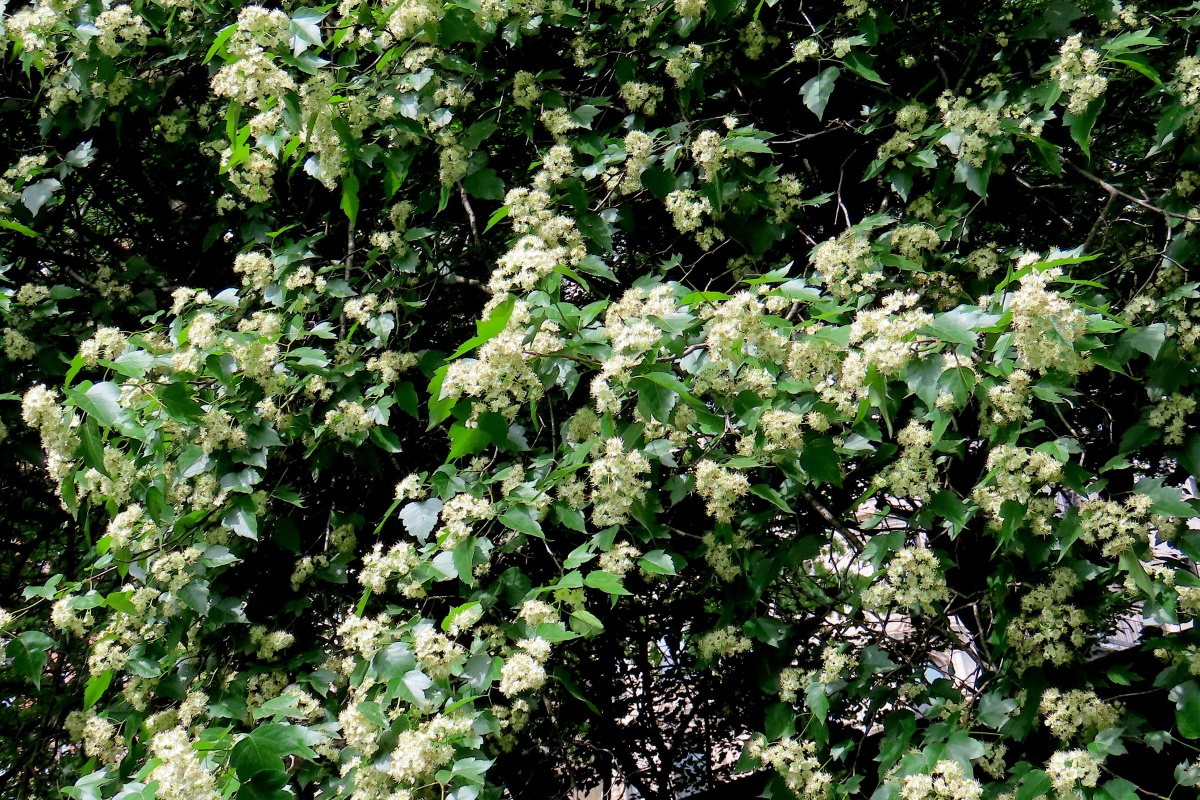
Washington Hawthorn Berry
Bushes and Shrubs, Flowers
American Plantain (native)
Azalea, several native varieties (Flame and Pinxter)
Blue Flag Iris (native)
Blue Violet
Burdock (biennial)
Carolina Rose
Columbine
Common Reed (invasive)
Cone Flower
Duckweed (tiny flowering plant in water)
Japanese Knotweed (Buckwheat family, invasive )
Jewelweed
Mugwort ( tiny flowers, invasive )
Poison Ivy (Vine)
Pokeweed
Porcelain Berry (vine, invasive)
Smartweed (Buckwheat family)
Smooth Hydrangea
Spicebush
Swamp Rose
Sweet Pepper Bush
Trillium species (flower not showing )
Virginia Creeper (Vine)
Virginia Knotweed (Buckwheat family)
Virginia Sweet Spire
Watermeal (even tinier flowering plant in water – the tiniest plant we know)
Yellow Iris (invasive)
Yellow Violet
Yellow Wood Sorrel
Ferns
Christmas Fern
Maidenhair
Ostrich Fern
Royal Fern
Wood Fern
Fungus and Lichen
Crustose form of lichen on rock, very flat
Leafy Foliose (algae, cyanobacteria with a fungus symbiotic)
Taphrinna farlowii (fungus on cherry leaves)
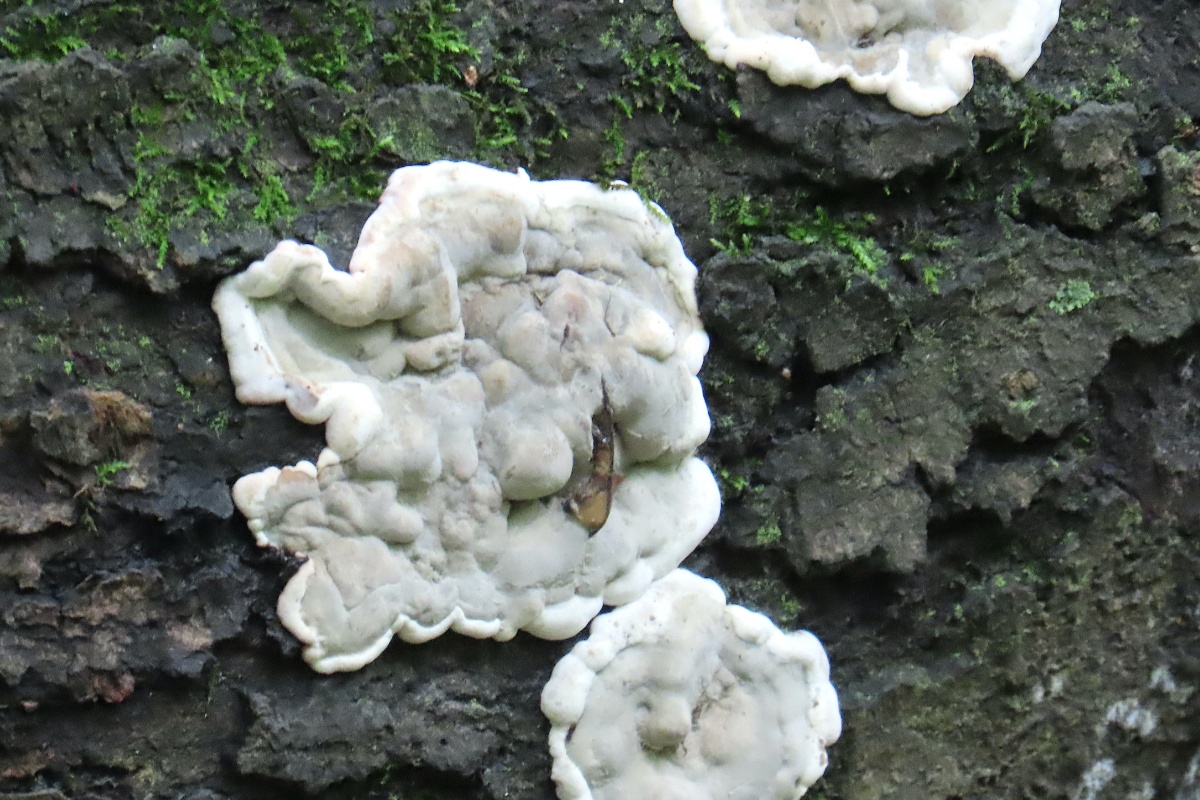
Tree Fungus (Brittle Cinder)
Herps
Snapping Turtle
Red-eared Slider
Mammals
Eastern Gray Squirrel
Insects
Elm leafminer (sawfly)
Hackberry star gall (psyllid)
Hackberry nipple gall (psyllid)
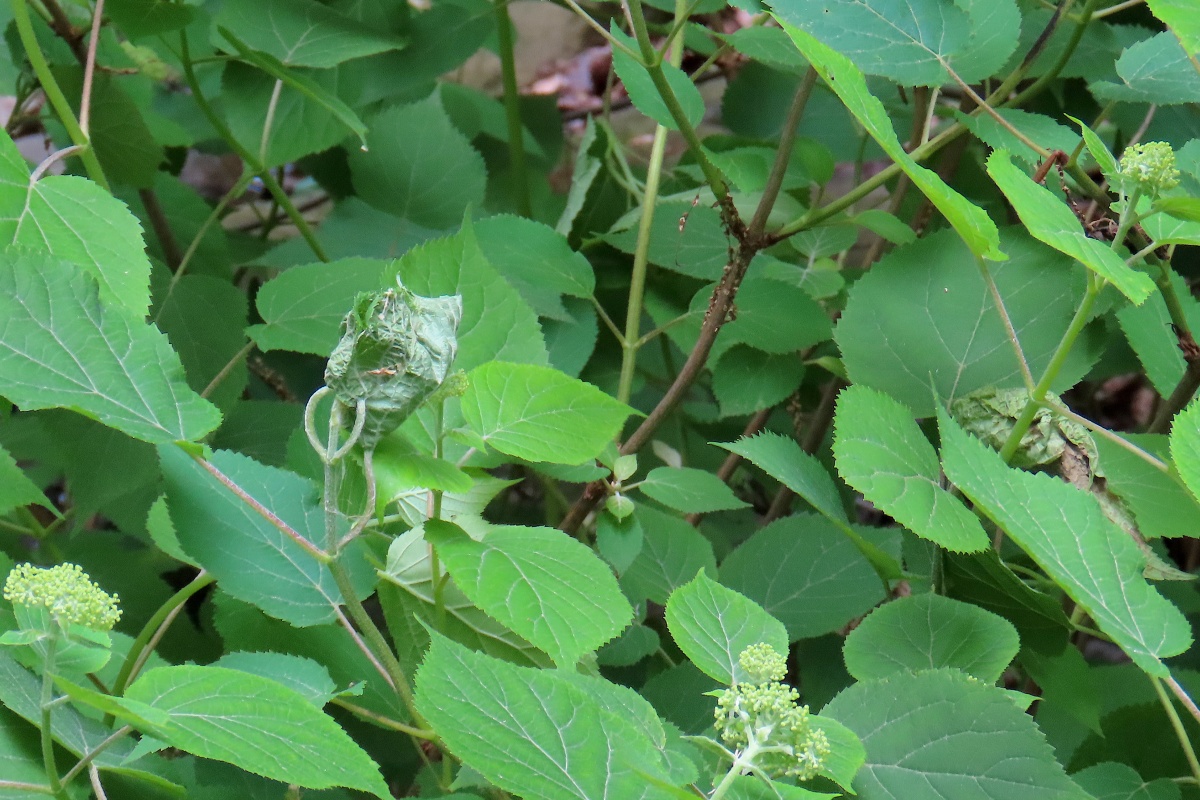
Hydrangea leafier moth (saw the leaf structure it makes)
Leafminer fly on Columbine
Rice root aphid gall
Witch hazel cone gall (aphid)
Butterfly
Question Mark