The Linnaean Society of New York

Field Trip Reports
 

Van Cortlandt Park Nature Walk: Birds, Butterflies, and More with Ken Chaya and Mike Freeman, 6/14/2025

Registrars: Christina Black and Amanda Bielskas
Weather: Unseasonably cool, in the 60s; intermittent rain all day
Participants: 18
Bird Species: 33

The intrepid group that showed up in Van Cortlandt Park despite a rainy weather forecast was rewarded with a six-hour nature bath and expert guidance on birds, insects, and local plants. Accompanied by the patter of mostly light rain, our leader Ken Chaya and his friend Mike Freeman began our walk near Van Cortlandt House/Museum, the former home of the Van Cortlandt family and the oldest surviving house in the Bronx. Inside the gated grounds we viewed a Barn Swallow on her nest under the eaves of the back porch, with several other individuals swooping about. Also nearby we spotted a Cedar Waxwing and a Baltimore Oriole. We then moved about the front and rear garden areas to view various insects, with some highlights being two Golden Tortoise Beetles, a Spittlebug ,and a Monarch Butterfly, all keeping dry while clinging to the underside of leaves. Also in the rear garden we observed several Tree Swallows flying to and from their nest boxes.

The group then waited out a somewhat heavier downpour before proceeding on the path to a spot near the Van Cortlandt Park Golf Course clubhouse. On the way, we observed an Eastern Harvestman (aka “Daddy Long Legs”) and some interesting flies, including a Marsh Snipe Fly and a few species of Syrphid flies, which are commonly known as “Hover Flies.” Some of the trees we noted were Hop-hornbeam, Red Maple, and Silver Maple.

Near the lake, the group spent some time overturning some large logs, yielding a cornucopia of amazing wriggly creatures, including primitive invertebrates known as Jumping Bristletails (which, happily, did not jump at us), as well as some millipedes and centipedes and different forms of fungi.

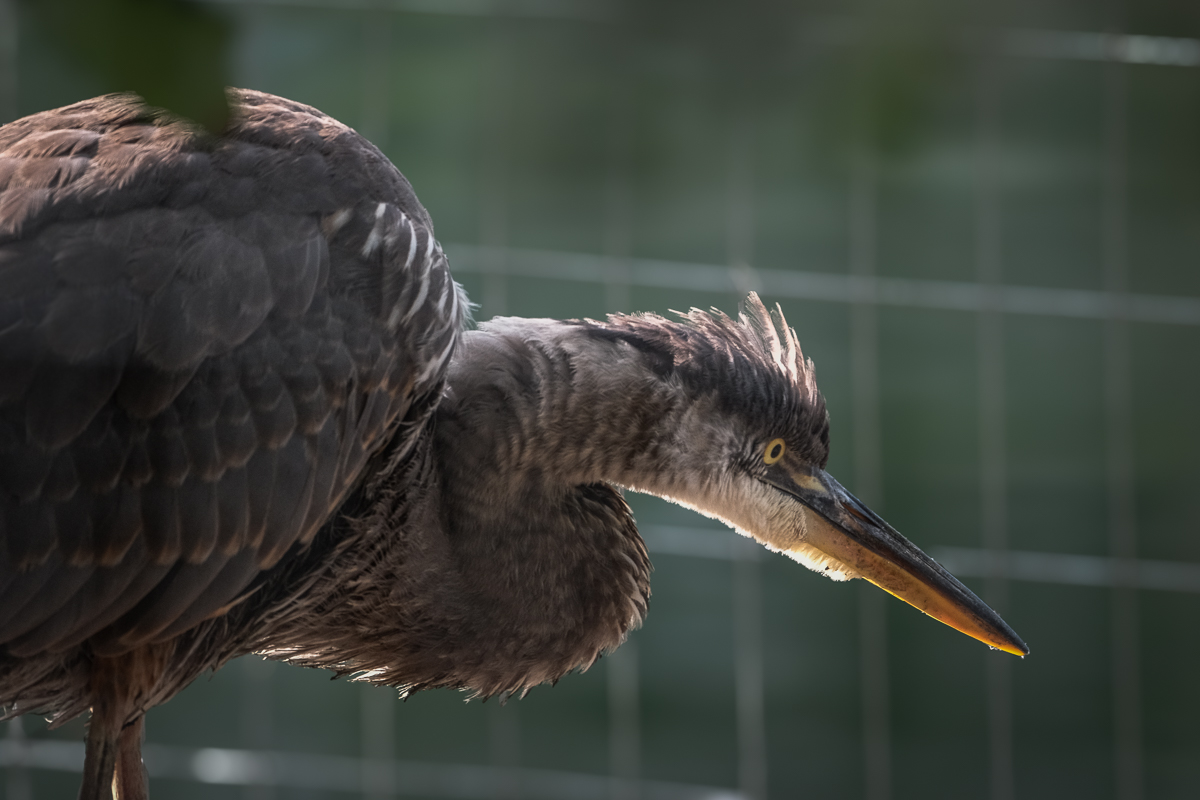
Along the shoreline of the lake we found a Fragile Forktail and an Orange Bluet, two species of native damselflies. The larvae of damselflies are aquatic creatures and it is common to find the adults perching and hunting near water areas. Continuing up the lakeside path, the group saw a Great Blue Heron, some Mallards with ducklings, and several Wood Ducks. Further along, three House Finches briefly flew down to the path. Before we left the lake area, we spotted a female Painted Turtle slowly excavating a nest in the soil by the path. Once her eggs are laid, she will cover the nest and return to the water. From that point on her parenting job is done. The baby turtles will hatch entirely on their own and claw their way to the surface, where they must quickly find their way to the safety of the water.

Walking along the Parade Ground, we admired an enormous century-old London Plane tree. Moving deeper into the woods past Vault Hill, the group spent some time in the planted meadow, where we were delighted to see an active Baltimore Oriole nest. Both parents were involved in bringing food to the hatchlings, which could just barely be seen above the rim of the woven nest. Other birds that breed here include the Tree Swallows that use the constructed nest boxes placed in the meadow for that purpose. Common Milkweed, Joe Pye weed, and Dogbane—all native plants—were showing their emerging buds that will soon be the flowers of summer and happily visited by a variety of pollinators.

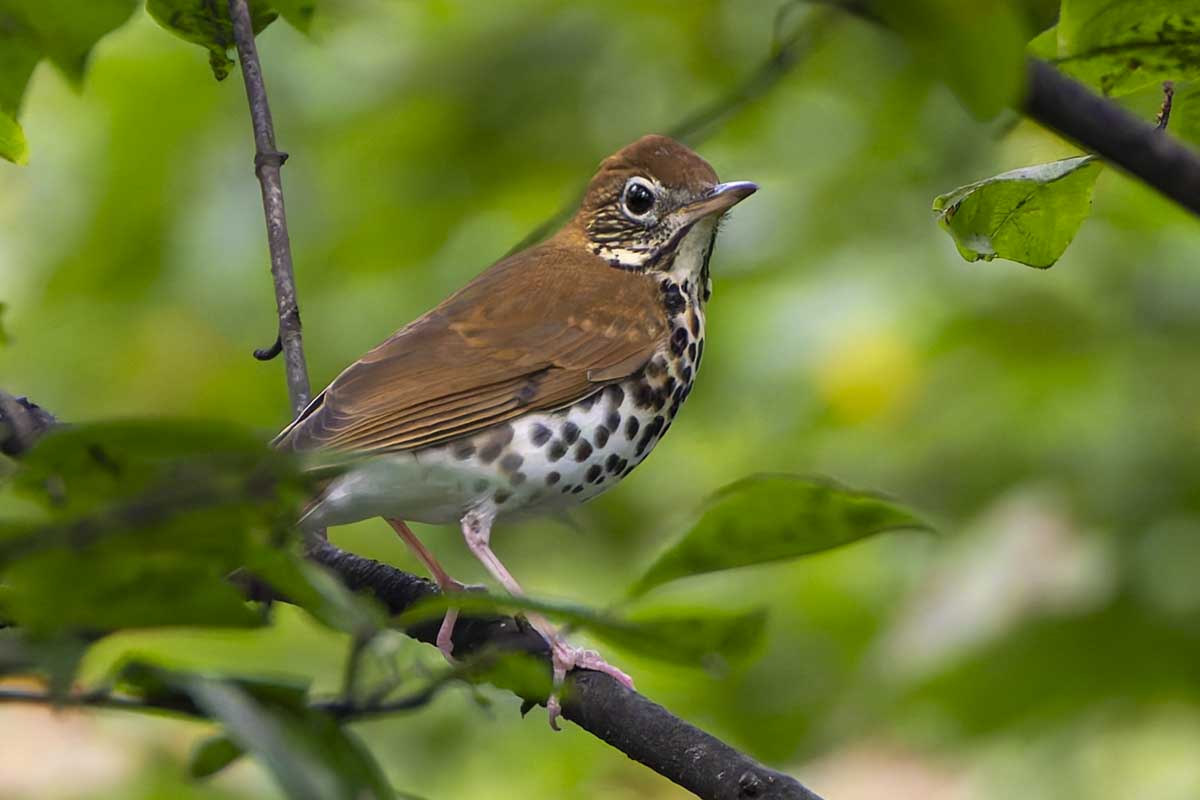
Farther along the wooded path that hosts a dense forest of Sassafras, we found an interesting species of fungus. Alarming in name as well as appearance, the ghostly white vertical growth of “Dead Man’s Fingers” reached up toward us, growing from a dark, rotted tree stump, and its surrounding soil. We stopped for a late lunch at Rockwood Circle, while a Wood Thrush serenaded us from the woodland. Down the path, a pair of Brown-headed Cowbirds appeared and made their way into the brush. Here, the canopy of tall, mature trees include oaks, hickories, and cottonwoods. Another highlight was a close-up view of an Orchard Orb Weaver spider on its web. Just inside the woodland, on a dead log, was a large yellow slug. It was identified as a Western Dusky Slug. It appeared to be (unsuccessfully) trying to hide in a large growth of mustard-colored,jelly fungus known as “Club-like Tuning Fork.” Thanks to the very wet spring we are having, dozens of tiny jelly fungi growths were emerging from this single log. 

Heading back towards Broadway, we passed a Praying Mantis egg case, a Meadow Spittlebug, and various woodland plants including blooming Fleabane and Silvery Cinquefoil.  Arriving back at the vast green Parade Ground, we saw an Osprey gliding across the gray sky above us, signaling the end of a very full day. A soggy but happy group headed home together on the subway, having explored a good part of the park’s 1,146 acres and seen hardly any other park visitors, thanks to the rain.

Species List

Birds

Canada Goose 
Wood Duck 
Mallard 
Rock Pigeon
Cuckoo sp
Chimney Swift
Double-crested Cormorant 
Great Blue Heron 
Osprey 
Cooper’s Hawk 
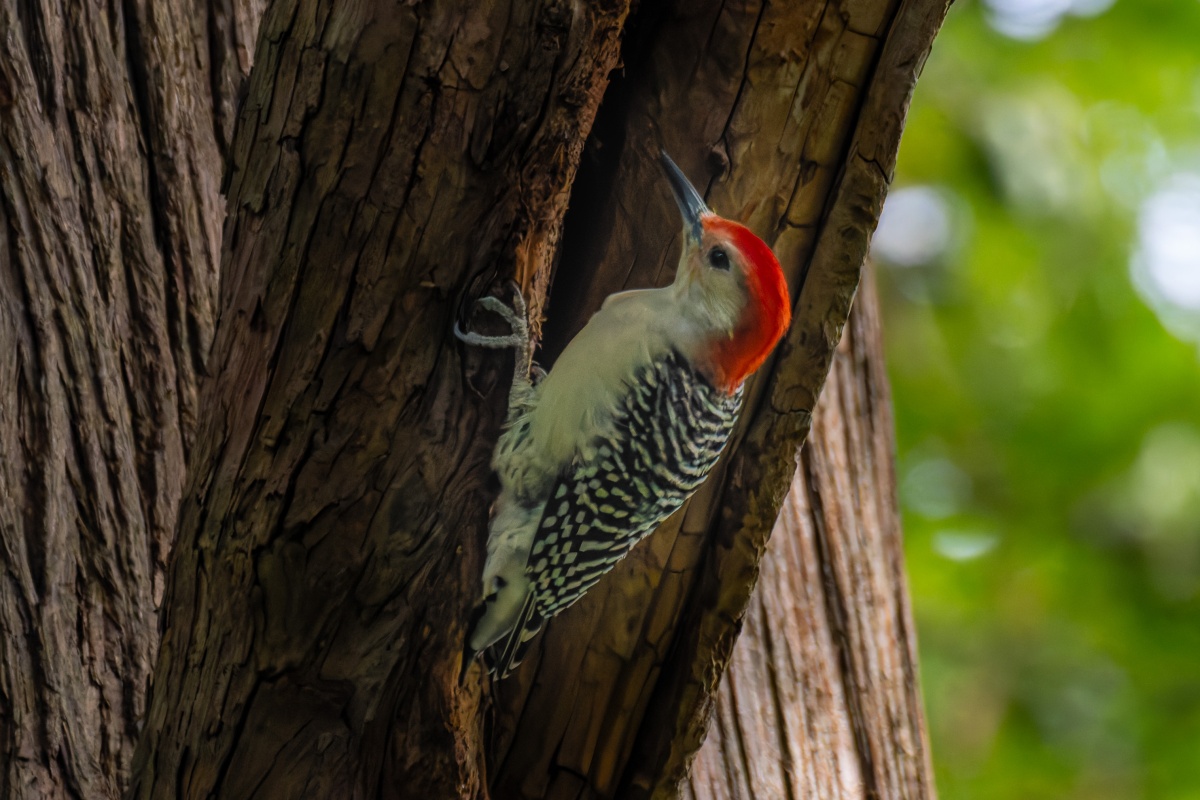
Red-bellied Woodpecker 
Northern Flicker 
Warbling Vireo 
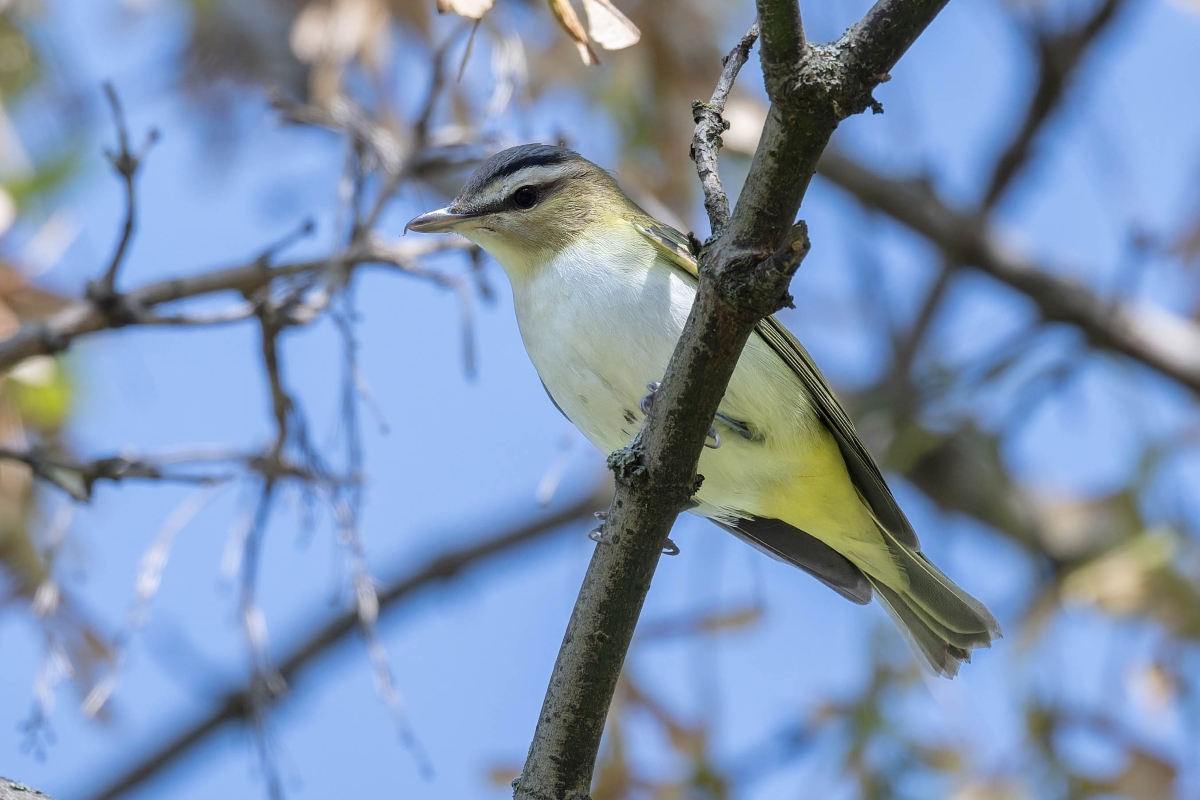
Red-eyed Vireo 
Blue Jay 
American Crow 
Tree Swallow 
Barn Swallow 
Carolina Wren 
European Starling 
Gray Catbird 
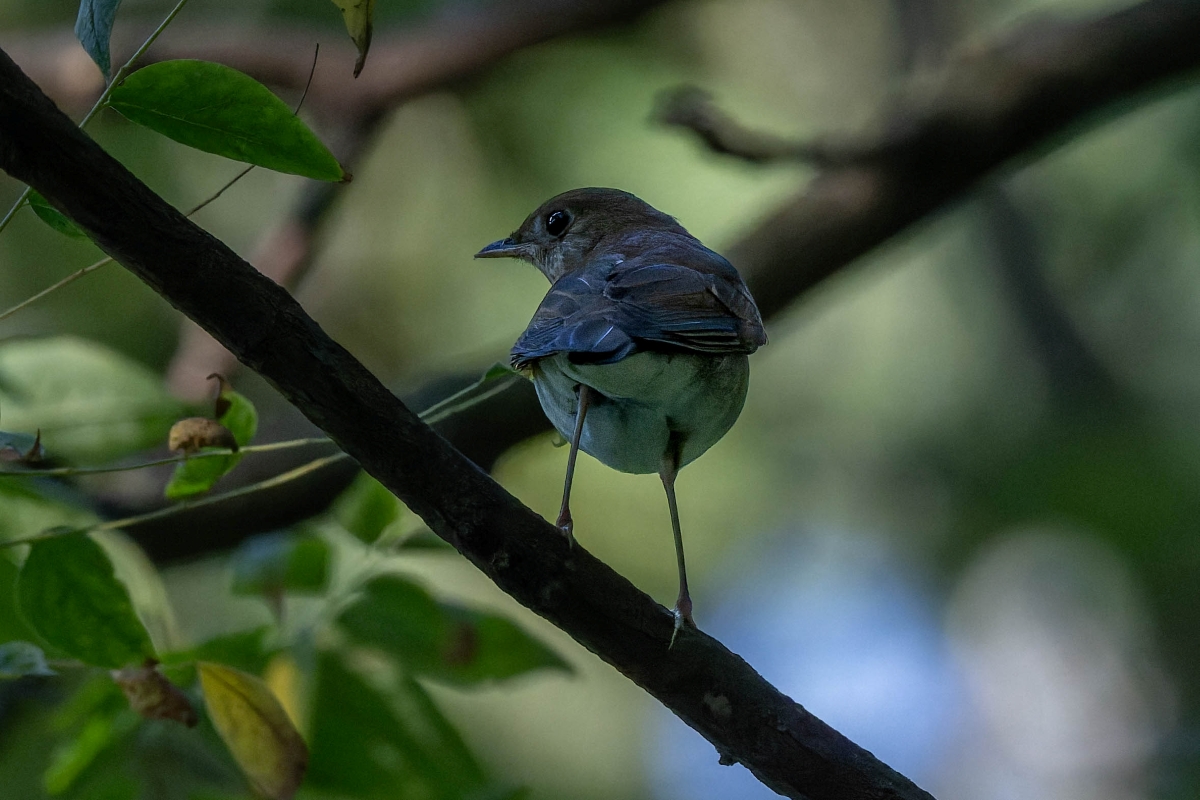
Wood Thrush 
American Robin 
Cedar Waxwing 
House Sparrow 
House Finch 
Song Sparrow 
Orchard Oriole 
Baltimore Oriole
Red-winged Blackbird 
Brown-headed Cowbird 
Common Grackle 
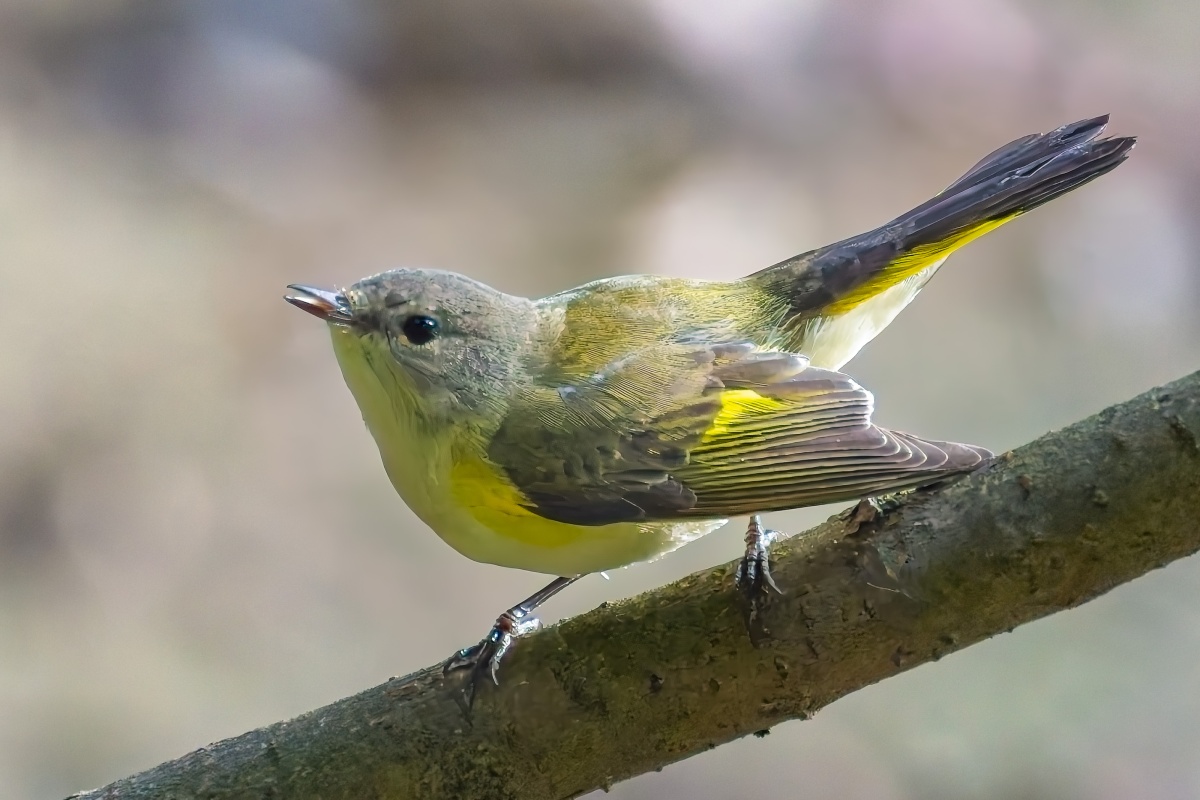
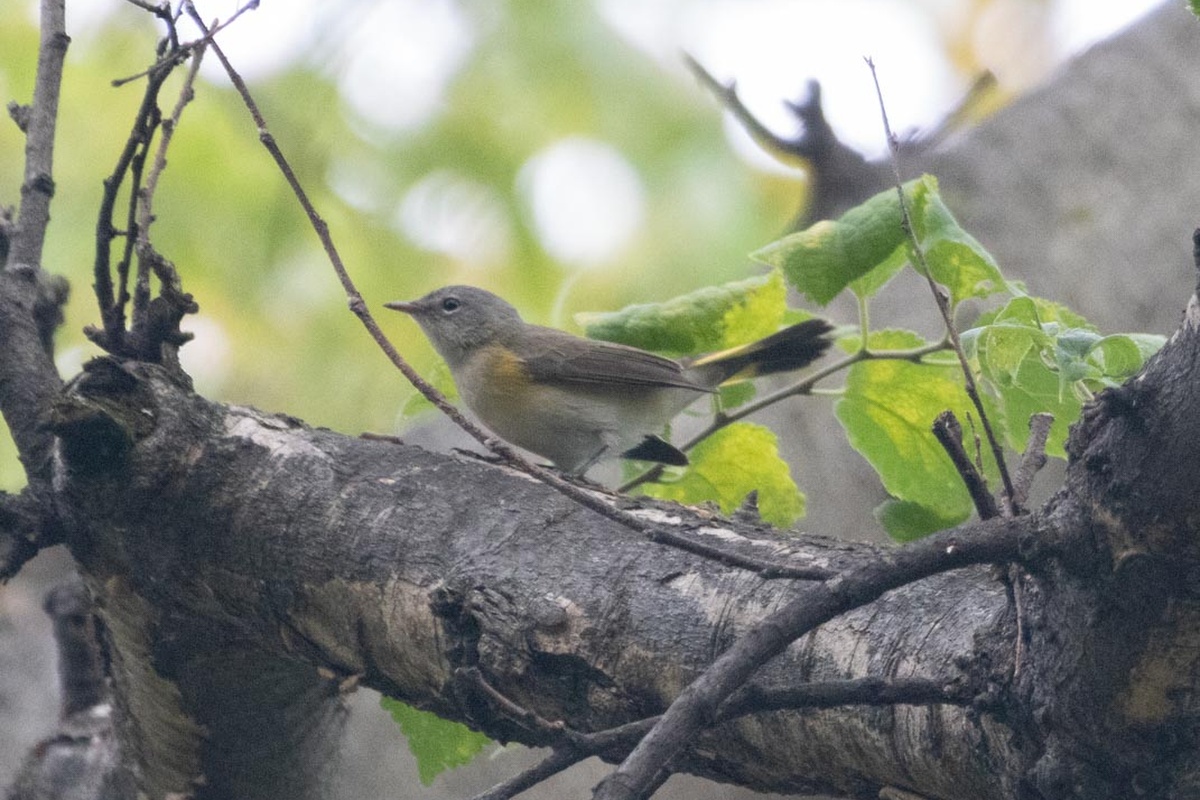
American Redstart

Butterflies and Moths

Banded Olethruetes Moth (Olethreutes fasciatana)
Common Bagworm Moth (Psyche casta)
Monarch Butterfly (Danaus plexippus)
Bess, Wasps, and AntsHoney Bee (Apis mellifera)

True Bugs

Meadow Spittlebug (Philaenus spumarius)
Dogwood Spittlebug (Clastoptera proteus)
Alder Spittlebug (Clastoptera obtusa)
Spotted Lantern Flies (Lycorma delicatula)
Plant Bug (Family Miridae)

Flies

Hover Fly (Family Syrphidae)
Banded Snipe Fly (Chrysopilius fasciatus)
Marsh Snipe Fly (Rhagio tringarius)
Green Bottle Fly (Lucilia sericata)
Crane Fly (Family Tipulidae)
Long-legged Fly (Family Dolichopodidae)

Beetles

Golden Tortoise Beetle (Charidotella sexpunctata)
Asian Lady Beetle (Harmonia axyridis)

Damselflies

Fragile Forktail (Ischnura posita)
Orange Bluet (Enallagma signatum)

Other Non-insect Invertebrates

Orchard Orb Weaver Spider (Leucauge venusta)
Eastern Harvestman aka “Daddy Long Legs” (Leiobunum vittatum)
Warty Harvestman aka “Daddy Long Legs” (Leiobunum verrucosum)
Jumping Bristletail (Family Machilidae)
Centipede (Class Chilopoda)
Green House Millipede (Oxidus gracilis)
Western Dusky Slug (Arion subfuscus)

Fungi

Club-like Tuning Fork (Calocera cornea)
Jelly Fungus (Dacryopinax elegans)

Other Species

Painted Turtle, female digging nest for eggs
Chipmunk
Eastern Gray Squirrel (some black-form individuals as well)

Great Swamp N.W.R. with Richard ZainEldeen, 6/2/2025

Registrar: Lisa Kroop
Participants: 9
Weather: 55°F–67°F; sunny and partly cloudy; breezy 9–12 mph
Bird Species: 55

It was a beautiful day with bright blue skies and the sun coming in and out from behind large cumulus clouds. Richard remarked that it felt like March, given how cool and breezy it was, but compared to last year—when it was so hot and humid that we had to cancel the trip—this weather was exceedingly welcome.

We spent the first part of the day at the Great Swamp, beginning at the meadows and the wooded trails near the Helen C. Fenske Visitor Center. While we watched the Purple Martins at their nesting gourds and swooping with the Tree Swallows and Barn Swallows overhead, a Red-shouldered Hawk flew by in the distance. After entering the woods, we saw the first of several active nests of the day, this one belonging to a Wood Thrush, its identity revealed by the mother peeking out over the edge.

We next made our way down Pleasant Plains Road, and from the bridge over the Great Brook (a tributary to the Passaic River), we saw an adult Bald Eagle perched on the top of a tall snag being harassed by a pair of Red-winged Blackbirds. Walking towards the Overlook, we saw several Blue-gray Gnatcatchers defending their nests, and at the Overlook we watched a nearby Eastern Kingbird. Walking back to the cars, we saw a Spotted Sandpiper in the Great Brook on top of a log.

We spent the second part of our trip at the Scherman Hoffman Wildlife Sanctuary, headquarters of New Jersey Audubon. Soon after we arrived we heard a Pileated Woodpecker calling, and we headed into the woods to look for it. We were unsuccessful at finding it, but we enjoyed the lushness of the forest, especially its understory of ferns and other plants. We made our way down to the Passaic River, now farther upstream from the Great Swamp and close to its headwaters. Louisiana Waterthrush nest along the river here, and we were hoping to find one. That didn’t happen, but the setting was beautiful and there other active bird nests and plenty of other birds to see and hear.

Many thanks to Richard for leading us on a wonderful walk.

Species List

Birds

Canada Goose
Mourning Dove
Chimney Swift
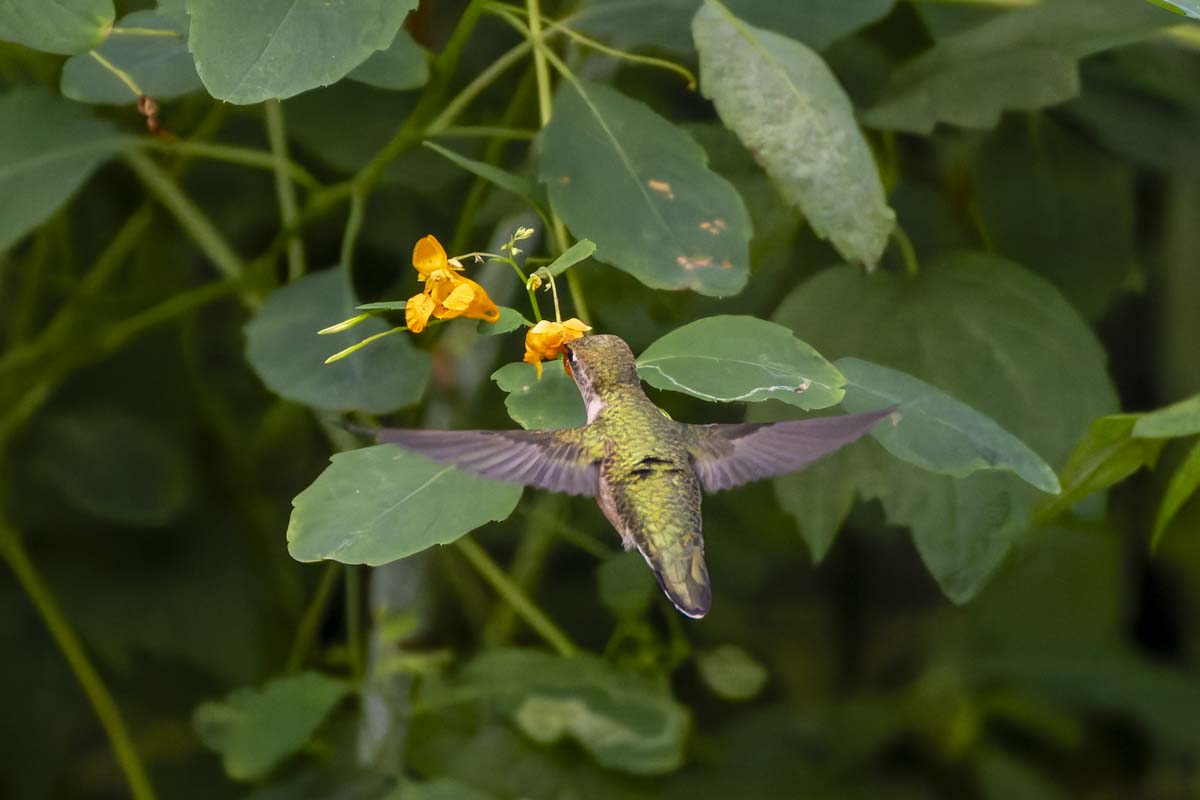
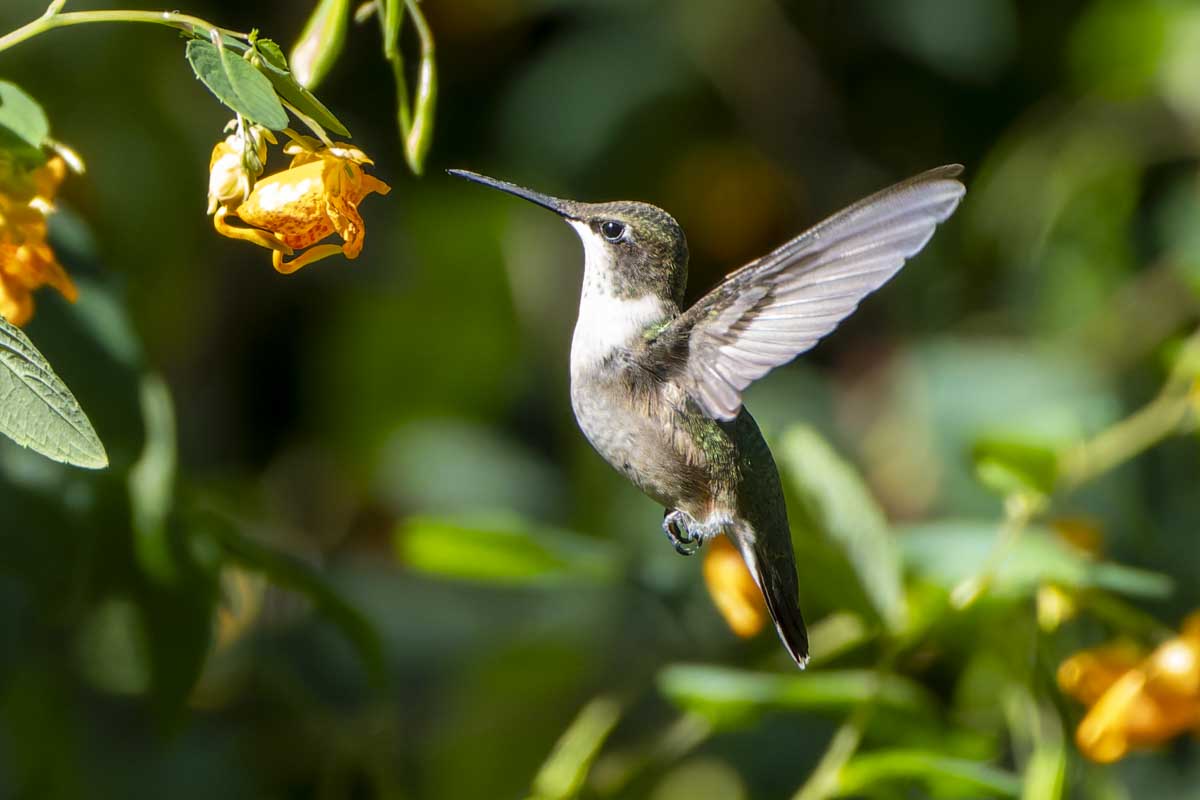
Ruby-throated Hummingbird
Spotted Sandpiper
Great Blue Heron
Turkey Vulture
Bald Eagle
Red-shouldered Hawk
Belted Kingfisher
Red-bellied Woodpecker
Hairy Woodpecker (h)
Pileated Woodpecker (h)
Northern Flicker
Eastern Wood-Pewee
Willow Flycatcher (h)
Eastern Phoebe
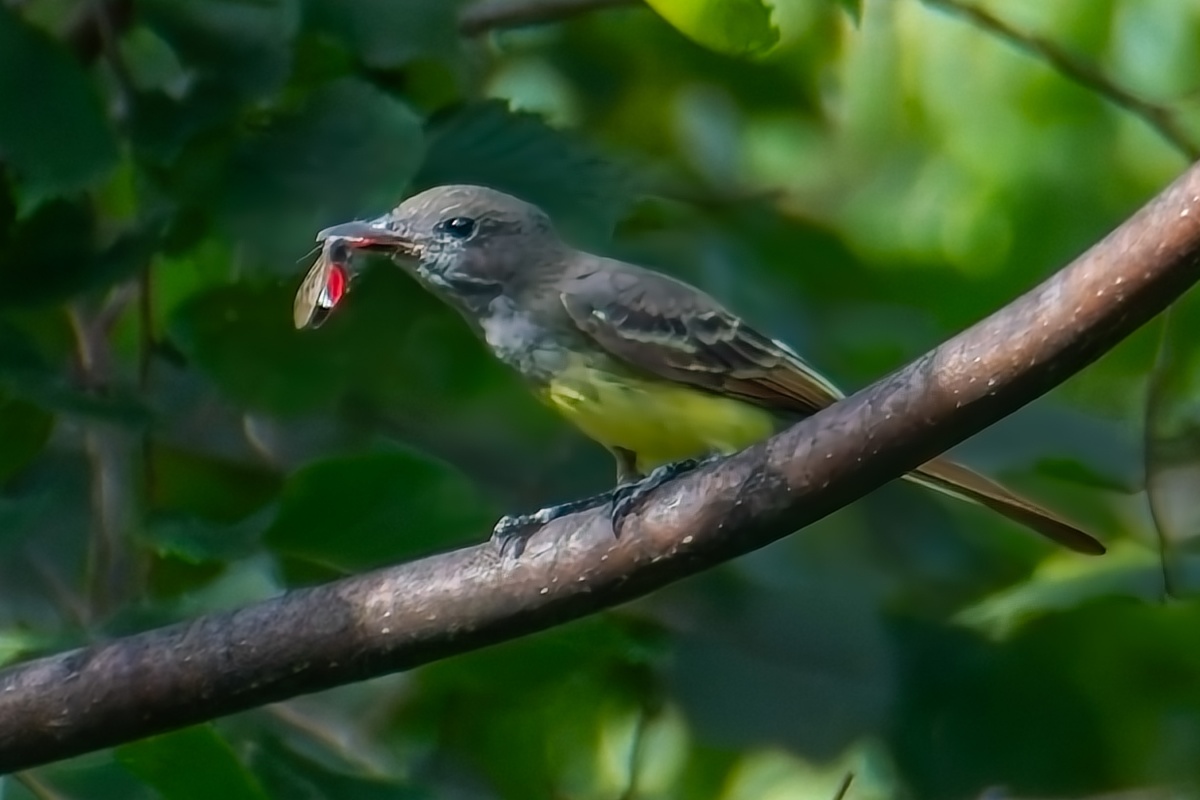
Great Crested Flycatcher
Eastern Kingbird
Yellow-throated Vireo (h)
Warbling Vireo (h)
Red-eyed Vireo (h)
Blue Jay
American Crow
Black-capped Chickadee
Tree Swallow
Purple Martin
Barn Swallow
White-breasted Nuthatch
Blue-gray Gnatcatcher
Northern House Wren
Gray Catbird
Northern Mockingbird
Eastern Bluebird
Veery
Wood Thrush
American Robin
Cedar Waxwing
House Finch
American Goldfinch
Chipping Sparrow
Field Sparrow
Song Sparrow
Swamp Sparrow
Eastern Towhee
Baltimore Oriole
Red-winged Blackbird
Brown-headed Cowbird
Common Grackle
Ovenbird (h)
Blue-winged Warbler
Common Yellowthroat (h)
American Redstart
Yellow Warbler
Indigo Bunting

Butterflies
Spring Azure
Skipper sp.

Herps
Snapping turtle

Mammals
Eastern Cottontail
Eastern Chipmunk
Eastern Gray Squirrel


Central Park Botany Walk with Regina Alvarez, 5/31/2025

Registrar:  Anne Lazarus
Participants:  15
Weather:  Cloudy early morning, then sunny, high 60 F.

May 31 was a perfect, sunny, mild day for a botany walk in the north end of Central Park. We met our wonderful leader, Regina Alvarez, who made sure we all had magnifying glasses. 

We began our day by examining leaf galls of the Washington Hawthorn tree. Plants defend themselves against invaders by isolating them in these galls. The eggs and  larvae develop in the galls, where they find nutrition and emerge at a later date as adults. Galls are specific for each tree. Adjacent to the Hawthorn tree were small plants in the buckwheat family. Buckwheats create a thin, leaf-like sheath around the stem, where the leaf blade attaches. Smartweed and Virginia Knotweed are in the buckwheat family. We examined the Smartweed without magnifying glasses.

We could have spent over an hour in this one spot because there was so much to see and examine. We were fascinated by the Bald Cypress. It is a conifer that sheds its leaves in the fall. This tree is monoecious, with both male and female flowers on the same tree. The female flowers are wind pollinated and develop into little cones, which we viewed in detail. This tree has “knee” projections from above the root. The reason for the knees might be related to oxygen access, but this is still being investigated. We learned that Bald Cypress trees growing in drier areas do not have “knees”—for example, the Bald Cypress of Strawberry Field does not have “knees”.

The small plants that spend their lives close to the soil also play their role. We examined the humble English and the American (native) plantains. The base of our native plantain is red, but the English Plantain’s is white. These plants are dicots, but the leaf veins are parallel, like those of a monocot. 

We then strained our necks to look up to the crown of the mighty Tulip tree. This tree loses its bottom branches as it grows taller and reaches for the sunlight. We learned that each plant species has its own strategy for survival and reproduction. Oaks are fine growing in the shade. An English Elm has been planted in the Loch, and has been placed in a cage for protection. 

A beautiful native birch is the River Birch. It can grow in difficult environments, and is a rugged tree with nutrients that attract a variety of birds. Many insect-eating birds also find nourishment in this tree. We examined many specimens of our native Sweet Bay Magnolia, Staghorn Sumac, Sassafras, and many other species. Ironwood trees create burls, a distorted outward growth on the trunk that forms from stress. The tree can survive well with a burl.

The London Plane tree is a hybrid of the American Sycamore and the Oriental Plane tree. It is infertile, but it can remove pollutants from the air.

We switched our attention to the tiny flowering plants that were floating in the Pool—Milfoil. It offers shade, fish cover, and habitat for invertebrates. Odonates are insect predators; they are attracted to the Pool. The tiniest plant that we saw was the Watermeal. It is rootless, but capable of spreading rapidly. The Duckweed keeps aggressive algae under control, and the shoreline plants also stop nutrients from feeding algae. Blue Flag Iris is a native shoreline plant at the Pool.

Many flowering shrubs captured our attention. We were happy to observe a native Azalea shrub. A sign of spring is the Trillium, which we saw in the Loch. It is a spring ephemeral, like violets. Jewelweed was starting to bloom in the Loch. Another favorite is the Columbine; leaf miners were tunneling their way through its leaf tissue, and will eventually emerge as adult insects. We took photos of the leaves and flowers. A valuable plant with fruit that nourishes many bird species is the Pokeweed. Burdock, another interesting plant, has a two-year reproduction cycle. This plant is the inspiration for velcro!

Ferns are an important part of the Pool’s ecology. They produce spores, not seeds. The sporangia seen on the back of the fern’s fronds, or on a separate frond, hold and release haploid spores (that is, spores with unpaired chromosomes in the cells) as part of fern’s complex reproductive process. A variety of fern species grow near the Pool: New York Fern, Ostrich Fern,  Royal Fern, and Christmas Fern are among them.

Central Park has both native and non-native plants. The native plants offer the nourishment needed by bees and birds; non-native plants like Mugwort do not attract bees and birds. Poison Ivy, a vine, is native and an important source of nutrients for our birds. It does not cover and choke the trees. Non-native Porcelain Berry does cover and harm the trees by choking them. It is in the grape family. Unfortunately, birds love the fruit and spread its seeds.

Lichen are not plants but, rather, associations between specific fungi and algae or cyanobacteria. The algae or cyanobacteria provide nutrients from photosynthesis for the fungi, and the fungi provide structure and protection. There are three common types of lichen: foliose, which we observed at close range, crustose, and fruticose. Lichen appear worldwide and are a source of food for caribou. 

Plant diversity can seem overwhelming. We learned so much during our outdoor classroom, and we look forward to returning to learn more.


Species List

Birds
Canada Goose
Mallard
Rock Pigeon (Feral Pigeon)
Mourning Dove
Great Egret
Black-crowned Night Heron
Black Vulture
Downy Woodpecker
Rough-winged Swallow
Least Flycatcher                                
Gray Catbird
Blue Jay
European Starling
House Sparrow
American Robin
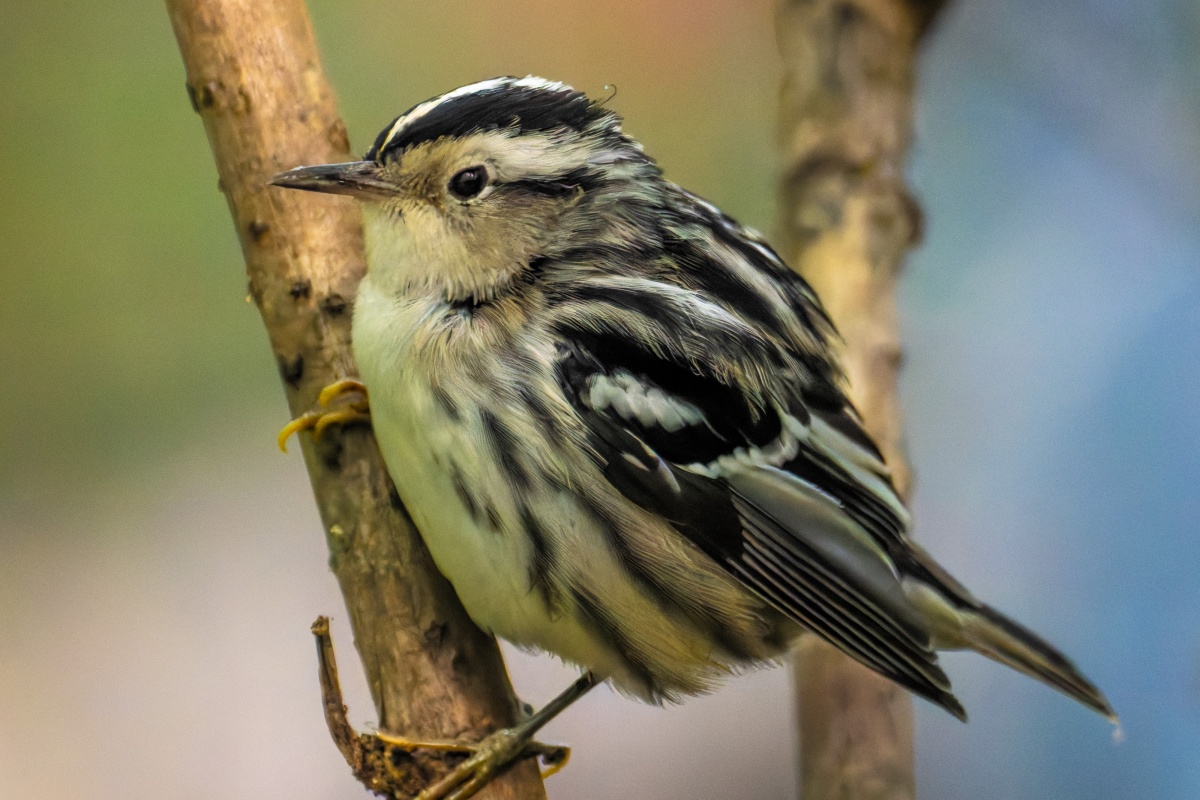
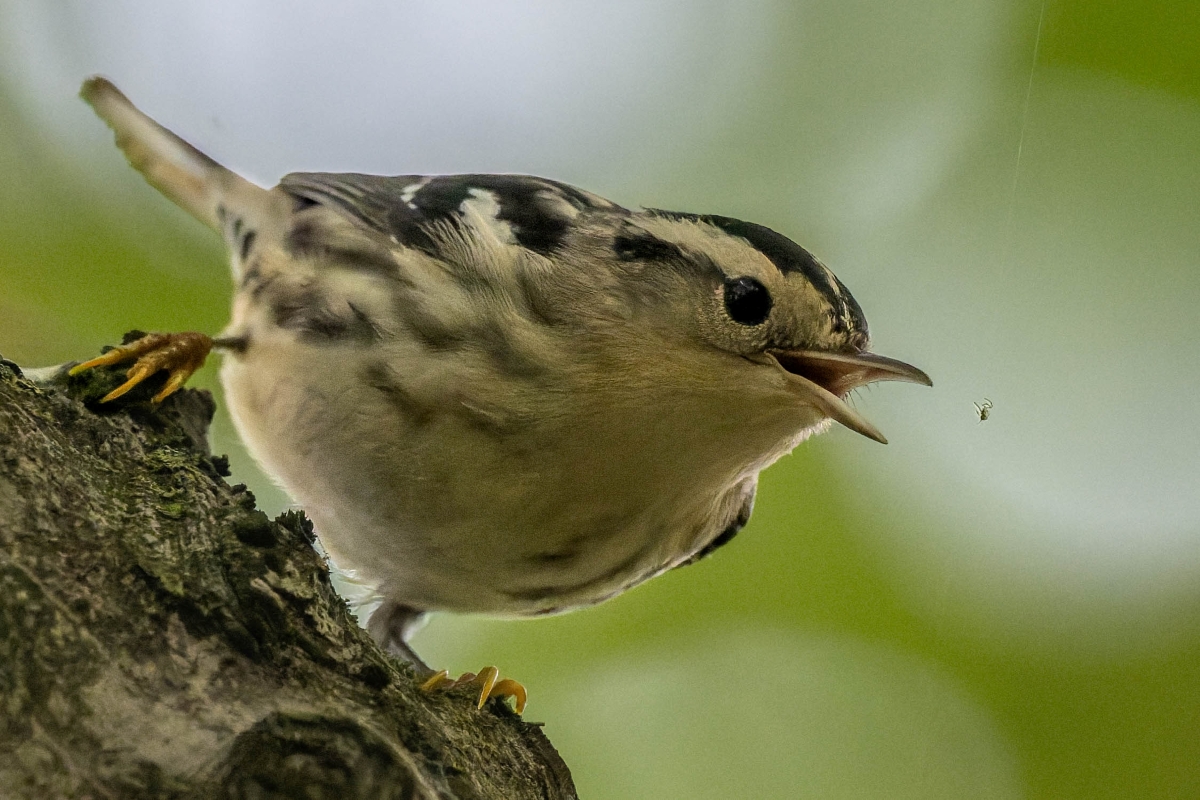
Black-and-white Warbler
Common Grackle

Trees 
American Sycamore 
Bald Cypress 
Black Cherry 
Black Locust 
English Elm, (sapling, non-native)
Hackberry 
Hickory Tree (sapling)
London Plane Tree ( hybrid of American Sycamore Tree and Oriental Plane Tree)
Sassafras 
Serviceberry
Staghorn Sumac
Sweetgum 
Sweetbay Magnolia 
Swamp White Oak 
Tulip Tree
Tupelo Tree
Washington Hawthorn Berry 

Bushes and Shrubs, Flowers
American Plantain (native)
Azalea, several native varieties (Flame and Pinxter)
Blue Flag Iris (native)
Blue Violet
Burdock (biennial)
Carolina Rose
Columbine
Common Reed (invasive)
Cone Flower
Duckweed (tiny flowering plant in water)
Japanese Knotweed (Buckwheat family, invasive )
Jewelweed
Mugwort ( tiny flowers, invasive )
Poison Ivy (Vine)
Pokeweed
Porcelain Berry (vine, invasive)
Smartweed (Buckwheat family)
Smooth Hydrangea
Spicebush
Swamp Rose
Sweet Pepper Bush
Trillium species (flower not showing ) 
Virginia Creeper (Vine)
Virginia Knotweed (Buckwheat family)
Virginia Sweet Spire
Watermeal (even tinier flowering plant in water – the tiniest plant we know)
Yellow Iris (invasive)
Yellow Violet
Yellow Wood Sorrel

Ferns
Christmas Fern
Maidenhair
Ostrich Fern
Royal Fern
Wood Fern

Fungus and Lichen
Crustose form of lichen on rock, very flat
Leafy Foliose (algae, cyanobacteria with a fungus symbiotic)
Taphrinna farlowii  (fungus on cherry leaves)
Tree Fungus (Brittle Cinder)

Herps
Snapping Turtle
Red-eared Slider

Mammals
Eastern Gray Squirrel

Insects
Elm leafminer (sawfly)
Hackberry star gall (psyllid)
Hackberry nipple gall (psyllid)
Hydrangea leafier moth (saw the leaf structure it makes)
Leafminer fly on Columbine
Rice root aphid gall
Witch hazel cone gall (aphid)

Butterfly
Question Mark


Central Park Spring Migration Walk with Alice Deutsch, Alan Drogin, and Kevin Sisco, 5/27/2025

Registrar: Catherine Ichord
Participants: 35
Weather: high 50s to mid 70s, partly cloudy, light breeze
Bird Species: 54

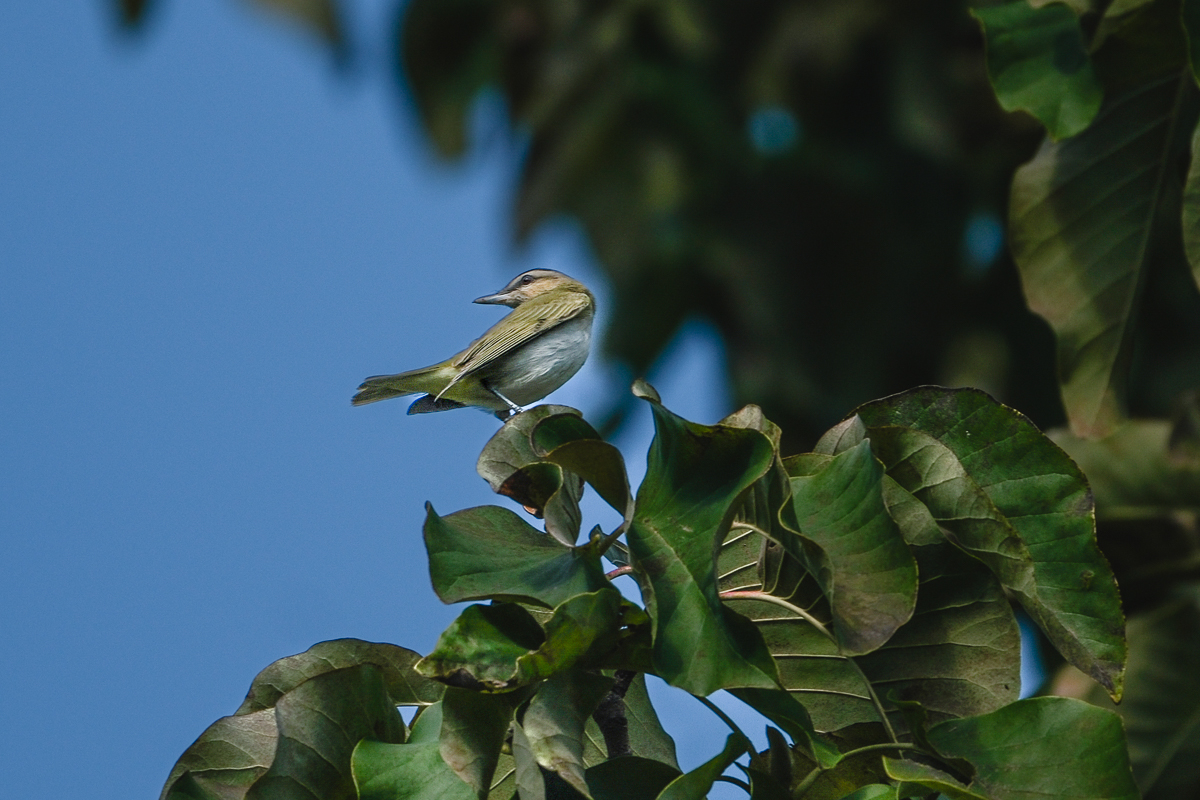
It was a beautiful day for the final walk in the Central Park spring migration series. Birders split into two groups and explored Strawberry Fields, the Ramble, and other nearby areas of the park. A combined total of 54 species were observed, including an Acadian Flycatcher and nine species of warblers.

Species List

Canada Goose
Gadwall
Mallard
Mallard x American Black Duck
Rock Pigeon (Feral Pigeon)
Mourning Dove
Chimney Swift
Ring-billed Gull
American Herring Gull
Great Black-backed Gull
Double-crested Cormorant
Black-crowned Night Heron
Great Egret
Osprey
Red-tailed Hawk
Red-bellied Woodpecker
Downy Woodpecker
Northern Flicker
American Kestrel
Eastern Wood-Pewee
Empidonax sp.
Acadian Flycatcher
Great Crested Flycatcher
Eastern Kingbird
Warbling Vireo
Red-eyed Vireo
Blue Jay
American Crow
Barn Swallow
Carolina Wren
European Starling
Gray Catbird
Northern Mockingbird
Gray-cheeked Thrush
Swainson’s Thrush
Wood Thrush
American Robin
Cedar Waxwing
House Sparrow
House Finch
American Goldfinch
White-throated Sparrow
Baltimore Oriole
Red-winged Blackbird
Brown-headed Cowbird
Common Grackle
Northern Waterthrush
Black-and-white Warbler
Common Yellowthroat
American Redstart
Magnolia Warbler
Yellow Warbler
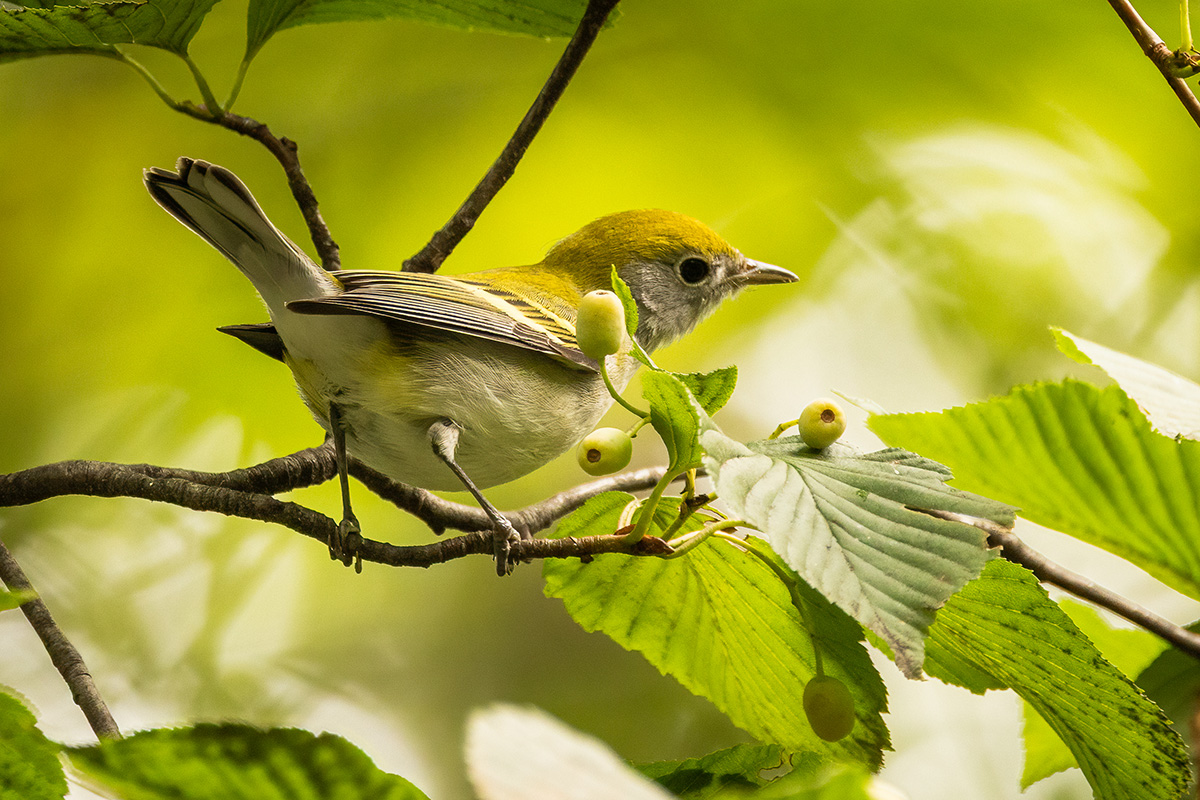
Chestnut-sided Warbler
Blackpoll Warbler
Canada Warbler
Northern Cardinal

Sterling Forest State Park with Tod Winston, 5/25/2025

Registrar: Lisa Kroop
Participants: 8
Weather: 51°F–57°F, clear with some clouds; 8 mph NW
Bird Species: 60

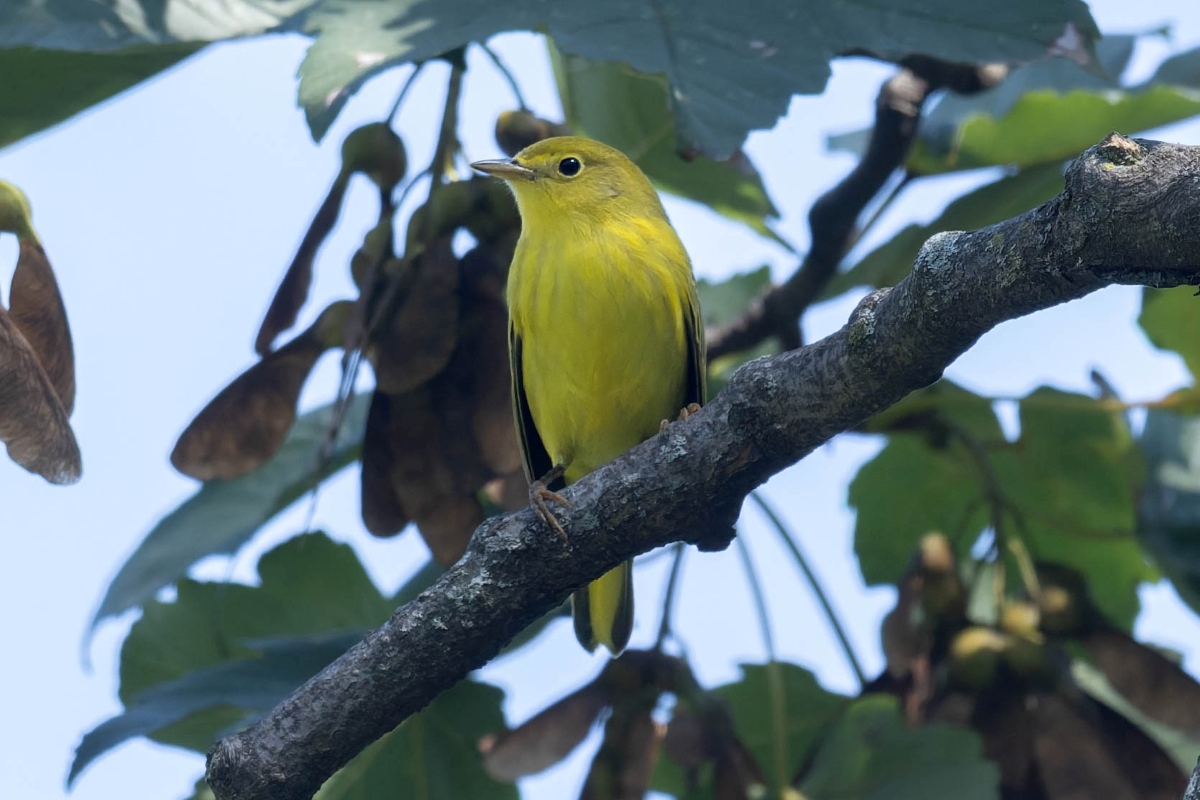
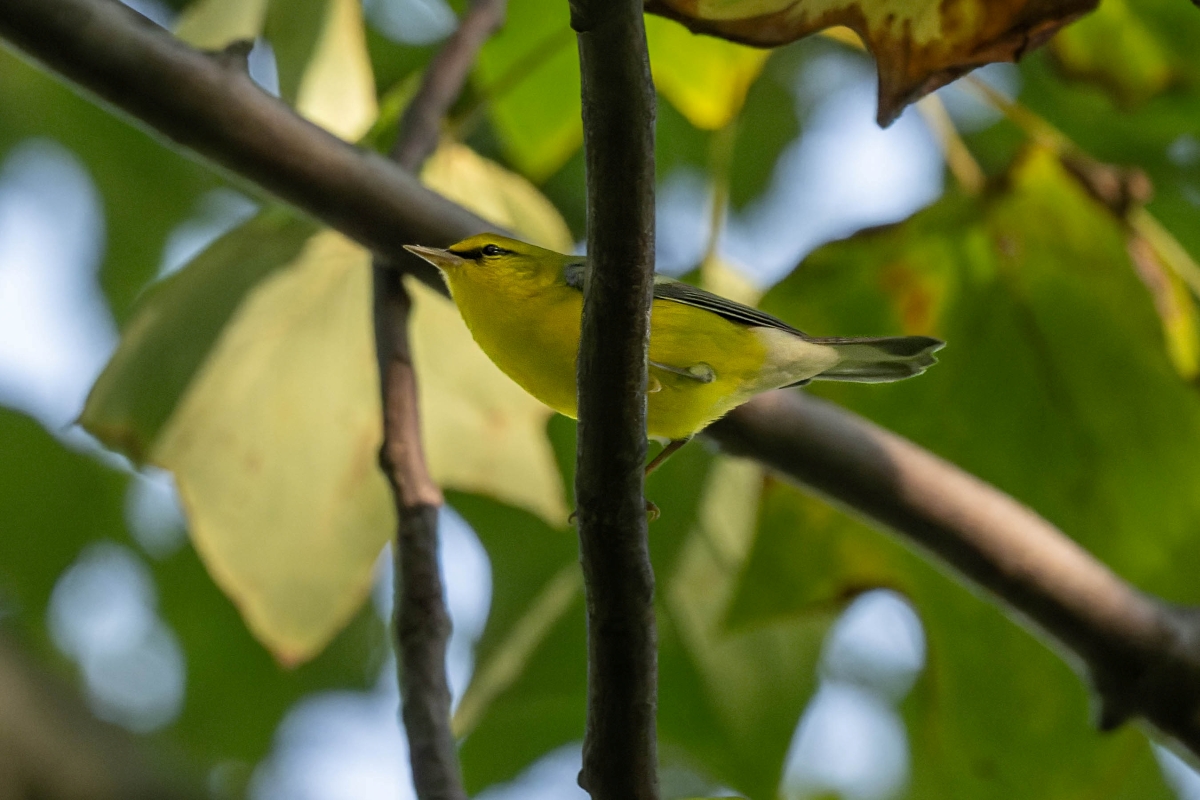
Birds were singing all around us as we gathered at the trailhead on the cul-de-sac of Ironwood Drive for our walk along the powerline in Sterling Forest State Park. The loudest was a Scarlet Tanager, and filling in between its songs were those of other birds, including Yellow Warbler, Common Yellowthroat, Ovenbird, Field Sparrow, Indigo Bunting, and a Blue-winged Warbler, with its buzzy trill.

We soon had our first sightings: a Blue-winged Warbler in the low shrubs; a Yellow Warbler, its bright plumage highlighted against the dense foliage of a nearby tree; an Indigo Bunting perched on a bare branch of a distant tree; and an Eastern Kingbird in the same vicinity as the bunting— sallying and displaying the white of its tail. 

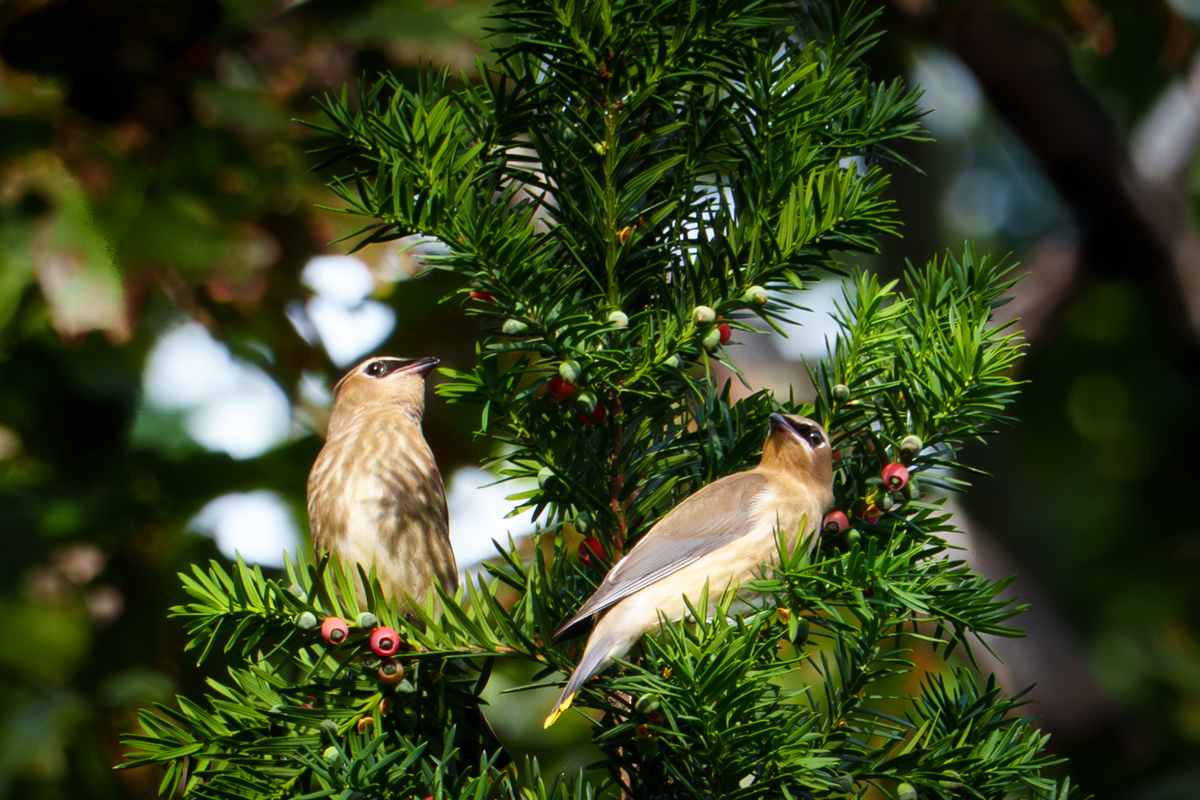
We proceeded to walk along the power line cut, starting in the southern section. Earlier, a few of us had seen a pair of Yellow-billed Cuckoos fly across the cut, and the group climbed the trail hoping to find them. We heard them calling as we walked, but didn’t manage to see them. We saw a flock of Cedar Waxwings flying overhead—the first of several flocks we spotted during the morning. Pausing at a high point, we observed a juvenile Red-shouldered Hawk flying in the distance, and a couple of participants saw a Common Nighthawk pass over and beyond the tree line. 

We turned around and headed toward the northern section of the power line, accompanied by the continuing tunes of Prairie Warblers and Field Sparrows, among many other birds. Despite hearing their songs, it took a while before we were actually able to see any of them, but we eventually did, and with very good views. Tod picked up the song of a Louisiana Waterthrush and we pursued it along a side trail that veered into the woods. We didn’t find the waterthrush, but we heard a Worm-eating Warbler and found it at eye-level in a tree, and saw an Ovenbird close to us on the opposite side of the path.

Returning to the rocky power cut trail, we met a man who excitedly told us that he had just seen a bobcat, and showed us a beautiful photo. As we continued up the trail, we heard two Scarlet Tanagers singing back and forth, one high in a dead tree and the second much closer to us, perched in a low tree—we could see and hear both of them from the spot where we had paused along the trail.
 
We met some other birders, who told us about an active Prairie Warbler nest. It took a bit to find it, but when we did, we also saw the protective mother in a tree nearby. Not surprisingly, we didn’t spot the bobcat.

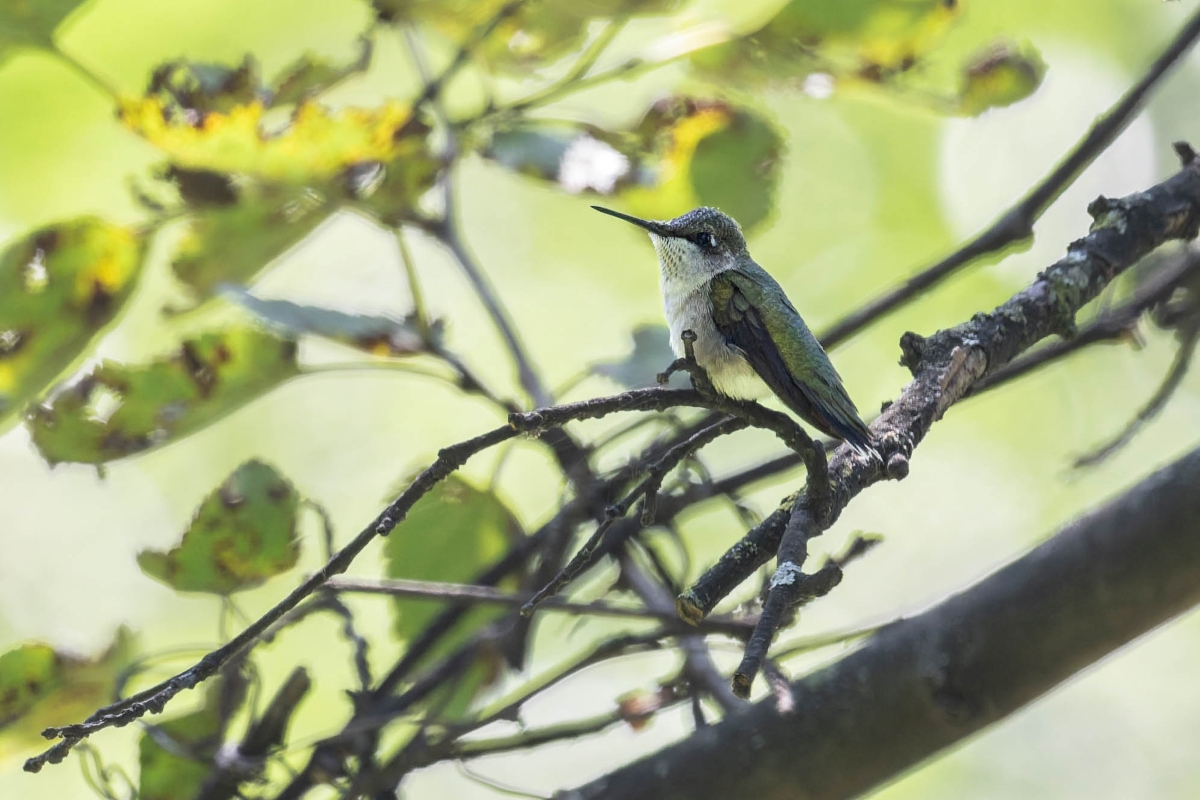
After we turned around and headed back down the trail, a Pileated Woodpecker flew across the power cut in front of us, a Broad-winged Hawk flew across the cut behind us, and we observed a Ruby-throated Hummingbird perched on a bare branch ahead of us—one of two hummingbirds of the day. Near the bottom of the trail we heard another Worm-eating Warbler and spotted it perched on top of a horizontal branch, to the delight of all.

Cerulean Warbler and Hooded Warbler were the final highlights. As we passed through the patch of woods on our way back to the cars, some of the group heard a Cerulean and caught a glimpse of it as it was chased out of the nesting territory of a pair of American Redstarts, a ruckus which we all saw and marveled at. Hearing the Hooded Warbler from our cars as we drove away on Ironwood Drive, we stopped and walked down the trail to track it down. Persistence paid off, with a measure of good luck, and all were able to get their eyes on the bird.

While this power cut location is known for Golden-winged Warblers, the species hasn’t been reported this year, and we did not come upon one, or any of its hybrids. Instead we focused on all the other birds, saw and heard many, enjoyed the cool weather, the good company, and a fantastic leader. Many thanks Tod!

Species List

Canada Goose
Wood Duck
Mallard
Mourning Dove
Yellow-billed Cuckoo
Ruby-thorated Hummingbird
Double-crested Cormorant
Great Blue Heron
Turkey Vulture
Broad-winged Hawk
Red-shouldered Hawk
Red-tailed Hawk
Red-bellied Woodpecker
Pileated Woodpecker
Eastern Wood-Pewee
Eastern Phoebe
Great Crested Flycatcher
Eastern Kingbird
Yellow-throated Vireo (h)
Warbling Vireo (h)
Red-eyed Vireo
Blue Jay
American Crow
corvid sp.
Black-capped Chickadee
Tufted Titmouse
Tree Swallow
Barn Swallow
White-breasted Nuthatch
Blue-gray Gnatcatcher
Northern House Wren
Carolina Wren
Gray Catbird
American Robin
Cedar Waxwing
American Goldfinch
Chipping Sparrow
Field Sparrow
Eastern Towhee
Baltimore Oriole
Red-winged Blackbird
Brown-headed Cowbird
Common Grackle
Ovenbird
Worm-eating Warbler
Louisiana Waterthrush (h)
Blue-winged Warbler
Black-and-white Warbler
Common Yellowthroat
Hooded Warbler
American Redstart
Cerulean Warbler
Magnolia Warbler
Yellow Warbler
Chestnut-sided Warbler
Pine Warbler
Prairie Warbler
Scarlet Tanager
Northern Cardinal
Rose-breasted Grosbeak (h)
Indigo Bunting

Shawangunk Grasslands NWR and Wallkill Marsh with Tod Winston, 5/24/2025

Registrar: Christina Black
Weather: Cloudy and cold with a few showers, temperature in high 50s
Participants: 15
Bird Species: 66

Tod Winston led us on a lovely day of birding in several locations, with some of our warm coats coming off as the day progressed. The report here is provided by Tod:


Our day of birding started rather coolly at the Shawangunk Grasslands, but thanks to a warning from Christina, we had come well prepared. And, mercifully, the unseasonably crisp weather did not deter the birds! We quickly found the principal targets of the trip, including singing and displaying male Bobolinks, singing Eastern Meadowlark, and cooperative nesting Eastern Bluebirds. The small and reedy-voiced Grasshopper Sparrow proved a bit scarcer this year… but after a bit of a stake-out, sharp eyes spotted a perched and singing bird in the distance. As we made our way down the trail to check the wooded border of the grasslands, we watched Barn Swallows and Purple Martins swoop over the fields, found an American Kestrel pair perched together in the distance, and heard Field Sparrow and Blue-winged Warbler singing faintly from the opposite side. A second Grasshopper Sparrow granted us a good view, energetic Bobolinks were plentiful, and we got looks at singing Willow Flycatcher, Song Sparrow, Yellow Warbler, Common Yellowthroat, and both male and female Red-winged Blackbird.

A saunter up the refuge’s driveway allowed closer inspection of the refuge’s Purple Martin colony, and also provided views of several Eastern Kingbirds, Tree Swallows, and more Willow Flycatchers. (Alas, no Alder Flycatcher was heard this year.) The pond and woodlands then supplied a slightly different set of birds, including White-breasted Nuthatch, Cedar Waxwing, American Redstart, Ovenbird, and a still elusive but more audible Blue-winged Warbler. Singing House Wren and Eastern Wood-Pewee also made cooperative cameos, and the high, ringing echo of a Blackpoll Warbler reminded us all of the passage of spring migration.

After a relaxed lunch in the gazebo, we headed off through the neighboring Blue Chip Farms property. This area did not prove as productive as it has in past years, but we did add a few more species to our day list, such as Cooper’s Hawk, Chipping Sparrow, and Warbling Vireo. Savannah Sparrows, however, were not to be heard.
 
Liberty Loop in Wallkill Marsh, our final destination of the day, has been in recent years a reliable spot for nesting Sandhill Crane and Common Gallinule. Despite much scanning and listening, however, we did not detect either of these species–but were ultimately rewarded with a number of other interesting wetland and scrub birds. From the parking lot, we spotted one Bank Swallow swooping over the marsh and heard the gurgling song of the Marsh Wren; and then, while waiting out a sudden rain shower down the street, we glimpsed a Great Blue Heron. Happily, the rain then abated, permitting us a lovely walk in the dappled shade along the refuge’s stream. Several Wood Ducks flew by, as did a Belted Kingfisher and two Green Herons. A Swamp Sparrow sang its wobbly trill, and a very skulky but ultimately cooperative singing young male Orchard Oriole provided a hard-fought thrill. His chattery song gave us  a useful comparison to several Baltimore Orioles in the vicinity. We also again heard a sharp “ping ping ping” call, which we had earlier concluded was the sound of one or more Spotted Sandpipers, seen near the parking lot. As noted by one astute longtime birder in the group, however, we had not actually seen any Spotted Sandpipers. This time, however, the “ping ping ping” very clearly issued from the open beak of that multi-voiced scoundrel, the Red-winged Blackbird! (Birds always have something new to teach you. It keeps things exciting ;-).)  We then heard the “wheep!” of a Great-crested Flycatcher and the distant “chebek” of a Least Flycatcher, and finished off our day with a group of excitedly singing and chipping male and female Indigo Buntings.

All in all, we ID’d 66 species on the trip. You can view that complete list below (in addition to three trip checklists in the eBird Trip Report).

Species List

Canada Goose
Wood Duck
Mallard
Rock Pigeon (Feral Pigeon)
Mourning Dove
Chimney Swift
Killdeer
Green Heron
Great Blue Heron
Black Vulture
Turkey Vulture
Cooper’s Hawk
Red-tailed Hawk
Belted Kingfisher
Red-bellied Woodpecker
Northern Flicker
American Kestrel
Eastern Wood-Pewee
Willow Flycatcher
Least Flycatcher
Great Crested Flycatcher
Eastern Kingbird
Warbling Vireo
Red-eyed Vireo
Blue Jay
American Crow
Common Raven
Tufted Titmouse
Bank Swallow
Tree Swallow
Purple Martin
Northern Rough-winged Swallow
Barn Swallow
White-breasted Nuthatch
Northern House Wren
Marsh Wren
Carolina Wren
European Starling
Gray Catbird
Northern Mockingbird
Eastern Bluebird
American Robin
Cedar Waxwing
House Finch
American Goldfinch
Grasshopper Sparrow
Chipping Sparrow
Field Sparrow
Song Sparrow
Swamp Sparrow
Eastern Towhee
Bobolink
Eastern Meadowlark
Orchard Oriole
Baltimore Oriole
Red-winged Blackbird
Brown-headed Cowbird
Common Grackle
Ovenbird
Blue-winged Warbler
Common Yellowthroat
American Redstart
Yellow Warbler
Blackpoll Warbler
Northern Cardinal
Indigo Bunting
Central Park Spring Migration Walk with Richard Davis, Alan Drogin, Alice Deutsch, and Kevin Sisco, 5/20/2025
Registrar: Steve Holleran
Participants: 41
Weather: Cool and partly sunny
Bird Species: 68

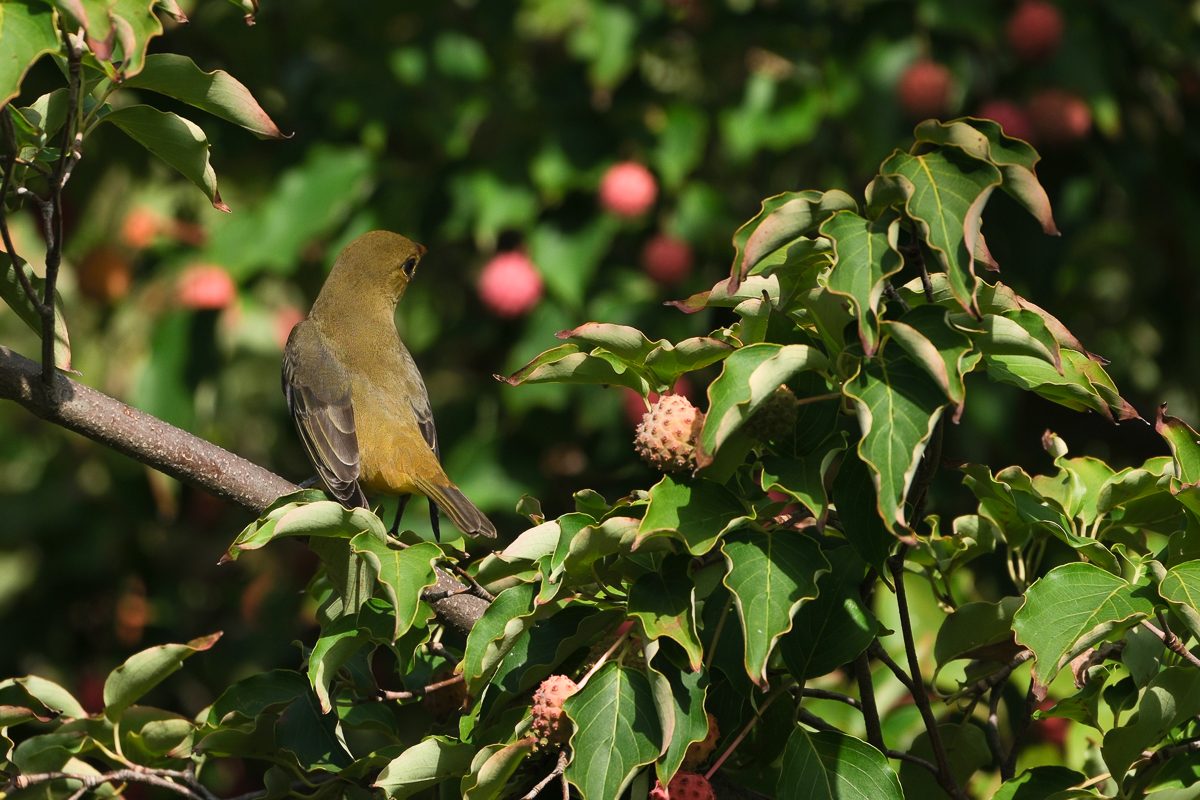
Forty-one birders set out in three groups to explore the Ramble, Turtle Pond, and Reservoir areas of the park, with a combined total of 68 species observed. Notable sightings included a Bald Eagle, Osprey, and Bicknell’s Thrush, as well as 18 species of warblers!

A couple of our more unusual observations involved non-avian players. The first case was a small flying squirrel that was under attack by a group of jays. Twice we saw it knocked down out of a tree, both times gliding down to the base of another tree, where it climbed back up. We didn’t see the end of the drama, but we think it may have escaped unharmed.
A short while later we came upon a tiny bat lying motionless on the pavement. When gently roused it flew up among us and attached itself to a nearby tree.

Species List

Birds
Canada Goose
Gadwall
Mallard 
Rock Pigeon (Feral Pigeon)
Mourning Dove
Chimney Swift
Spotted Sandpiper
Ring-billed Gull
American Herring Gull
Great Black-backed Gull
Double-crested Cormorant
Black-crowned Night Heron
Turkey Vulture
Osprey
Bald Eagle
Red-tailed Hawk
Red-bellied Woodpecker
Downy Woodpecker
Northern Flicker
Eastern Wood-Pewee
Great Crested Flycatcher
Eastern Kingbird
Warbling Vireo
Red-eyed Vireo
Blue Jay
American Crow
Northern Rough-winged Swallow
Barn Swallow
Northern House Wren
European Starling
Gray Catbird
Northern Mockingbird
Veery
Gray-cheeked Thrush
Bicknell’s Thrush
Swainson’s Thrush
Wood Thrush
American Robin
Cedar Waxwing
House Sparrow
House Finch
American Goldfinch
White-throated Sparrow
Song Sparrow
Swamp Sparrow
Baltimore Oriole
Red-winged Blackbird
Common Grackle
Ovenbird
Northern Waterthrush
Black-and-white Warbler
Tennessee Warbler
Common Yellowthroat
American Redstart
Cape May Warbler
Northern Parula
Magnolia Warbler
Bay-breasted Warbler
Blackburnian Warbler
Yellow Warbler
Chestnut-sided Warbler
Blackpoll Warbler
Yellow-rumped Warbler
Black-throated Blue Warbler
Canada Warbler
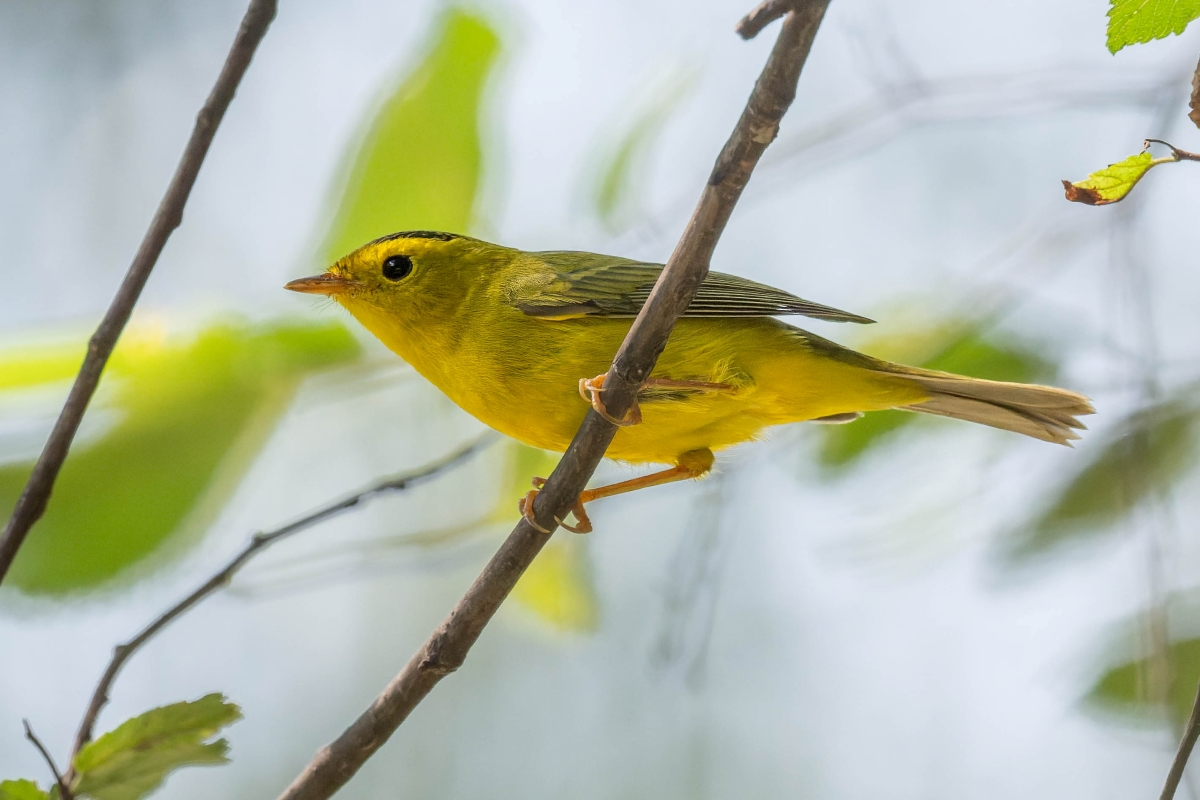
Wilson’s Warbler
Northern Cardinal
Rose-breasted Grosbeak

Mammals
Hoary Bat
Flying Squirrel

Central Park Spring Migration Walk with Ken Chaya, Alan Drogin and Kevin Sisco, 5/13/2025

Registrar: Sarah Dahl
Participants: 54
Weather: Cloudy and low 60s at the start
Bird Species: 53

A cloudy morning greeted an energetic group of 53 birders.  The skies threatened rain that held off, but the day remained cloudy.  Things started slowly but eventually picked up a bit as the morning went on.  It was a lovely spring day to be in the park nonetheless.

Species List

Canada Goose
Mallard
Rock Pigeon (Feral Pigeon)
Mourning Dove
Chimney Swift
Ring-billed Gull 
American Herring Gull 
Great Black-backed Gull 
Double-crested Cormorant  
Great Egret  
Red-tailed Hawk
Yellow-bellied Sapsucker
Red-bellied Woodpecker  
Downy Woodpecker  
Northern Flicker  
Eastern Wood-Pewee  
Great Crested Flycatcher  
Eastern Kingbird
Blue-headed Vireo 
Warbling Vireo  
Red-eyed Vireo  
Blue Jay  
American Crow  
European Starling  
Gray Catbird 
Veery 
Swainson’s Thrush 
Wood Thrush  
American Robin  
House Sparrow  
House Finch  
American Goldfinch  
White-throated Sparrow  
Baltimore Oriole  
Red-winged Blackbird  
Common Grackle  
Ovenbird  
Northern Waterthrush  
Black-and-white Warbler  
Nashville Warbler  
Common Yellowthroat  
American Redstart  
Northern Parula  
Magnolia Warbler
Bay-breasted Warbler  
Blackpoll Warbler   
Black-throated Blue Warbler  
Yellow-rumped Warbler
Black-throated Green Warbler
Canada Warbler (Heard only)
Scarlet Tanager  
Northern Cardinal