Now Streaming: Full Circle—The Great Gull Island Project, 50 Years of Conservation

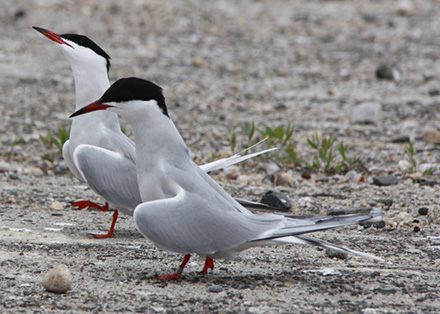
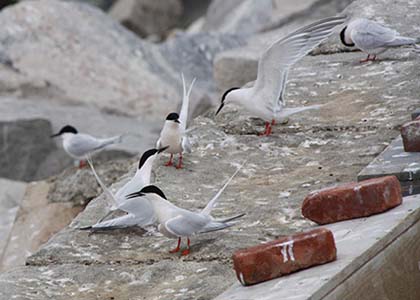
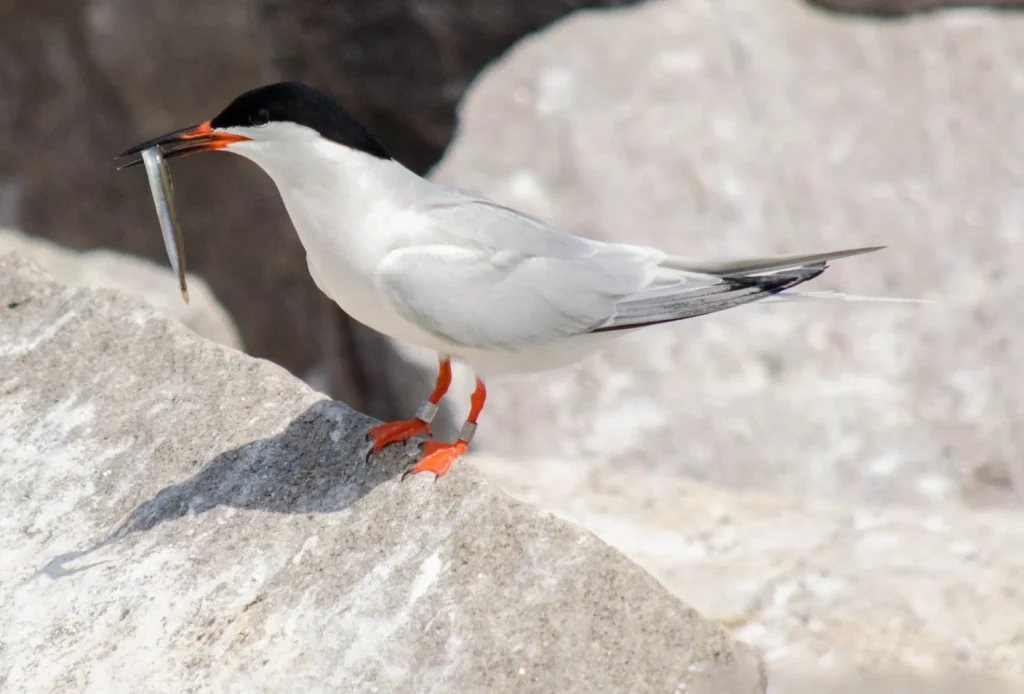
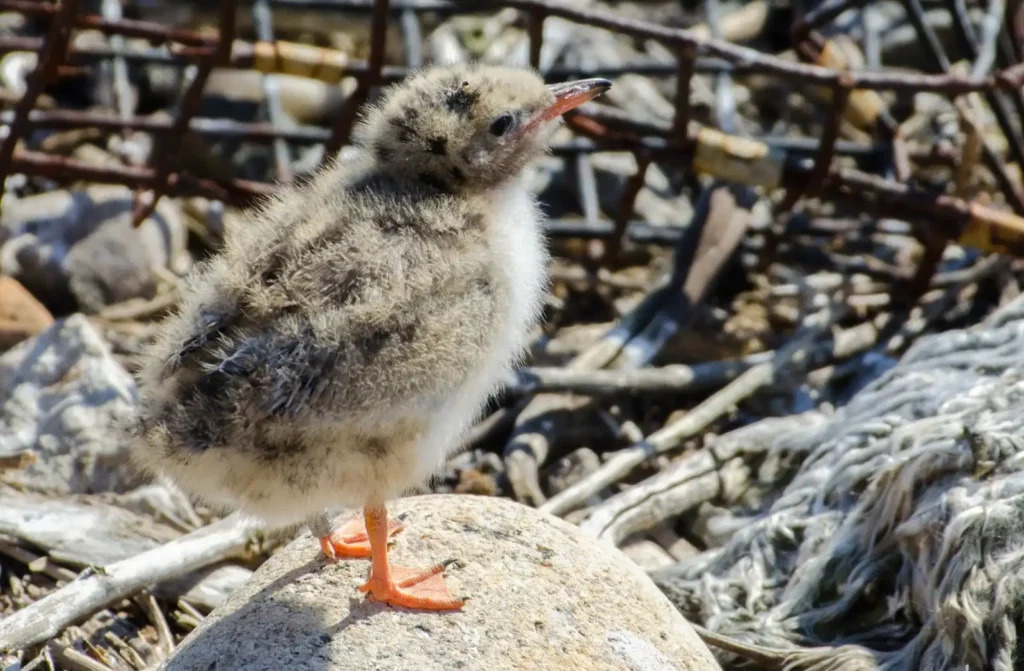
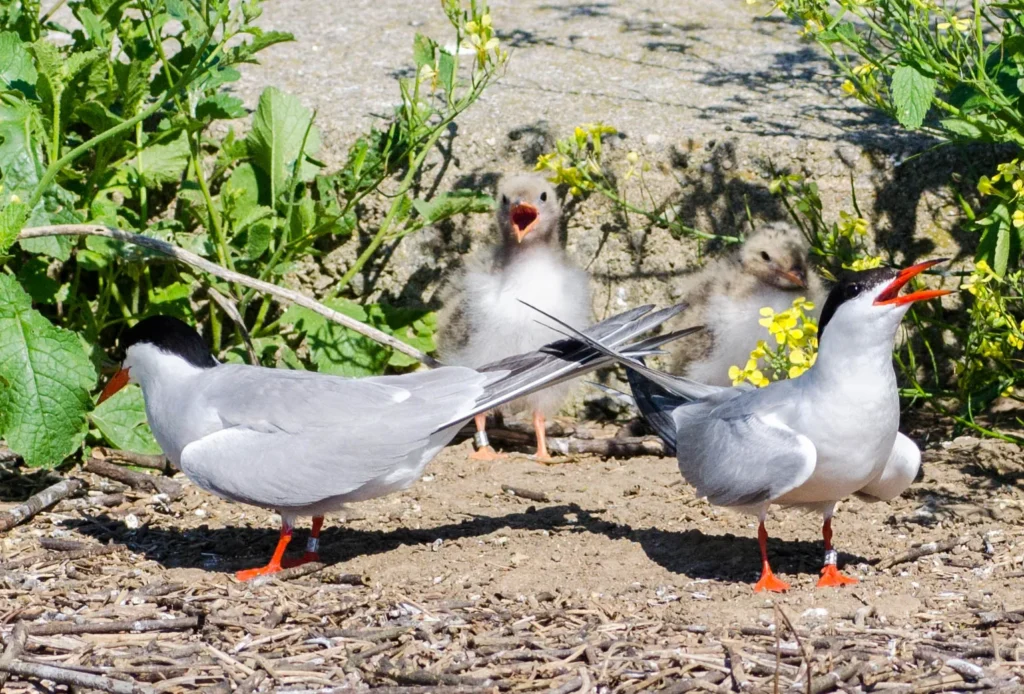
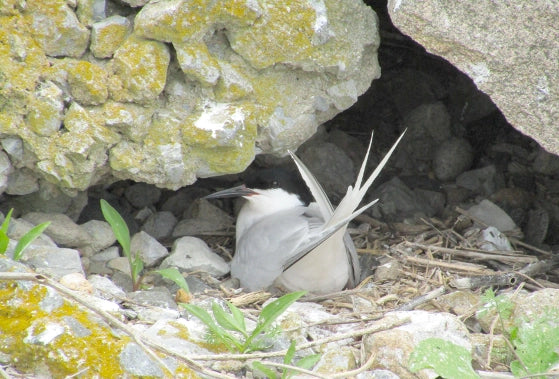
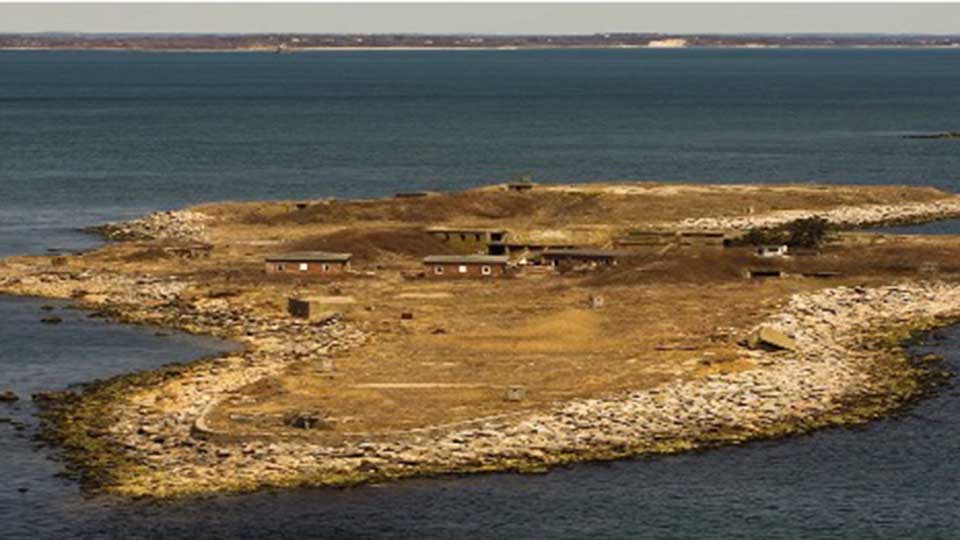
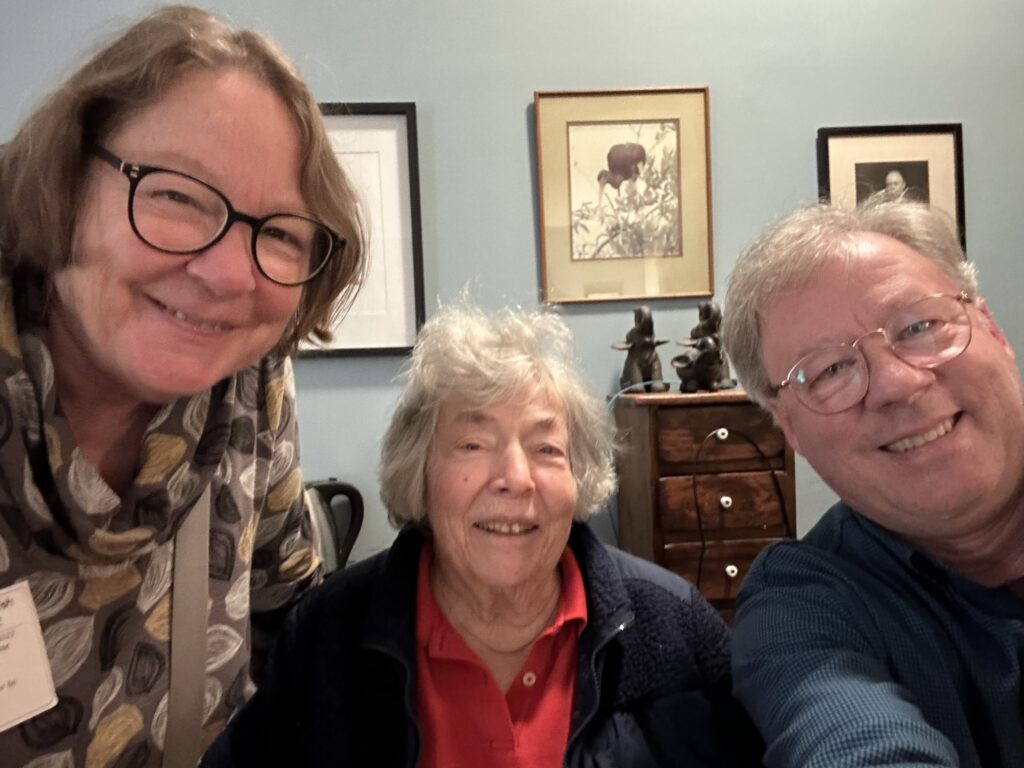
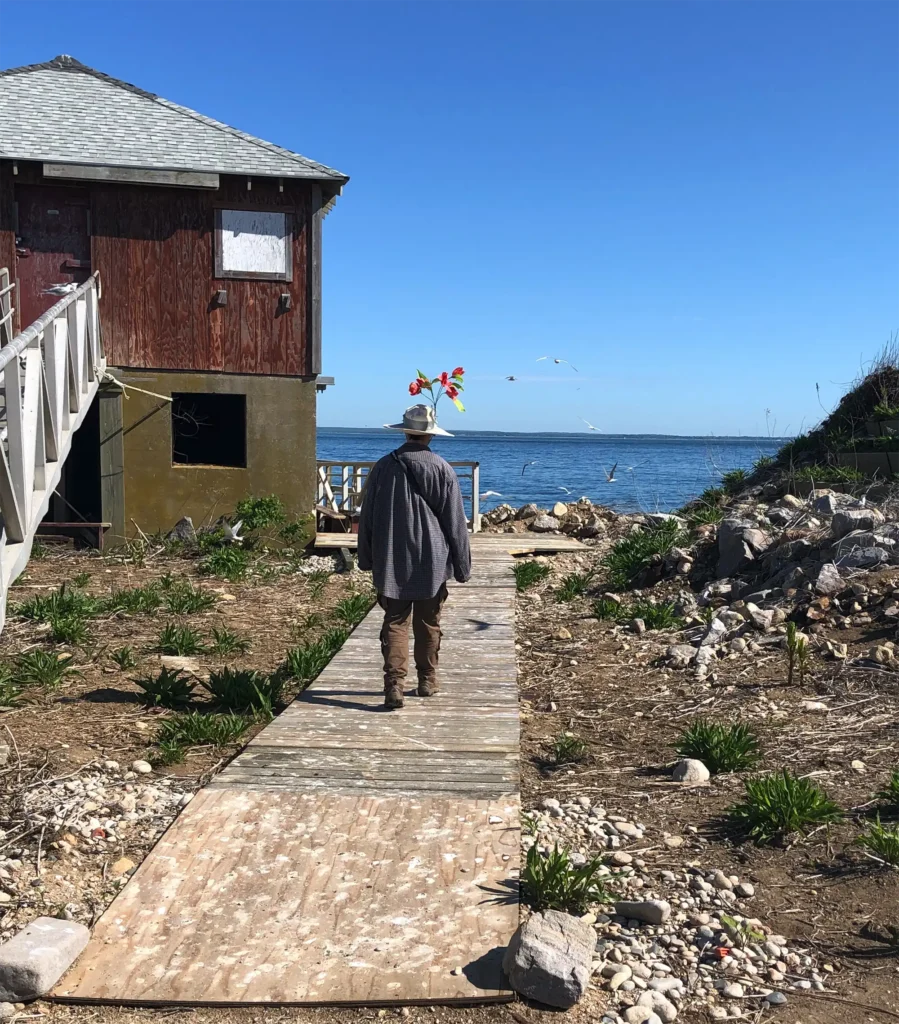
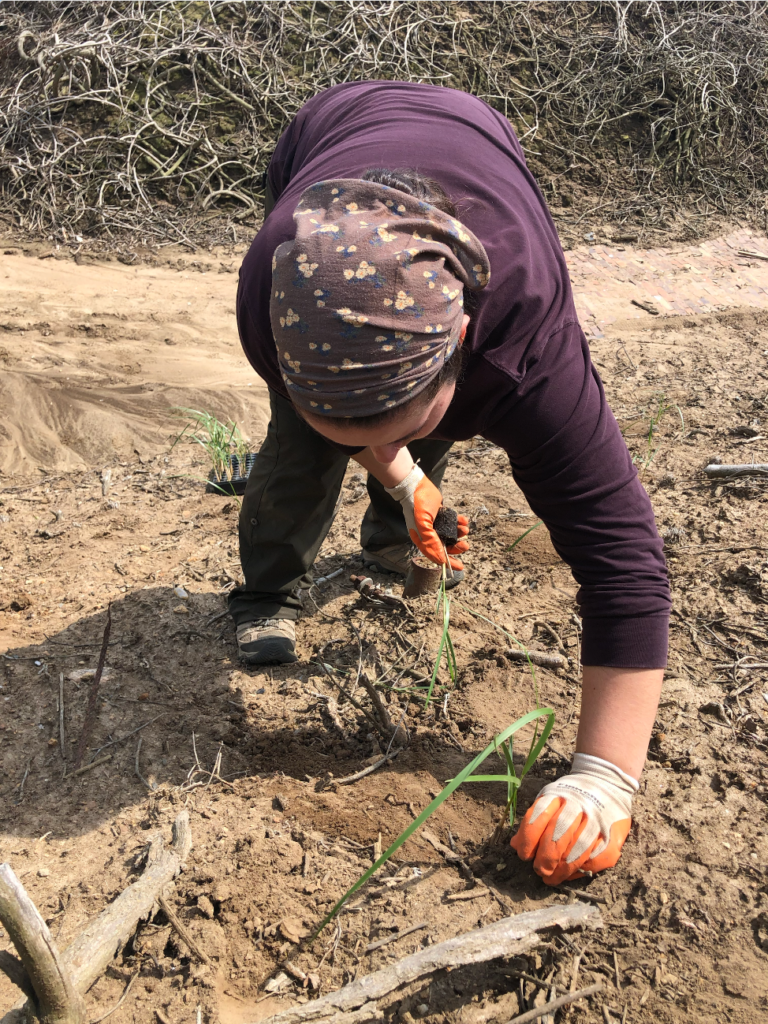
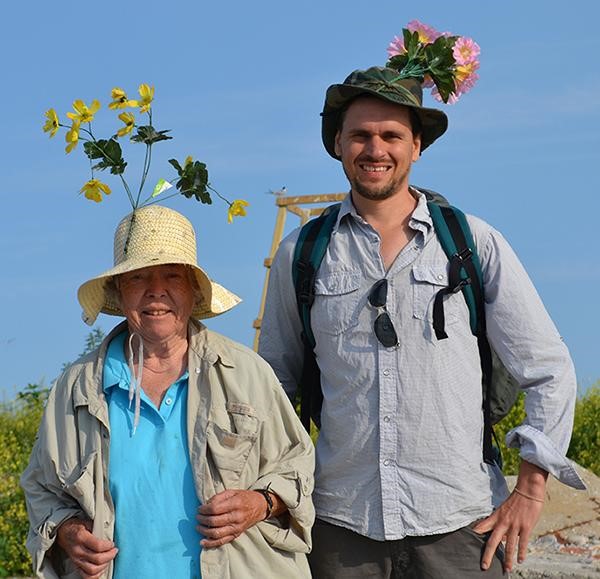
Full Circle, a documentary by director/producer Anne Via McCollough, celebrates Helen Hays, the leader of a 50-year project to save two imperiled seabirds, Roseate and Common Terns. Hays established a vitally important nesting colony for the terns on Great Gull Island, a small decommissioned military installation in Long Island Sound. Through her dedication and tireless work and that of scores of volunteers, Great Gull Island is now the world’s largest nesting colony of Common Terns and the western hemisphere’s largest nesting colony of Roseate Terns.

This inspiring film is available to stream on Amazon Prime Video, YouTube, Apple TV, and other platforms.
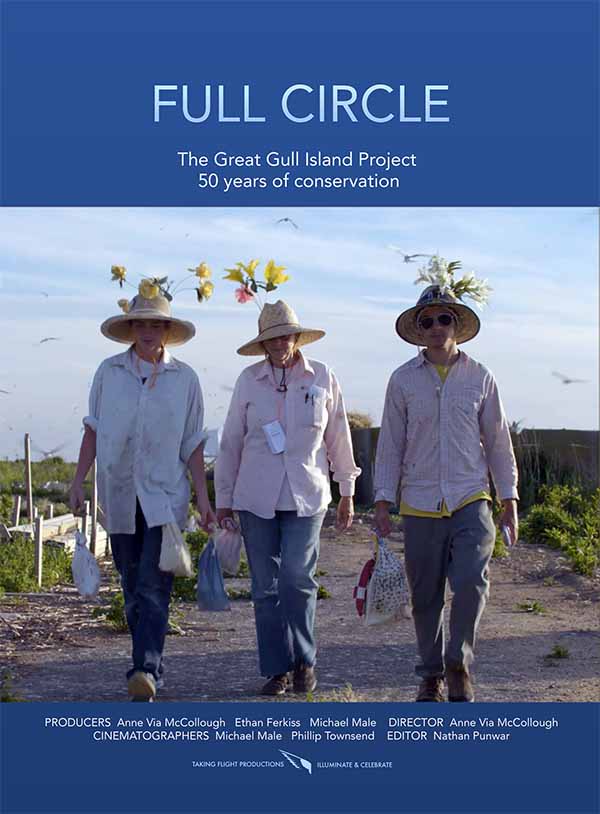
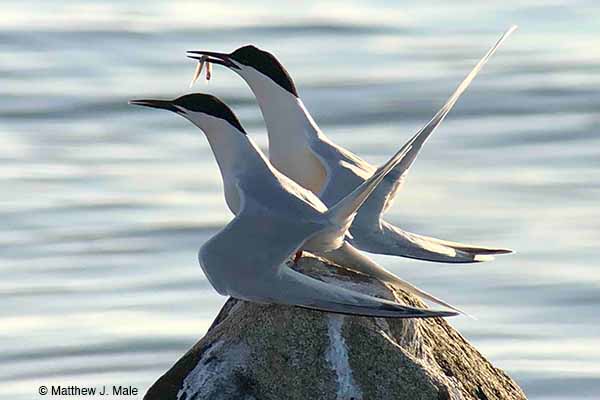
Full Circle Poster

The Great Gull Island Project’s Birdathon Weekend Is Coming — May 2-3, 2026!

Join our 2026 Birdathon, build your team, and help us raise $20K to protect one of the most important tern colonies in the world based in the Long Island Sound.

ABOUT THE GREAT GULL ISLAND PROJECT

The Linnaean Society has supported Great Gull Island’s critical tern conservation work since the 1960s. Because of that investment, this tiny island in the Long Island Sound now hosts the Western Hemisphere’s largest nesting colonies of Common Terns and Roseate Terns. Learn More Here
This year’s Birdathon is particularly important because Helen Hays, the visionary and lifelong leader of Great Gull Island, has passed. This year, we are birding in honor of Helen and her love for the habitat and ecosystem of the terns.

ABOUT THE BIRDATHON

To ensure the continued success of this work, the Linnaean Society hosts a yearly Birdathon fundraiser. Birders will form a team or bird solo while identifying as many species as possible over 48 hours. It’s the perfect way to enjoy spring birding while making a difference for critically endangered birds. Teams and individuals will compete for the honor of being awarded:

  • The team with the highest amount of funds raised
  • The individual with the highest amount of funds raised
  • The team or individual who has the most species on their list
  • The youngest birder
  • The team or person with the best name
  • The person with the best event photos

HOW TO PARTICIPATE AS A FUNDRAISER

STEP ONE: SIGN UP AND DOWNLOAD FORMS (NOW)
STEP TWO: FIND SPONSORS
  • Ask your friends, family, colleagues, and fellow birders to pledge their sponsorship.
  • You can sign them up yourself, or send your sponsors to this online registration form. Either way, we want to track the promised donations for each team.
  • Let your sponsors know their contribution is tax-deductible if they pay the American Museum of Natural History (AMNH) by check using the instructions below. Alternatively, our sponsors can pay you directly, and you will send the money to the AMNH as outlined below.
STEP THREE: BIRD YOUR HEART OUT (MAY 2nd TO 3rd)
  • All species counts follow the birding honor system.
  • At least two team members must be present for a species to count in your total.
  • The team leader will be invited to an eBird Trip Report, where they can list their species over the weekend.
STEP FOUR: COLLECT DONATIONS (MAY 4th to June 15th)
  • Share your species totals with your sponsors and tell them their donation total based on their pledge. Please read how to donate below. You can share this with your sponsors.
  • Also share your expected totals with the Birdathon management team.
  • Share any photos you captured over the weekend – of birds OR birders!!
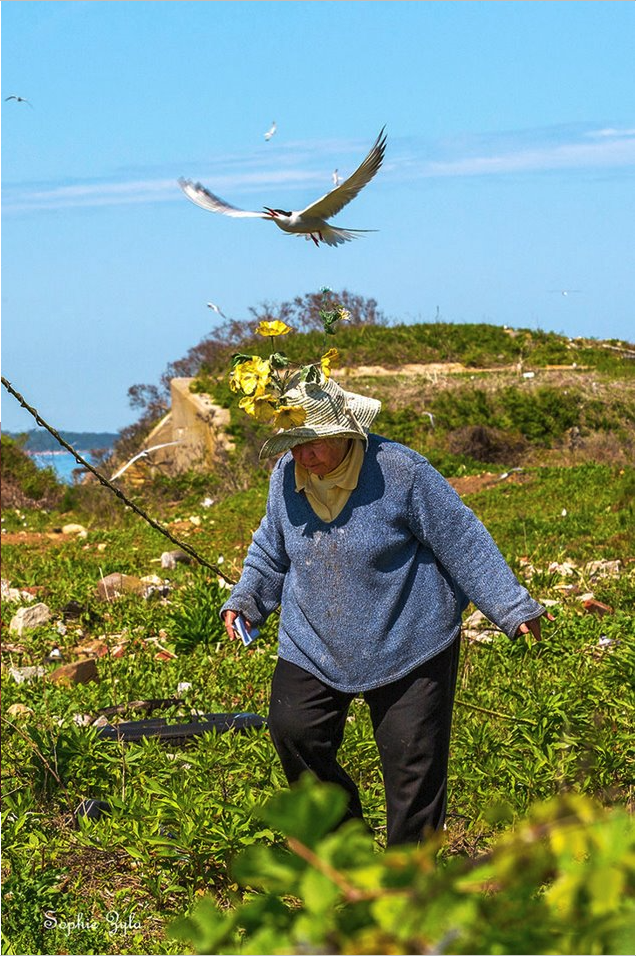
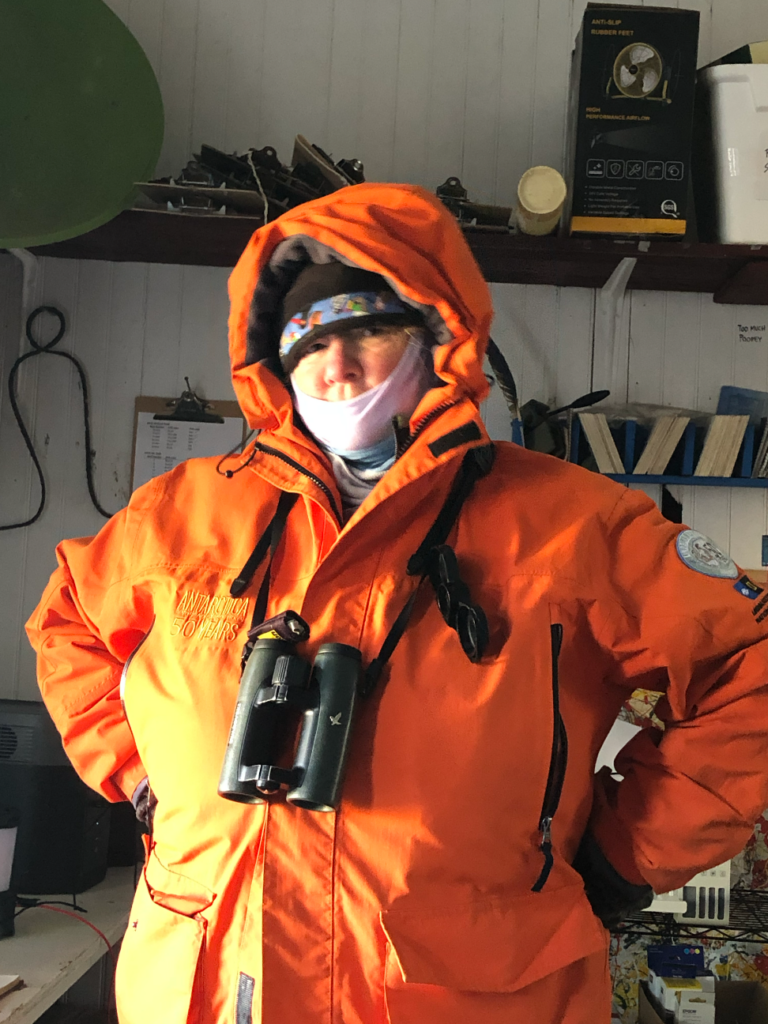
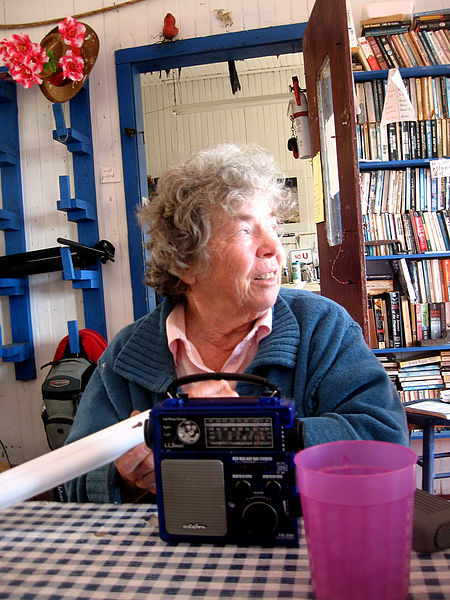
Great Gull Island - Great Gull Island - Helen Hays - Photo Ā© Sophie Zyla
Great Gull Island – Helen Hays – Photo Ā© Sophie Zyla

PARTICIPATING TEAMS

  • The Quack Pack (The Field Trip Committee)
    • Team Leader: Kristin Ellington
    • Team: Amanda Bielskas, Christina Black, Debbie Mullins, Linda LaBella, Mary Beth Kooper, and Suzanne Zywicki.
  • Linnaean Listers (The Board of Directors)
    • Team Leader: Gillian Henry
    • Team: Karen Becker, Meredith Barchat, Miriam Rakowski
  • The Peep Patrol (Tuesday CP Migration)
    • Team Leader: Richard Davis
    • Team: Kevin Sisco, Mindy Kaufman, Shelia Epstein
  • Our Local Patches
    • Team Leader: Anne Lazarus
    • Team: Ashley Chen, Heidi Berman, Wendy Byrne
  • Slow Birding Saturday
    • Team Leader: Chuck McAlexander
    • Team: Ellen Yamaguchi, Katherine Figueroa, Padma Vaidyanathan, Regina Burke, and more
  • Crescendo Chickens
    • Team Leader: Erika Piik
    • Team: David Spawn, Elizabeth Keim, Kathleen Matthews, Will Papp
  • Chatty Starlings
    • Team Leader: Peter Davenport
    • Team: To Come

HOW TO SPONSOR OR DONATE

You can sponsor an individual or a team participating in the Birdathon. Please add your information to this Donor Sponsor form. You are welcome to make a per-bird pledge or donate a flat rate for the event.

All donations must be received by June 15th, 2026.

PAYMENT OPTIONS

Once the Birdathon is complete, you have two payment options.

OPTION 1: Give your donation directly to the person you are sponsoring, and they will submit the funds to the AMNH on your behalf. This can be a check, cash, or other form of payment.

OPTION 2: Send a check directly to the address below.

If you provide a check, it must be made out to “Great Gull Island Project – AMNH.” To receive a tax donation form from the AMNH, you must pay via a check and include your full name and address.

Make the check payable to the “Great Gull Island Project – AMNH”

Mail it to the following address, or give it to the person you are sponsoring, and they will mail it for you.

Great Gull Island Project
Ornithology – AMNH
200 Central Park West
New York, NY 10024

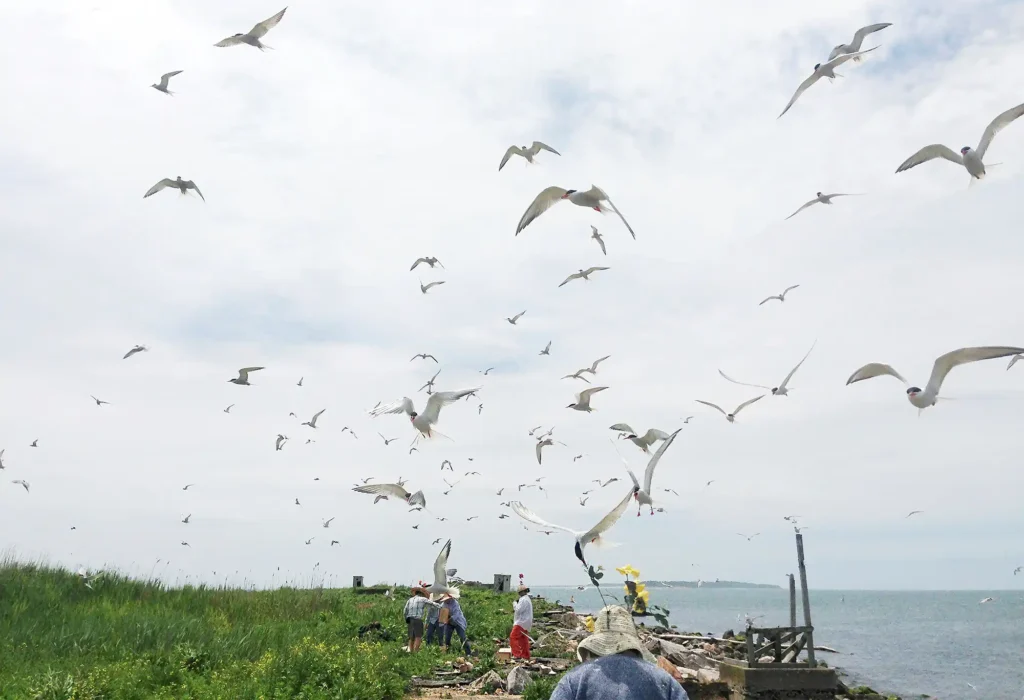
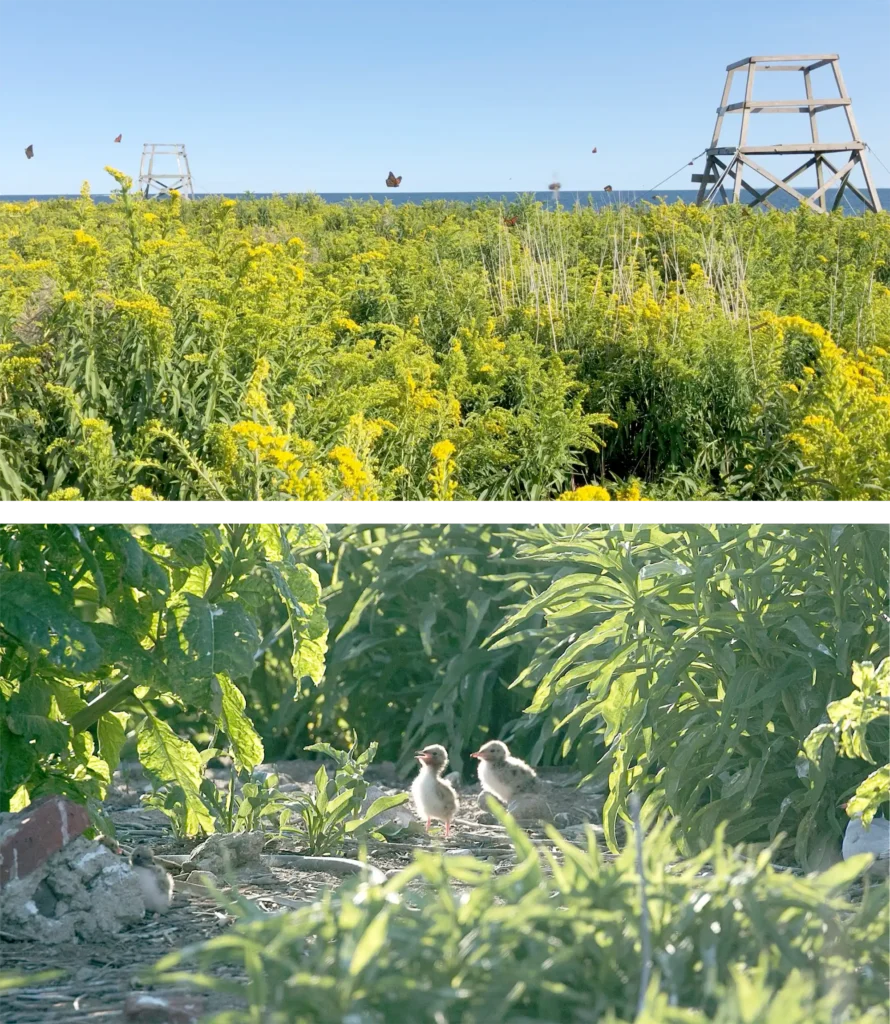
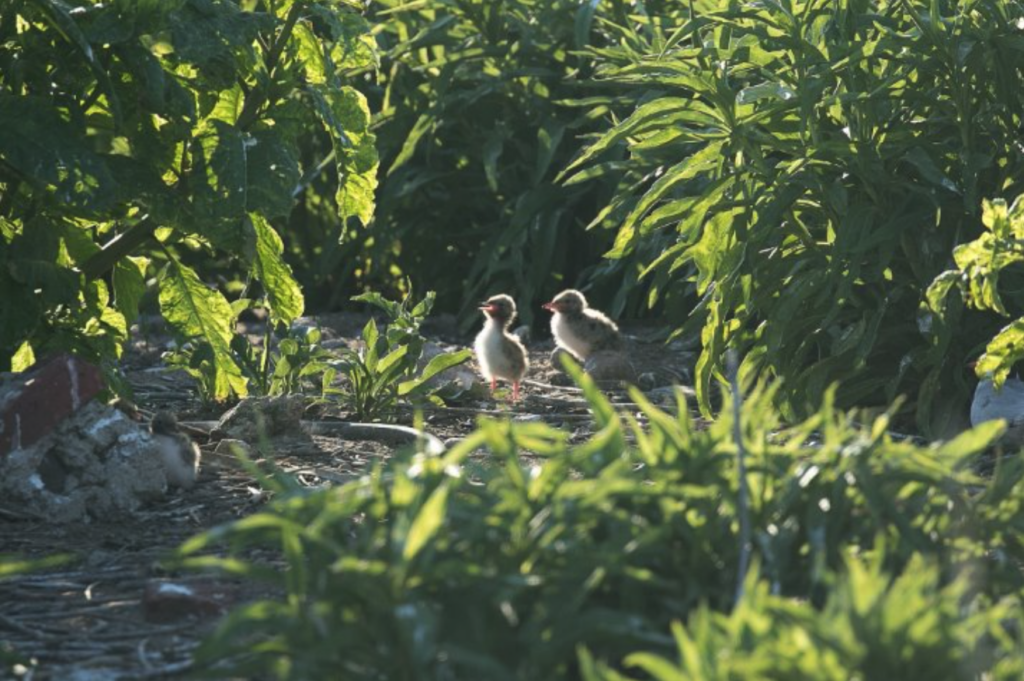
Great Gull Island - Goldenrod, Butterflies, and Chicks
Great Gull Island – Goldenrod, Butterflies, and Chicks

FAQs

Do I have to bird for 48 hours? – No. You can bird as much, or as little, over the 48 hour period.

Do I have to bird in NYC? – No. You can bird anywhere you like.

Do I have to pledge a per-bird amount? No. Although this is the most fun way to participate, you may also donate a flat rate for the fundraiser.

Who can participate? – Anyone! The goal is to raise money for the conservation of Great Gull Island. Anyone who follows the birdathon guidelines is welcome to participate.

Who benefits from the birdathon? – All funds raised go to support the conservation efforts of Great Gull Island, while the Linnaean Society organizes the birdathon this not a fundraiser for LSNY nor AMNH. We invite collaboration with other like minded organizations.

Is the donation tax-deductible? – Yes. Anyone who mails their donation directly to the AMNH, as outlined above, will receive a tax receipt.

How do I collect pledges? – Any way you want. Just ask people to donate, and then when you collect the donations, you can give them the address to send their personal check, or you can collect the money and send a check to the AMNH yourself.

Can I set up a GoFundMe or other online donation platform? – Sure, if you want to collect the donations using a digital donation platform, that’s your call. However, you will still have to mail a check to the AMNH with the total amount you have collected.

What if I missed the donation payment deadline? Although we will only count donations received as of June 15th, 2026, for the awards, you can still send your check. Great Gull Island can always use more donations.

THANK YOU!

We offer our sincerest thanks to all who participate, either as a promoter, birder or sponsor! The terns and the hard-working team at Great Gull Island also thank you.

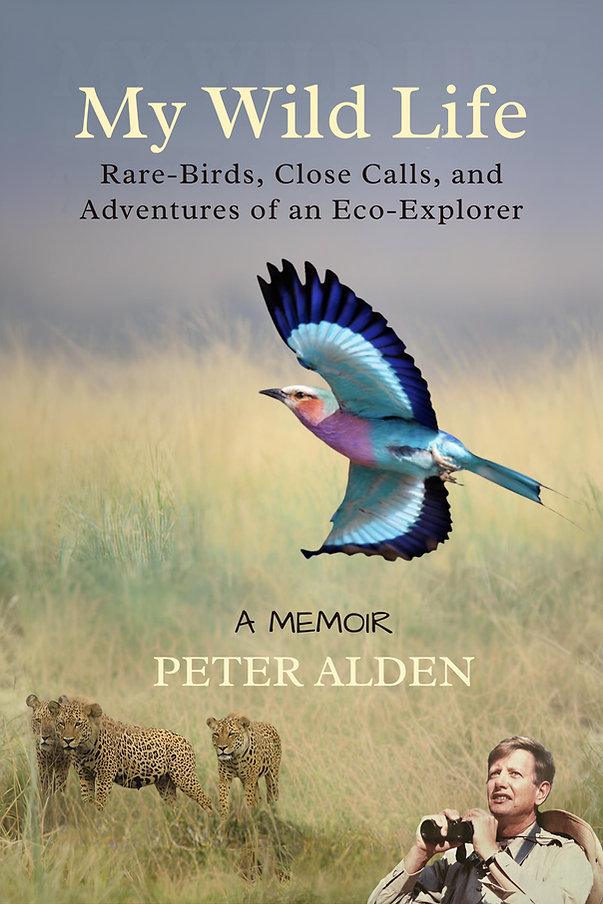
My Wild Life: Rare-Birds, Close Calls, and Adventures of an Eco-Explorer: A Memoir, Review by Rick Cech

My Wild Life: Rare-Birds, Close Calls, and Adventures of an Eco-Explorer: A Memoir
Peter Alden
Spark Birding, LLC, 2025

To be honest, many nature books are relatively generic; anyone with decent penmanship and a little research effort probably could produce them. Not so Peter Alden’s recently published My Wild Life: Rare-Birds, Close Calls, and Adventures of an Eco-Explorer: A Memoir. This is a highly personal Baedeker, bursting with accounts of worldwide experiences that are anything but generic. This is fitting for Peter’s memoir, since (as anyone who knows him can readily attest) Peter in real life presents a unique combination of bold, larger-than-life adventurism, set alongside a studied and quite thoughtful approach to recounting his many experiences.

The collision of these two seemingly disparate traits lands with good effect in his new memoir. In it, Peter details his close, lifelong engagement with natural history – from an early childhood fascination in the 1950s, to his pioneering of many new frontiers in ecotourism worldwide (mainly in the 1970s-1980s), to more recent pursuits such as co-founding the first bioblitzes alongside E.O. Wilson.

Along the way, his path has been well-supplied with a stream of memorable personal adventures. Some of these (such as his encounter with former Defense Secretary James Schlesinger in observing the Ross’ Gull found in Newburyport, MA in 1971), are legendary in his peer birding community, even though at times he has toned down a few of the more colorful details in print.

During his eco-tourism career, Peter’s positioning has always been along the cutting edge. Like a real-world Zelig, he was present in nearly every venue where new developments in field natural history study were taking place, from Central and South America to Africa, Southeast Asia and Antarctica. His experiences illustrate, in personal terms, a generation of evolving natural history tourism that seldom has received such detailed attention, especially in a discussion this broadly encompassing.

It is particularly interesting to learn (or, in some cases, to recall) the privations facing early neotropical naturalists in the modern era. Without illustrated field guides, Peter often was obliged to create cut-and-paste looseleaf notebooks of species information to support his activities. In illustrating tour lectures (given off-hours to trip participants), he would cart along as many as 5,000+ color slides. Further, in early days, there was little available eco-lodging, poorly developed local transportation options, and few individuals with on-sight observation skills – to say nothing of the absence of the internet, GPS, cell phones, email, PowerPoint, advanced photo optics / sound equipment, and readily available field ID resources.

Peter’s book is designed to appeal to a range of readers. The first is eco-tourism beginners, for whom he provides a great deal of patiently detailed and useful background information (including cultural and ecological features, as well as indicating target bird species). While his many tales of derring-do and near calamity may startle those accustomed to a tamer range of field experiences, they remind us that nature remains wild; and for many, this is a core attraction.

The second audience group is experienced local field naturalists looking for ideas as to where they might travel abroad. For this group, the book is an excellent primer. And the list of travel possibilities is truly vast.

The third group is veteran natural history travelers, for whom the narratives are likely to provoke moments of nostalgia, along with an opportunity to compare Peter’s many adventures with their own (including encounters with memorable natural history pioneers). Among the significant figures of the era Peter encountered include Roger Tory Petertsen, Robert Ridgely, Ted Parker, Arnold Small, the Leaky family, Jane Goodall, Ernst Mayr, E.O. Wilson, and Peter Matthiessen, to name just a few. Also luminaries from the NYC area, such as Tom Davis, Stuart Keith, Michel Kleinbaum, and Guy Tudor. Thus, the book is both an encyclopedia of prime international nature sites, as well as a Who’s Who of the mid-century natural history community.

In the third group (and now from an entirely personal point of view), I have visited many of the sites Peter described, especially in the neotropics, but mainly in search of butterflies, more so than birds. Yet many of our travel experiences have been strikingly similar. On the Napo River in Peru, which Peter describes, there was the day when the back panel of our peki-peki (a small canoe-style boat, named for the sound of its one-cylinder outboard motor) fell off, leaving us stranded for an extended time along an isolated riverbank. Or, on another trip, when water levels in the river were low, we had to leap from the boat to lift the hull over rocks along a scratchy stretch of rapids. Or, the time I had to aggressively elbow a young tour bus driver sitting beside me on a treacherous dirt road in the eastern Andes near Cuzco. The young man had dozed off just as we were approaching a hairpin turn, with a thousand foot drop off just off the shoulder. Somehow these adventures seldom end in peril, but they underscore the fact that unpredictability still remains in the natural world. Thanks to Peter for stirring these recollections, among many others.

A final thought. I was intrigued by Peter’s report that, in scouting tour sites in Mexico in 1971, a young local boy alerted him to ā€œthe butterfliesā€ in a nearby valley in the state of MichoacĆ”n. Being more interested in tracking an Imperial Woodpecker, Peter confesses to having forfeited the opportunity to upstage Fred Urquhart in discovering the overwintering site of eastern Monarch butterflies. Had he done so, my late friend Lincoln Brower (a foremost early researcher on the MichoacĆ”n Monarchs), most likely would have been regaled among Peter’s long list of friends and associates in this engaging memoir.

Birdmen: The Wright Brothers, Glenn Curtiss, and the Battle to Control the Skies, Review by Rosemary MacMillan

Birdmen: The Wright Brothers, Glenn Curtiss, and the Battle to Control the Skies
Lawrence Goldstone
Ballantine Books, 2024

In 1886 on a hillside in Germany outside Berlin, a wealthy scientist wearing cumbersome wood-framed fabric wings that stretched some 30 feet across checked the direction of the wind and began to run downhill trusting in decades of measurements he had taken that showed him the possibility of flight. His name was Otto Lilienthal and he soared like a bird.Ā  Fast forward five years and many trials later with ever more sophisticated wing design and one day, Otto Lilienthal stalled in a thermal and crashed and died. News of his exploits were read by young Wilbur Wright, the president of the Wright Cycle Company in Dayton, Ohio and the germ of aviation took hold.

Thus begins this 386-page book by Lawrence Goldstone, a truly gripping tale of scientific genius, human bravery, determination, and unfortunately, greed.  The cast of characters is in the hundreds and features both Americans and Europeans and peripherally, birds, whose seemingly effortless mastery of the air were studied over thousands of hours. As the title indicates, the main characters are the Wright brothers and Glenn Curtiss but Mr. Goldstone has a wide brush so throughout the book, the reader is kept informed of the hundreds of young men equally consumed by the flying bug of the Wrights.  Given the early 20th century setting, they were all male and probably all Caucasian.  The sole female in the story is Katherine Wright, who tended to Wright’s ailing father, and was her brothers’ avid supporter.  One cannot help but wonder if she, too, had the same genius as displayed by Wilbur and Orville and what her contribution to flight might have been.

And genius is certainly the correct word to describe the Wrights.  Basically, Wilbur designed and Orville built.  Prior to their flying addiction they ran a successful bicycle firm which began as a repair shop and soon evolved into a bicycle manufacturing enterprise. The author reminds us of the enormous popularity of the bicycle and the speed of transportation it offered at a time in history when one walked wherever one was going, or was lucky enough to draft a horse for the purpose. We are also reminded that when a particular piece of equipment was needed for some aspect of the job, there was no Amazon to offer all the choices there were in that line. Orville’s only option was to build it, which he did. 

Given the popular status of the ā€˜Wright Brothers’ as inventors of the airplane it might be thought that they were alone in their heroic efforts to master the sky but that is far from the case.  As Mr. Goldstone reports, the early 20th century saw countless young men in America and in Europe attempt to get up there with the birds.  The French particularly were as keen as the Americans on the idea of flight. Initial efforts by all pioneers consisted of gliding machines.  A hilltop was required, wind direction and speed played a huge role, and gravity could be counted on to keep the craft headed back toward the earth.  Balance and maneuverability had to be factored in as well.  It was all very daunting. Birds, after all, displayed these skills seemingly effortlessly.  Maneuverability was achieved by wing design.  The thrust they needed for liftoff was supplied by powerful muscles.  The only way to mimic that was with a motor.  The motor had to be both powerful and lightweight.  Orville set to work.  Wilbur worked ceaselessly trying to improve wing design. A major competitor of the Wrights was Glenn Curtiss whose expertise was motors.  Like the Wrights, he was initially involved in bicycles and was the first to design a motor light enough to be used to power a bicycle – the world’s first motorcycle – which was clocked at a dizzying speed of 30 mph.  Also similar to the Wrights, he was taken with the aeroplane bug and soon turned his efforts to producing a motor light enough to allow flight but powerful enough to keep a craft in the air.

The Wrights hailed from Ohio but chose Kitty Hawk, North Carolina for its sandy stretches and prevailing winds of 15 mph to test their invention. They lived in a tent the first season they spent there in 1901 and while there, experimented with gliders.  There is an excellent picture of Wilbur lying prone in the center of a bi-winged glider complete with forward elevator which was an airfoil to provide additional lift, as well as a vertical tail as tall as the distance between the wings.  Even then the advantage of cambering the wings and making one dihedral and one anhedral had been employed.  It was called warping the wings and would later become a point of contention in the Wrights application for patent. One learns, as one reads, an amazing amount of necessary design lingo.

However, all too soon, gliders, with their limits on distance, terrain, and airtime had lost their allure.  Even before the turn of the century powered flight had become the goal.  The world was gripped by the idea of aviation. There was no shortage in America and in Europe of daring aviators and designers, and equal popularity with the idea of flight on the part of spectators.  The ultimate aim of course was to produce airplanes and sell them, and exhibition flying with financial rewards was wildly popular.  Audiences numbering in the thousands were happy to pay to observe the miracle of flight.  The Wrights held back from almost all exhibitions for fear that their design ideas would be stolen.  They were even reluctant to share their accomplishments with the U.S. Army.  Early on they tried to secure an agreement without showing either their design or an actual demonstration of what they were offering. Understandably, the Army turned down their proposal.

Enter litigation at which the Wrights, particularly Wilbur, were masters.  They finally achieved an injunction against any flights in the United States that did not offer them a royalty.  It was largely ignored initially.  The French aviators, flying French-designed craft paid no heed nor did Americans, particularly Glenn Curtiss.  The argument was that there were so many plane designers that not every feature of every craft could be found to have originated in a Wright design.  A perfect case in point was to be seen in a Curtiss plane that won the Scientific American trophy for a flight longer than 25 km.  Curtiss’ Golden Flier had ailerons that were obviously superior to the Wright warped wing.  He flew in Mineola, New York a distance of 40 km in 19 circuits around a 1 1/3 mile course. The invention of ailerons was copied from the ā€˜fingers’ of birds which are visible in so many species of large predators and help to direct airflow.  It was not an invention so much as mimicking, but birds do not sue.

Though Wilbur Wright’s success in getting an injunction had a dampening effect on all involved in putting on exhibitions -designers, aviators, and investors but it did not stop the impetus of flight.  A weeklong meet that took place in Reims, France in 1909 saw Glenn Curtiss entering on the final day with his Reims Racer.  The Wrights had refused to participate.  Curtiss had gotten to Reims by train with his craft coming along as luggage.  He won over Louis Bleriot, perhaps France’s best, in an upset with a speed that was clocked at 6 seconds faster.  Curtiss credited his plane’s ailerons with the greater efficiency in turns.

It is amazing to consider that a meet of any distance in the early days of flight required boat and/or train passage. What I find even more astounding is the fragility of early aircraft that could be dismantled and reassembled seemingly without any major construction required.

In 1910 the city of Los Angeles, in a bid for recognition of its growth and perhaps feeling left out in the distant west, invested a sizable sum in prize money to put on an air meet.  Curtiss agreed to make an appearance for $10,000 and so did Louis Paulhan, one of France’s best, who was offered $25,000.  This in addition to whatever prizes they might win.  

As one might expect in a gripping novel,  the Wrights injunction was issued the day Paulhan arrived in New York City.  He was informed by the Wrights’ lawyer as he disembarked from the Bretagne, and with exemplary Gallic panache, ignored the challenge and boarded a train to Los Angeles.  Public relations was with Paulhan who won a distance competition flight distancing over 40 miles, followed by a flight of 20 miles over the Pacific with Mrs. Paulhan as his passenger. 

Perhaps fully half of Mr. Goldstone’s book unavoidably deals with big money investors who foresaw, quite accurately as it turned out, the enormous profit to be had from future aeronautic commercial and military travel.  

As a birder I notice that a prevailing interest of birders is taxonomy. If you can name it you can put it on your life lists; the friendly competition among birders, often unspoken, seems to be for quantity of species. What Mr. Goldstone has done in his book about the beginning of aviation is to make me aware of all the anatomical, physiological and ecological aspects about whatever little bird that I have finally spotted (usually with the help of other birders). Nor will I ever board another flight again without thinking of all that we owe birds for the marvel of aviation.

Bali, Indonesia Trip Report – Rahil Patel

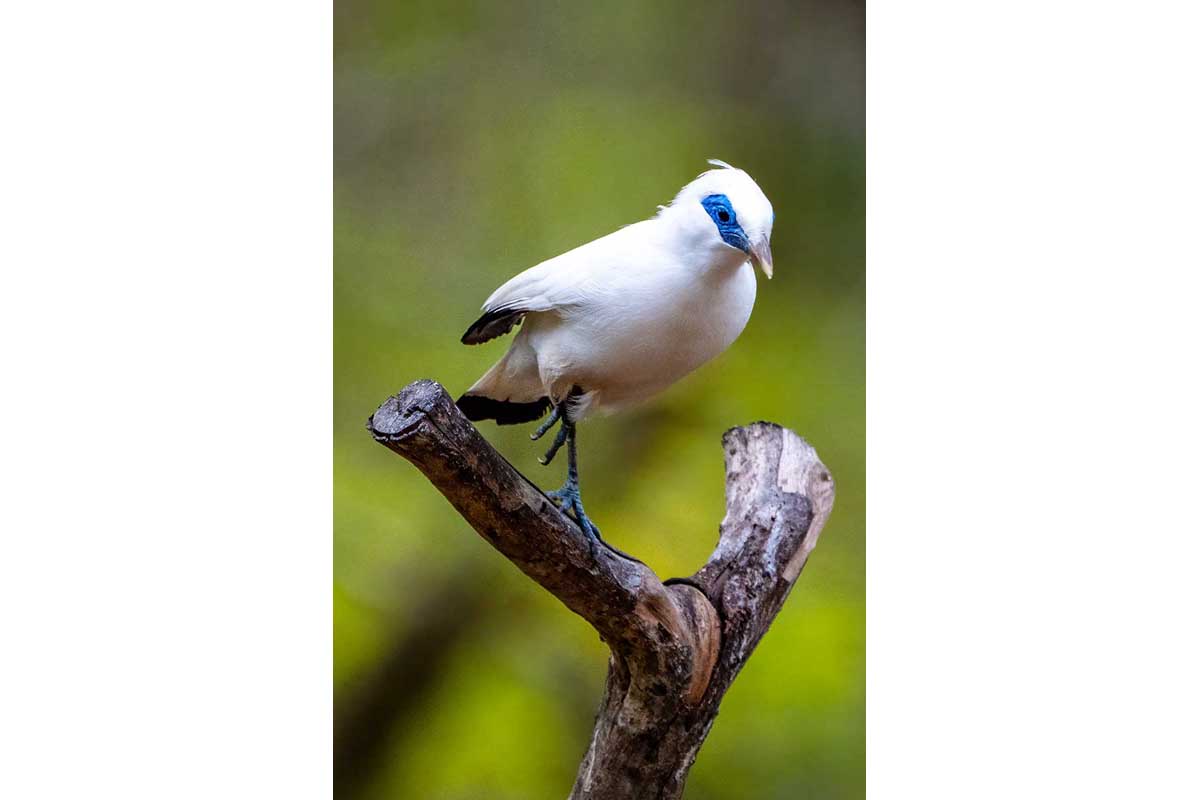
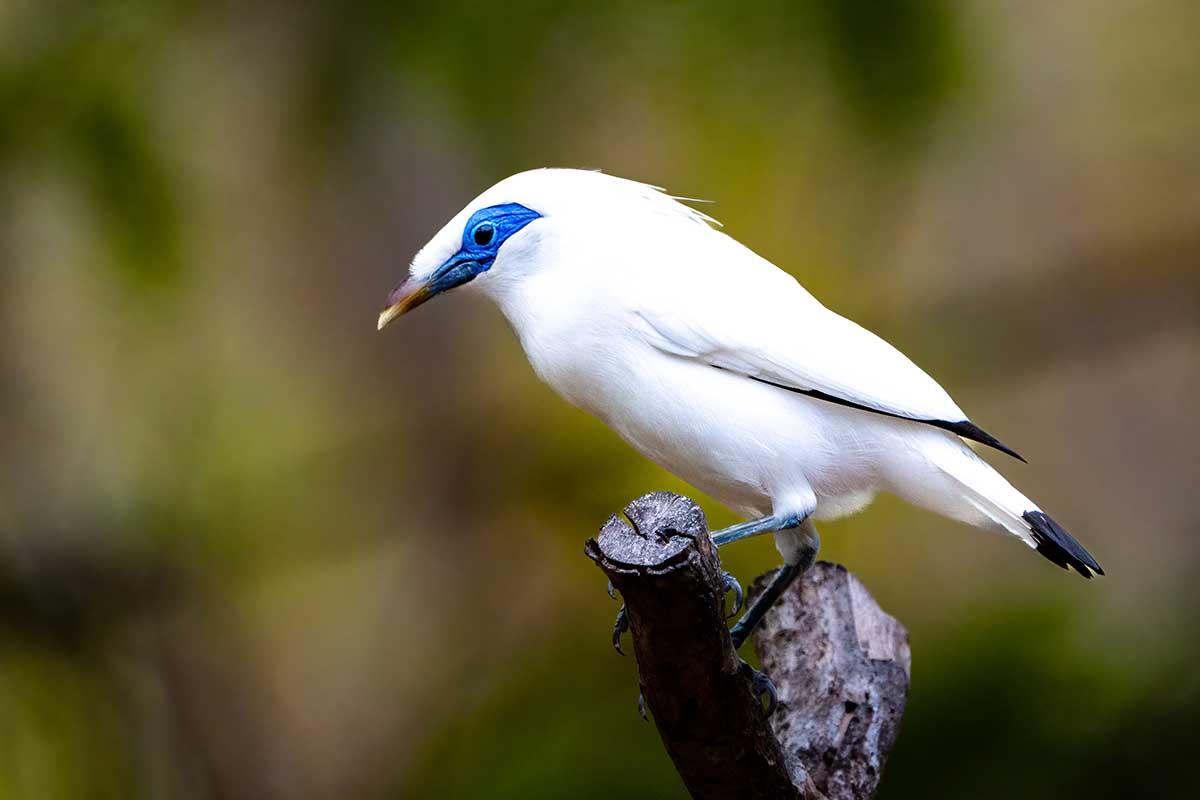
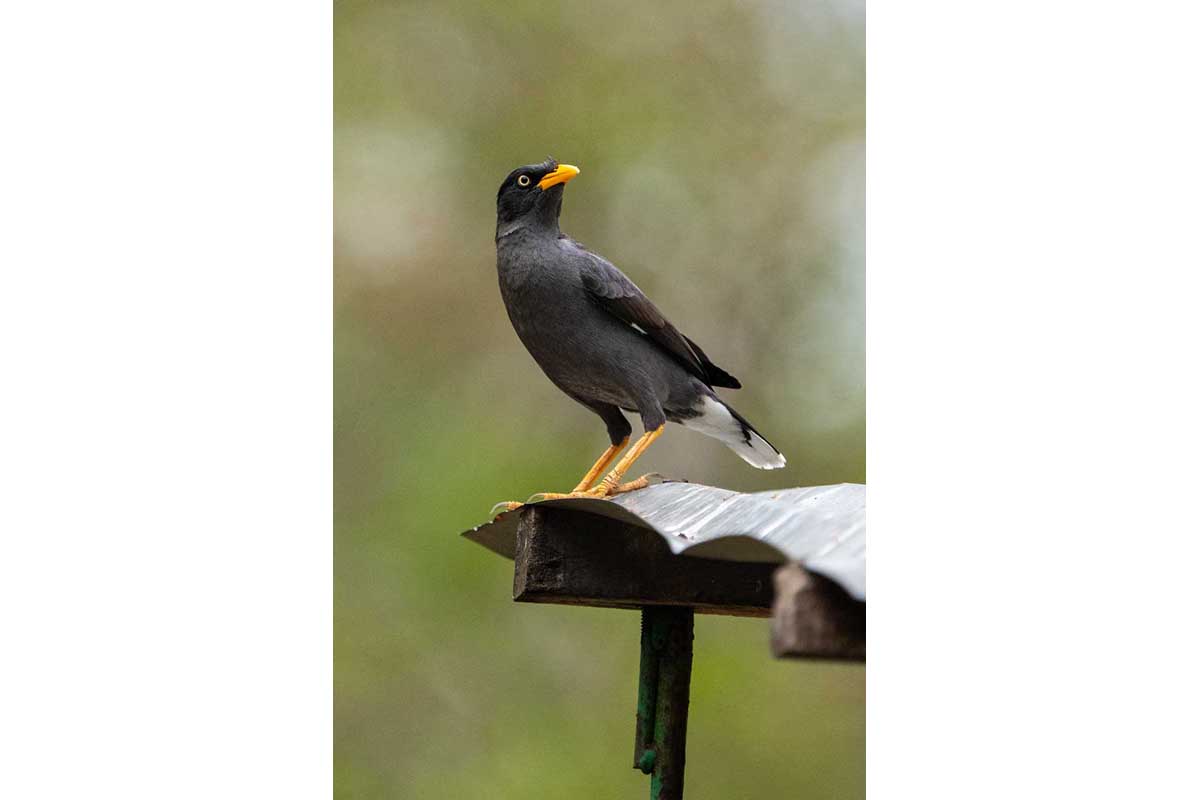
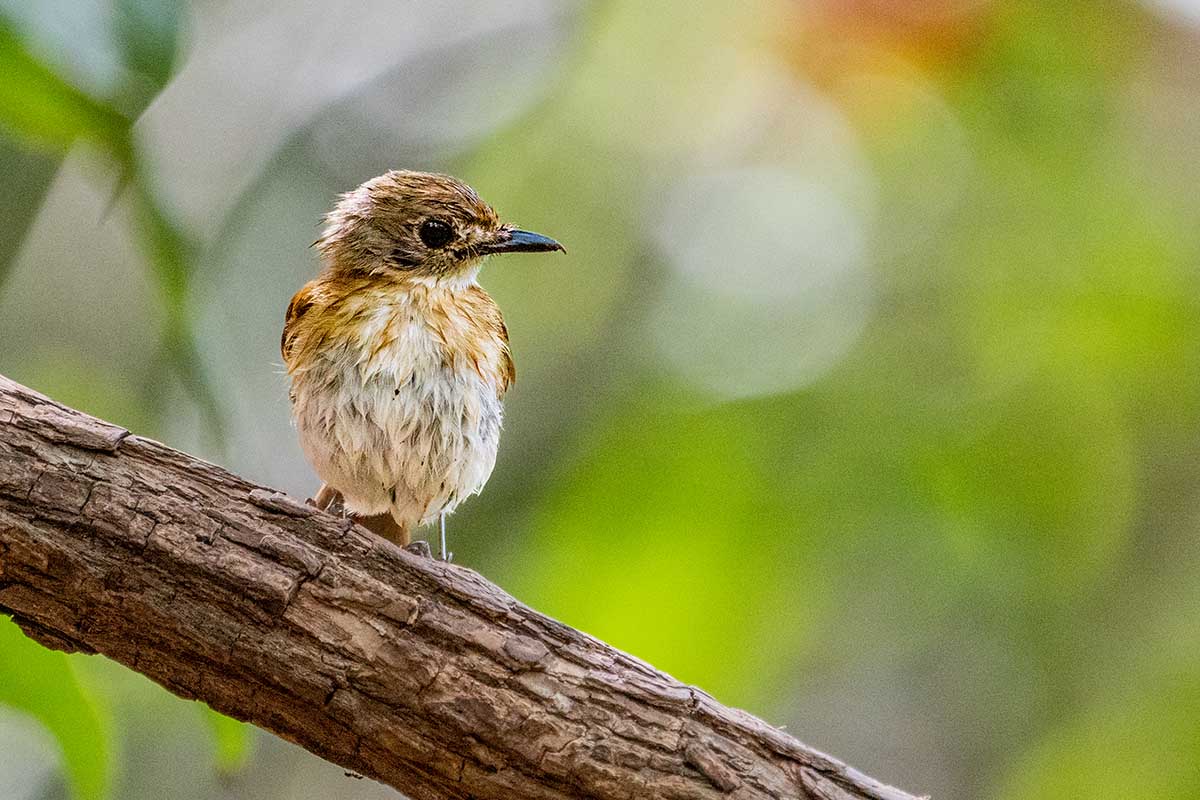
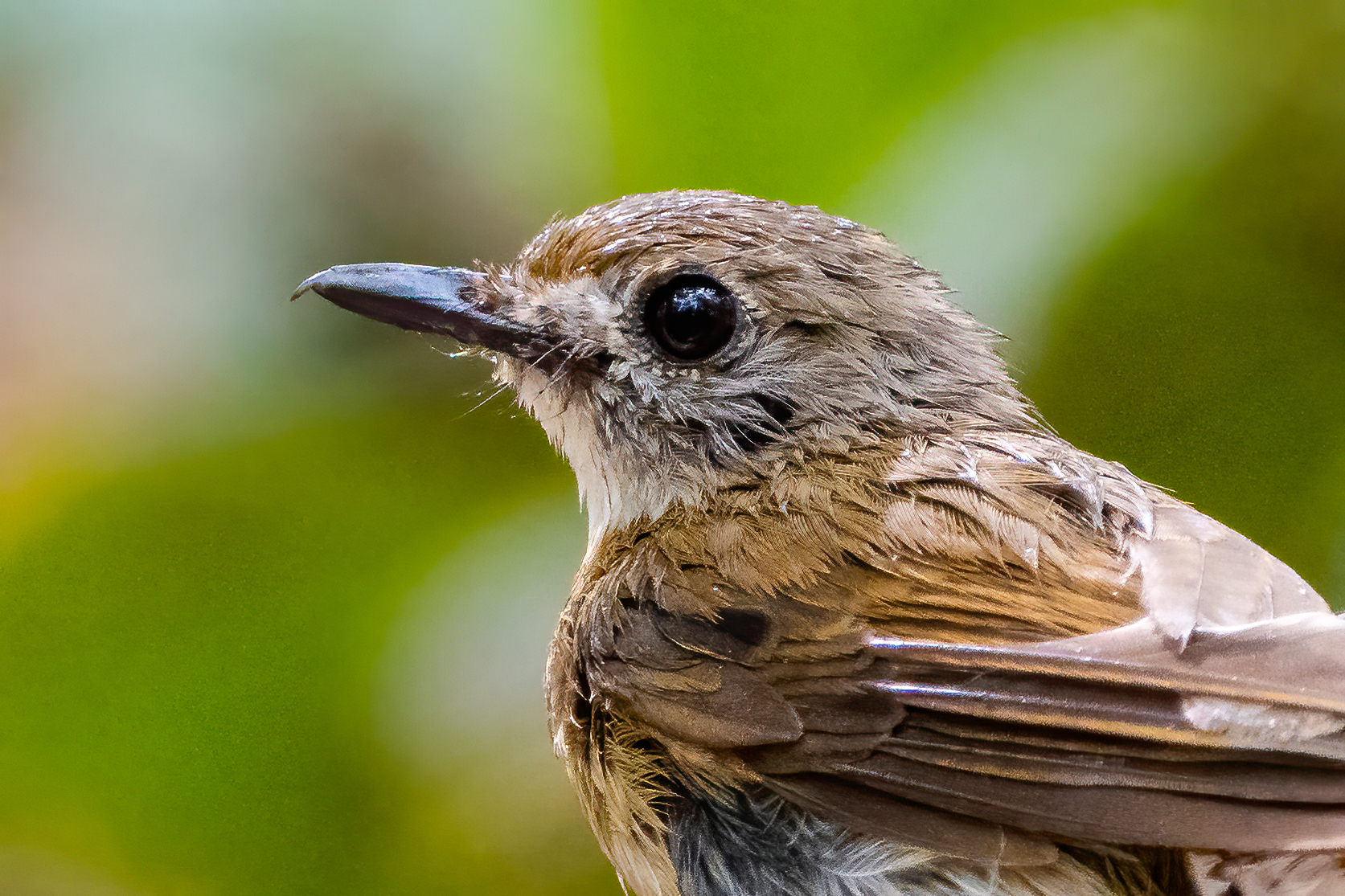
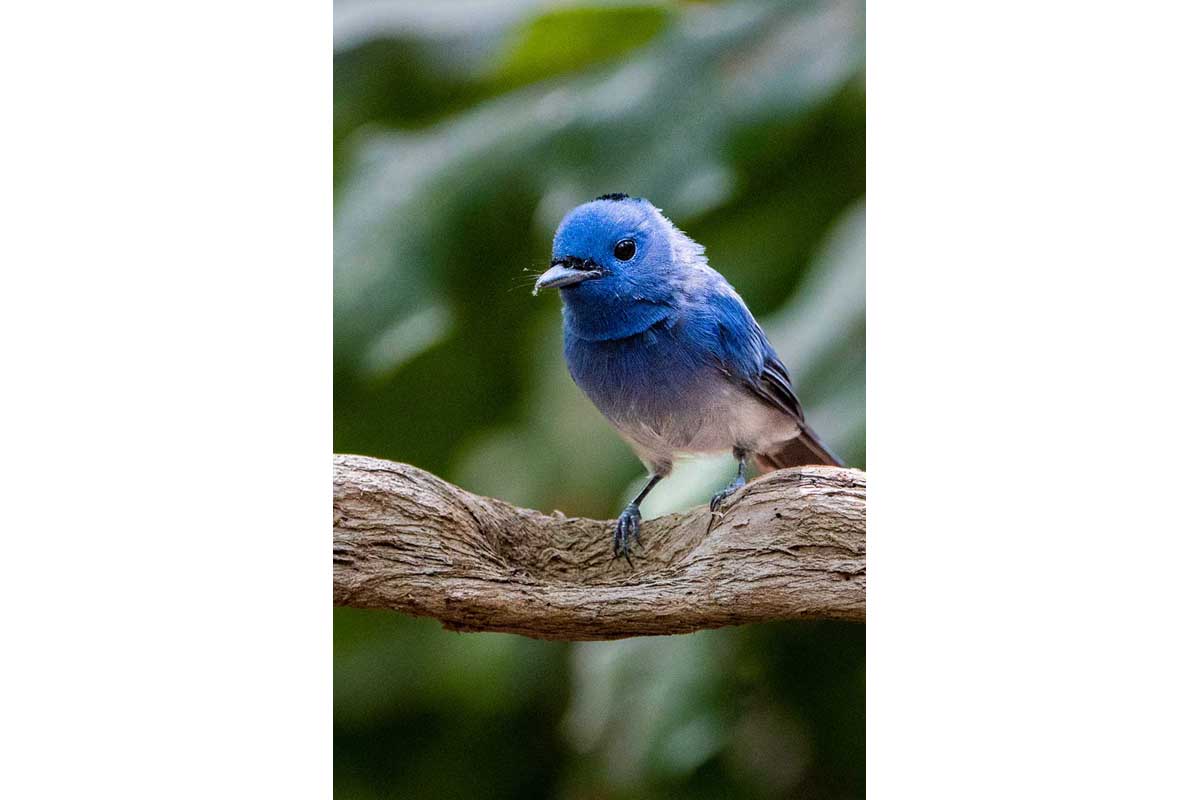
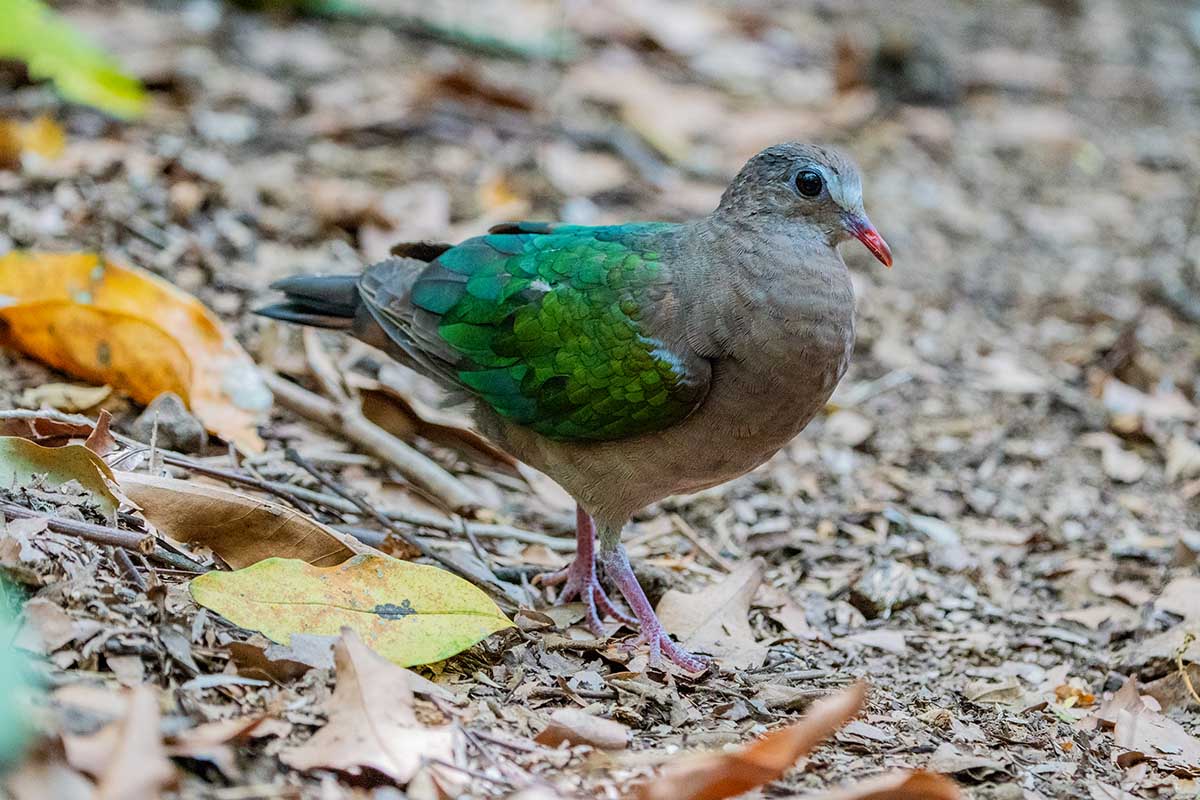
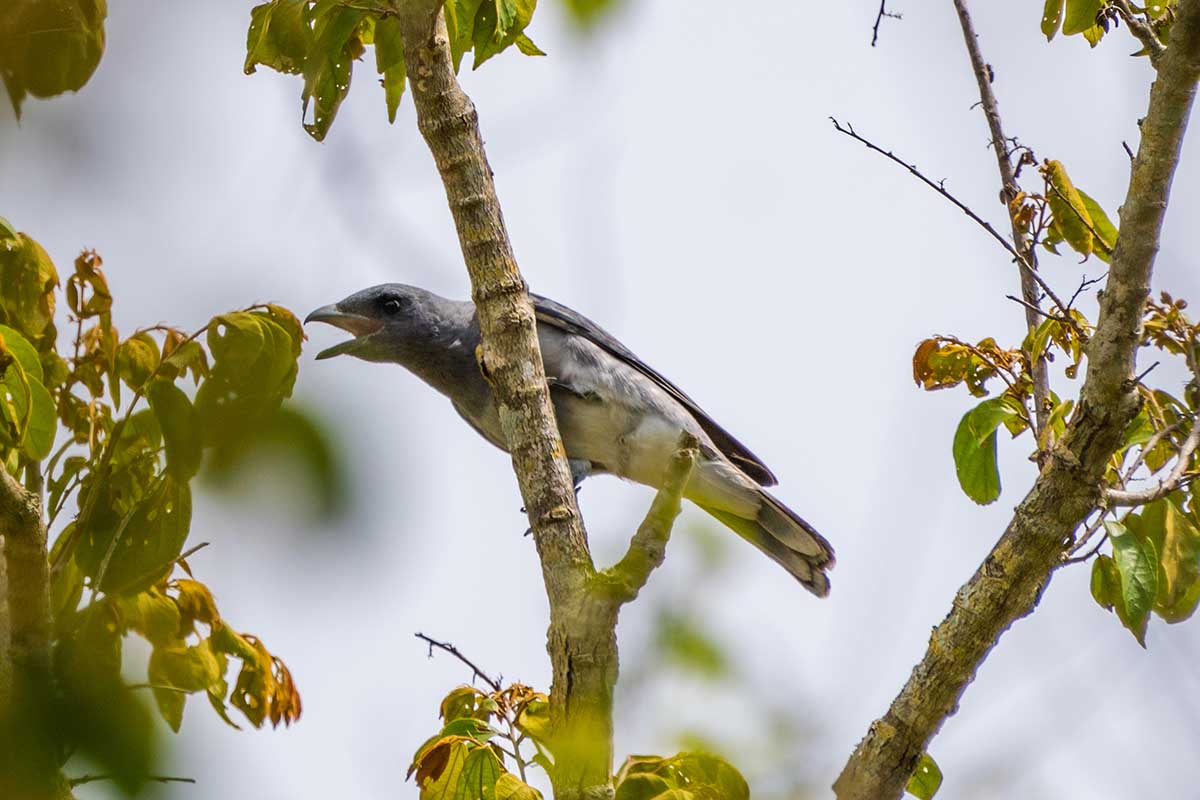
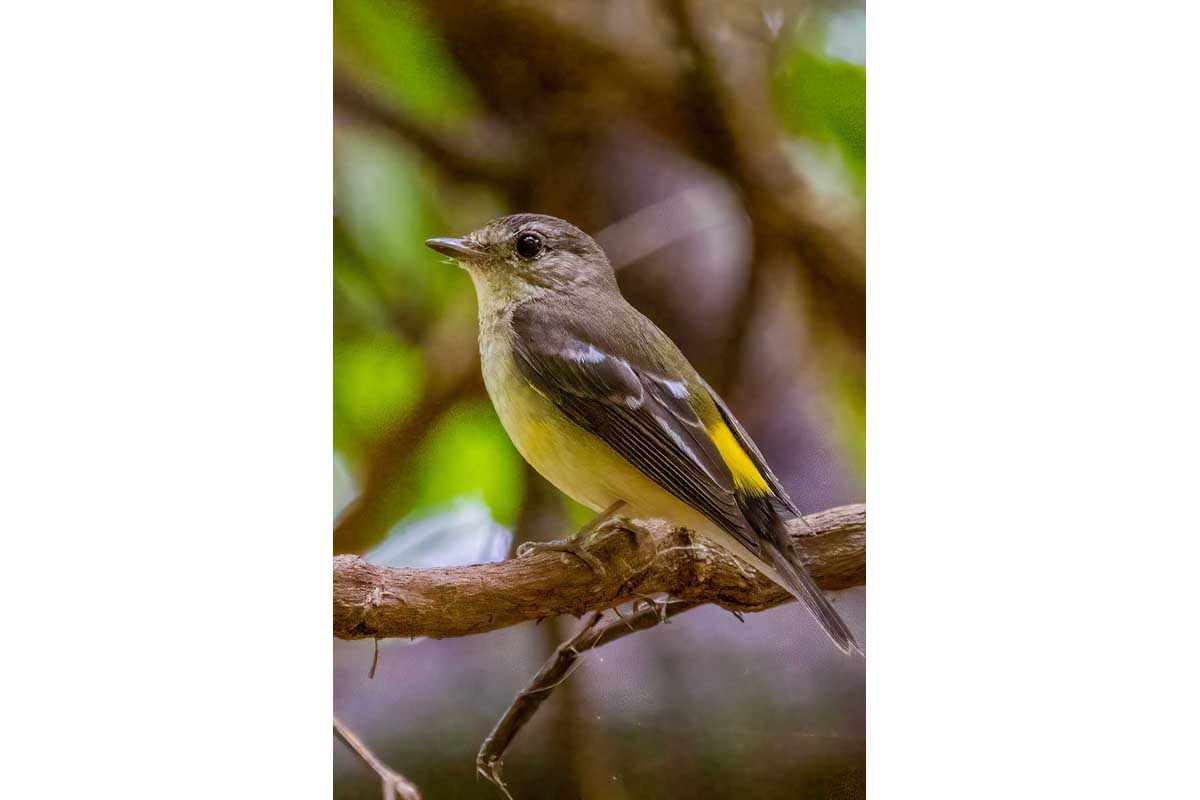
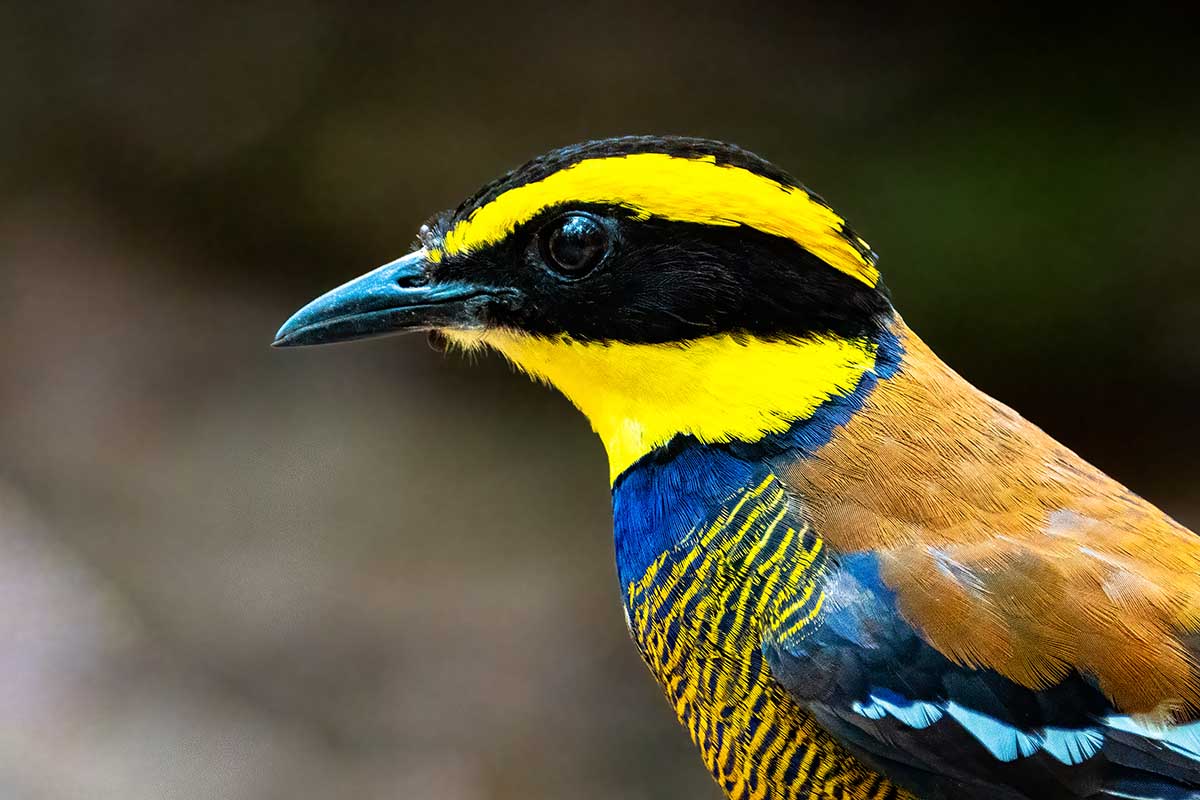
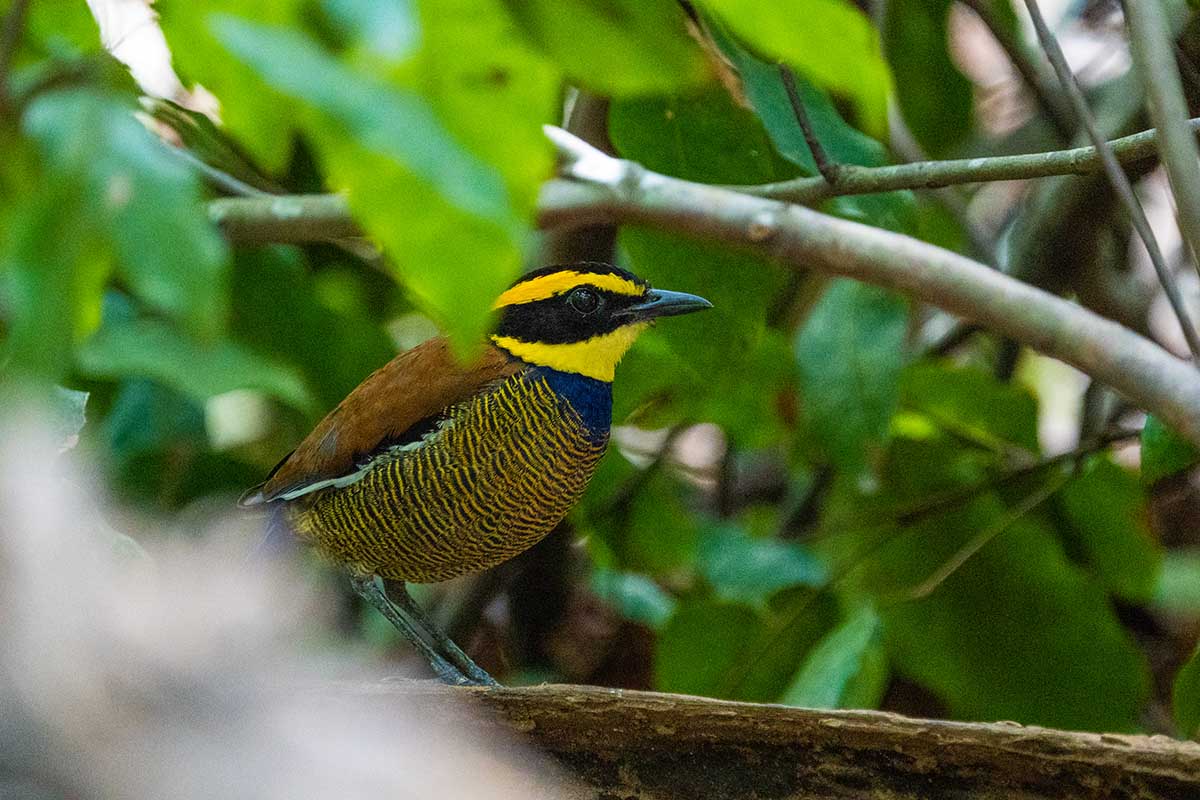
I visited Bali, Indonesia in January 2024 and it was my first time there. Bali has a unique charm for birders due to its endemic species like the critically endangered Bali Myna. The combination of rare bird species and the island’s natural beauty made it a perfect destination. I was most excited to see the Bali Myna and other rare species like the Javan Kingfisher and Javan Banded Pitta.

My itinerary was a mix of family time and birding. I researched key birding locations like Bali Barat National Park and contacted a local birding guide in advance. I made sure to pack all essential birding gear, including binoculars, camera equipment, and field guides. I left two days exclusively for birding while keeping the rest of the trip flexible for exploration. I flew into Bali’s Ngurah Rai International Airport and traveled by car to various parts of the island, including Ubud and Bali Barat National Park. I stayed in Ubud, a cultural hub in the southern part of Bali, at an Airbnb. I primarily used private transportation for longer trips, and local drivers and guides helped me reach remote birding spots.

The main birding destination was Bali Barat National Park in the northwest, which is known for its conservation efforts for Bali Myna. I chose this location because it’s a stronghold for several endemic species. I also visited hides and feeding stations set up for birds like the Javan Banded Pitta. Wildlife outside of birds wasn’t my primary focus, but I did encounter various fauna in the park. The natural habitat around Bali Barat National Park was dense and tropical, full of lush vegetation. I used field guides and relied heavily on my birding guide for identifying the birds, particularly the rarer species. The park’s diverse ecosystem made it a fantastic spot for both birding and appreciating Bali’s native flora. I hired a local birding guide, which was essential in finding the more elusive species like the Bali Myna and navigating the bird hides for species like the Javan Banded Pitta.

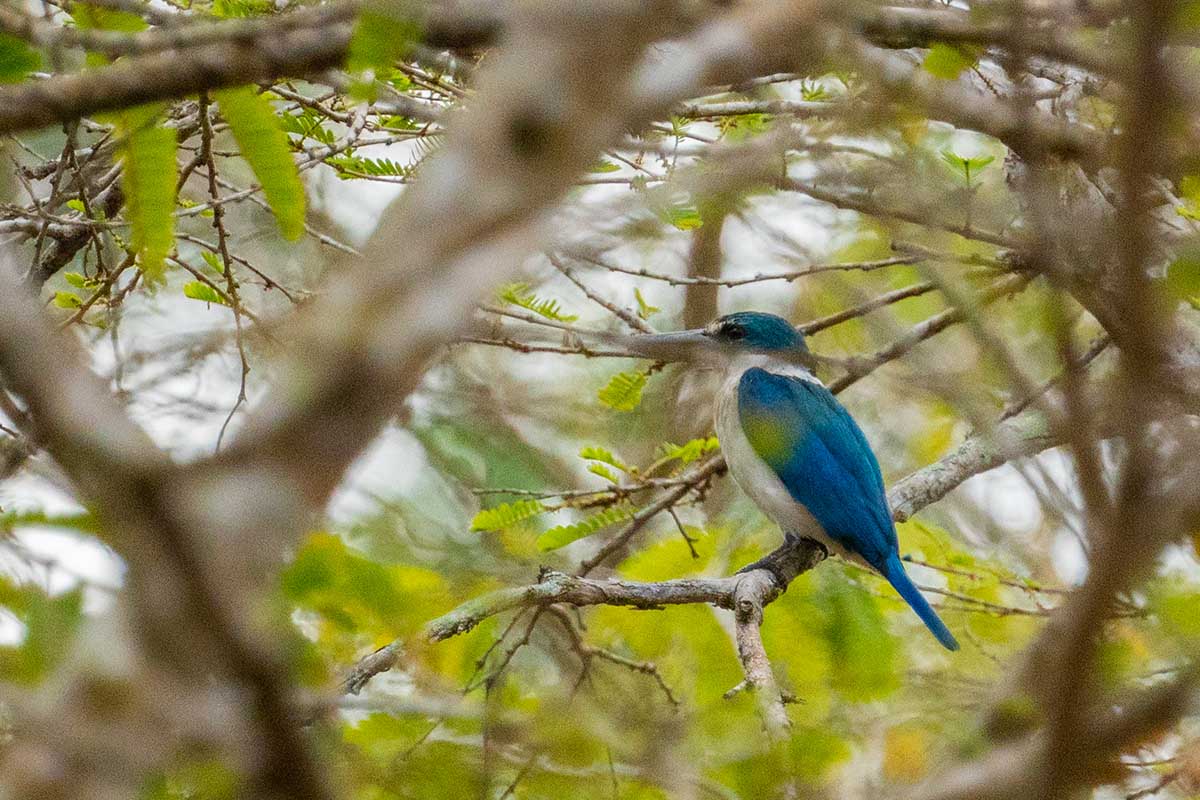
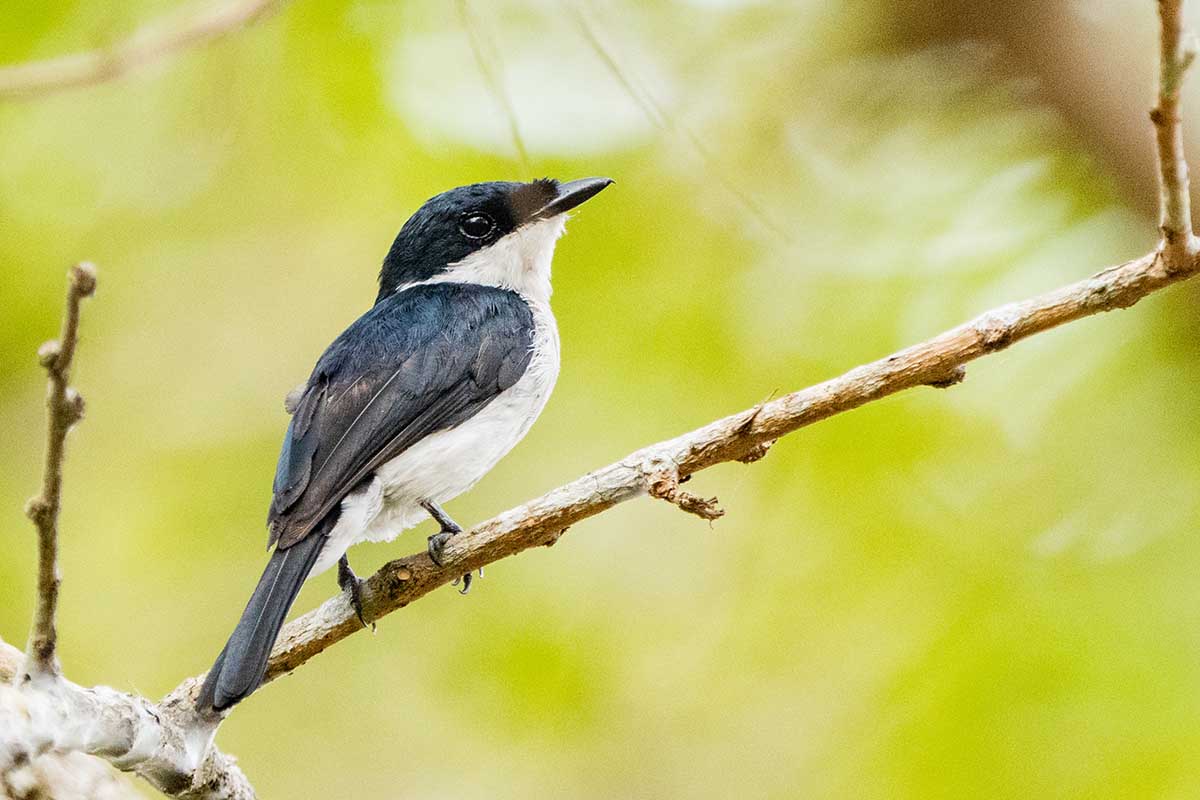
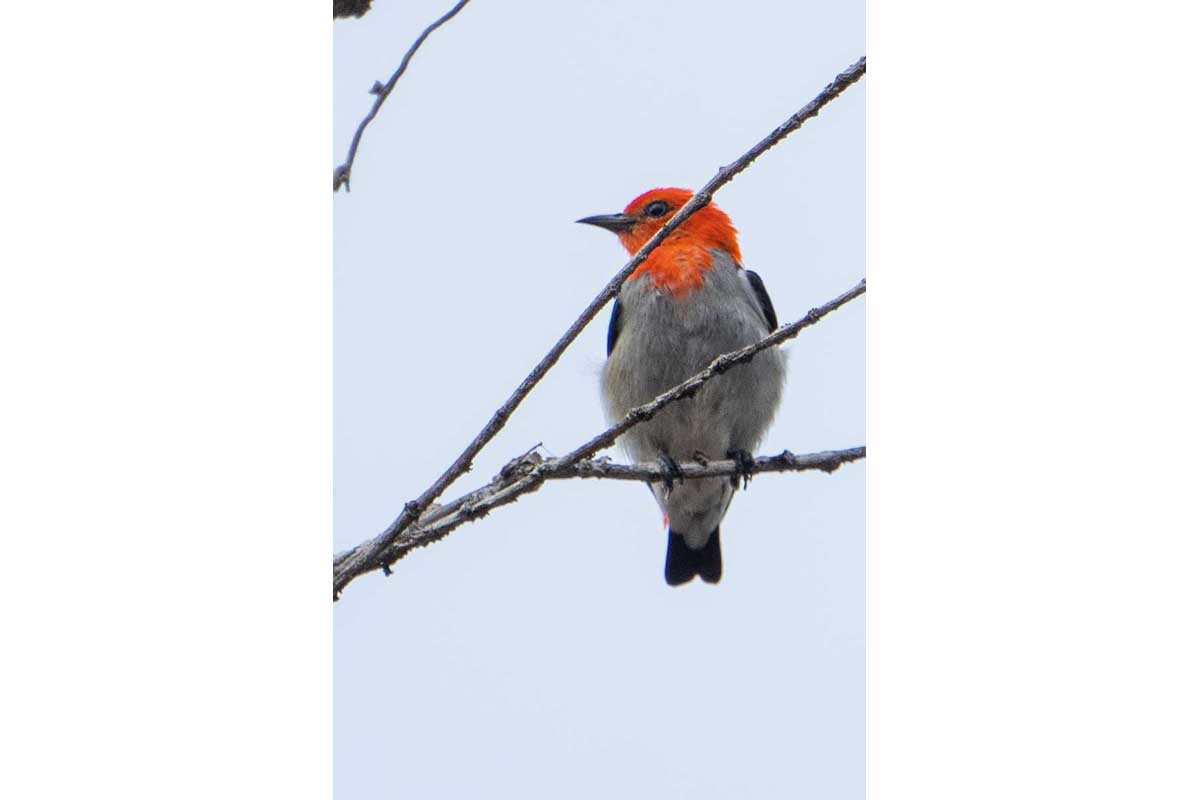
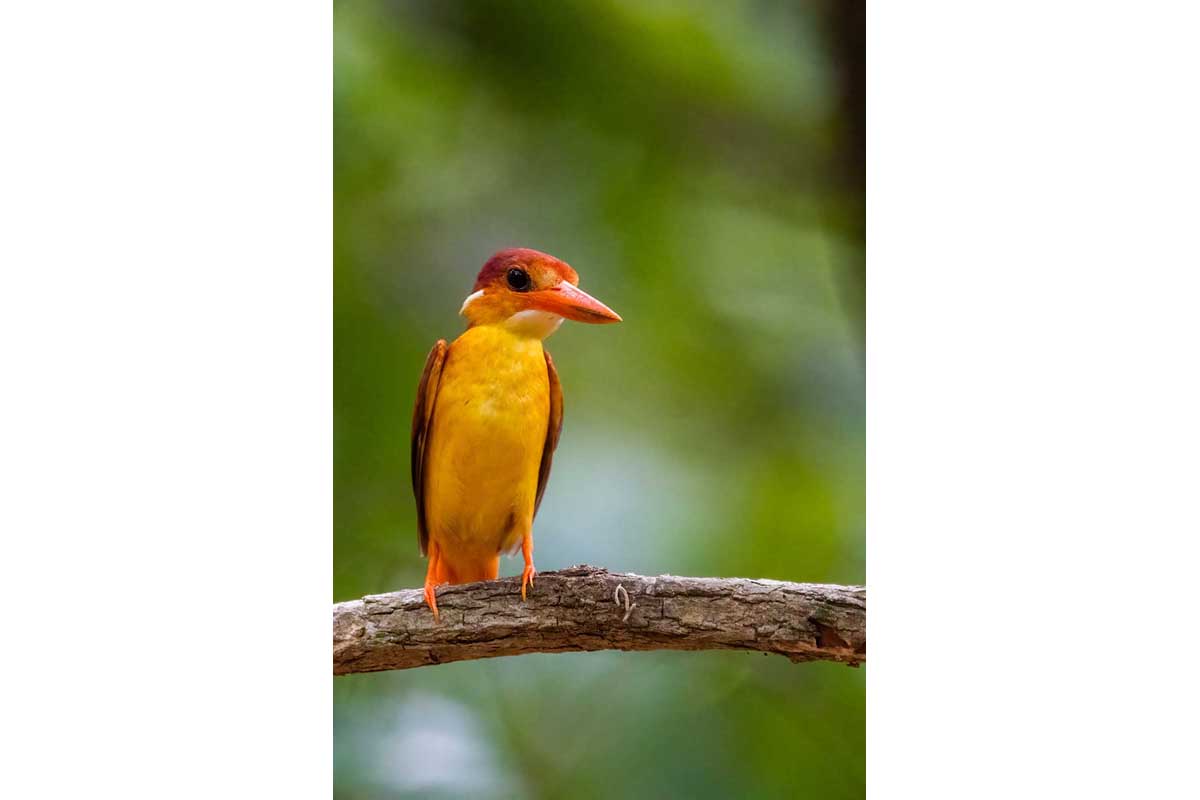
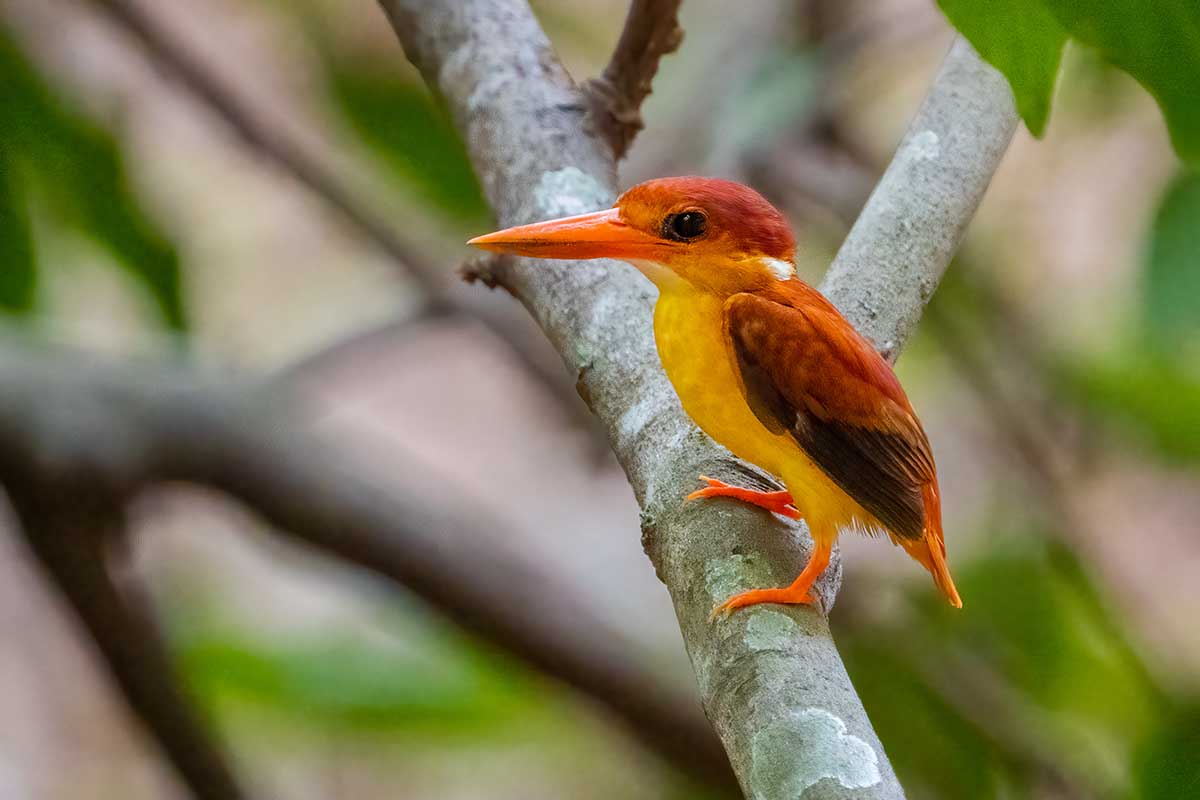
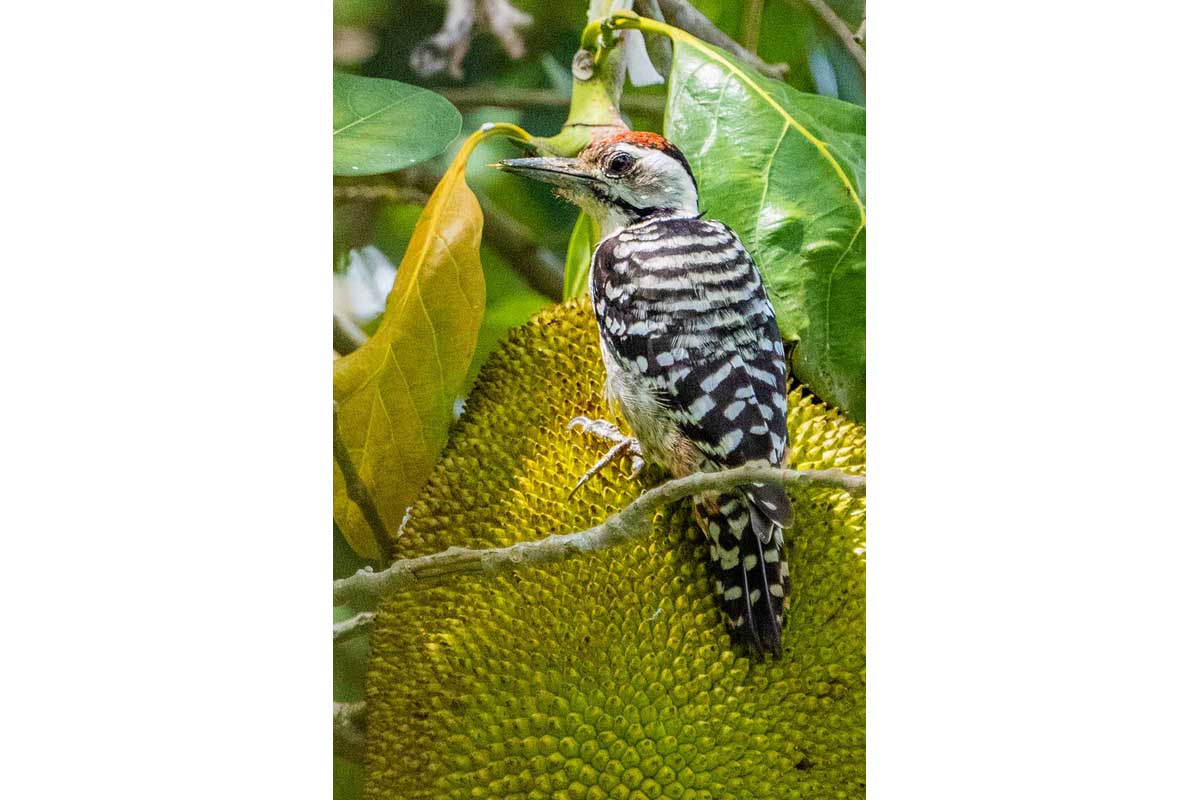
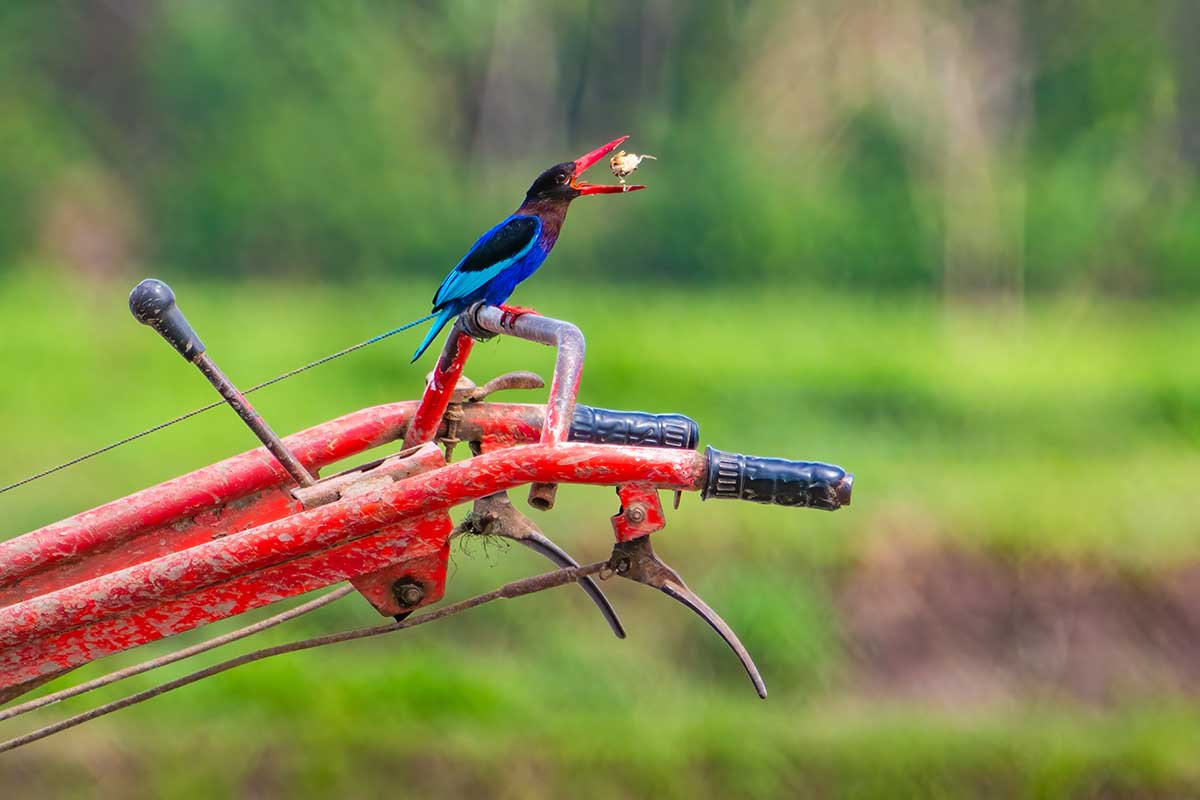
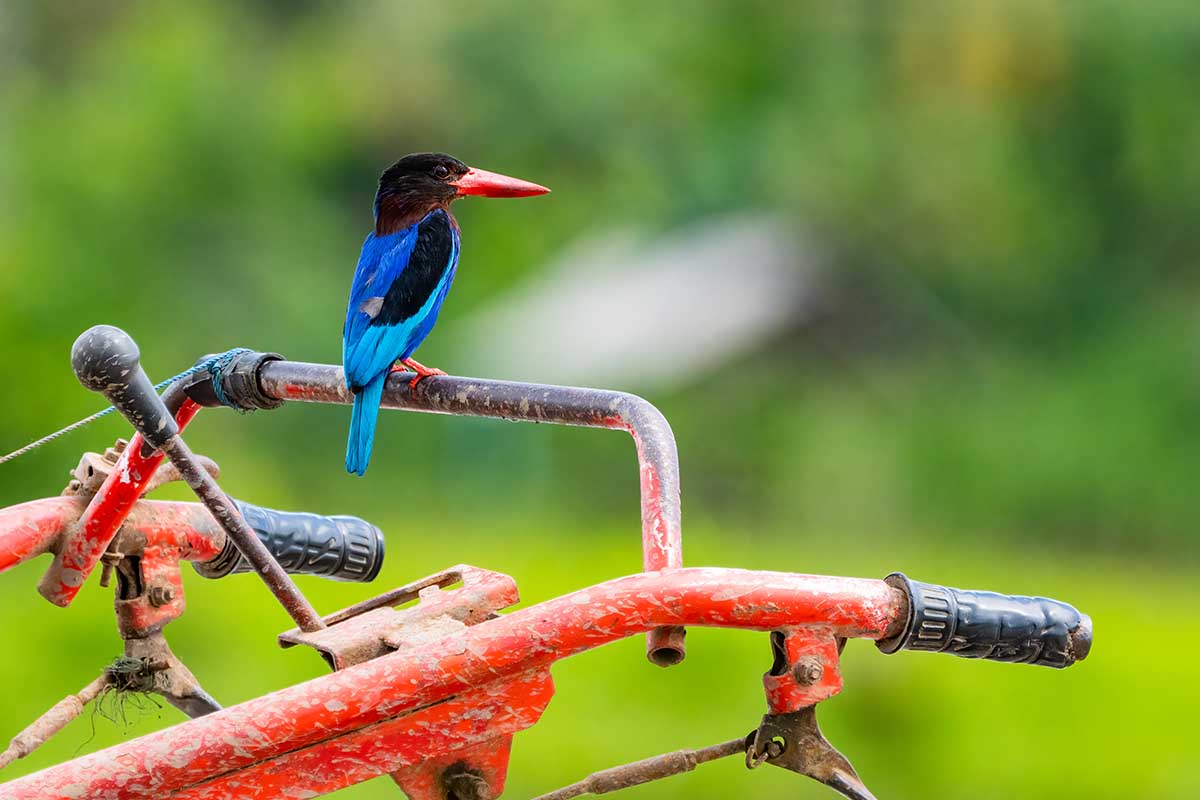
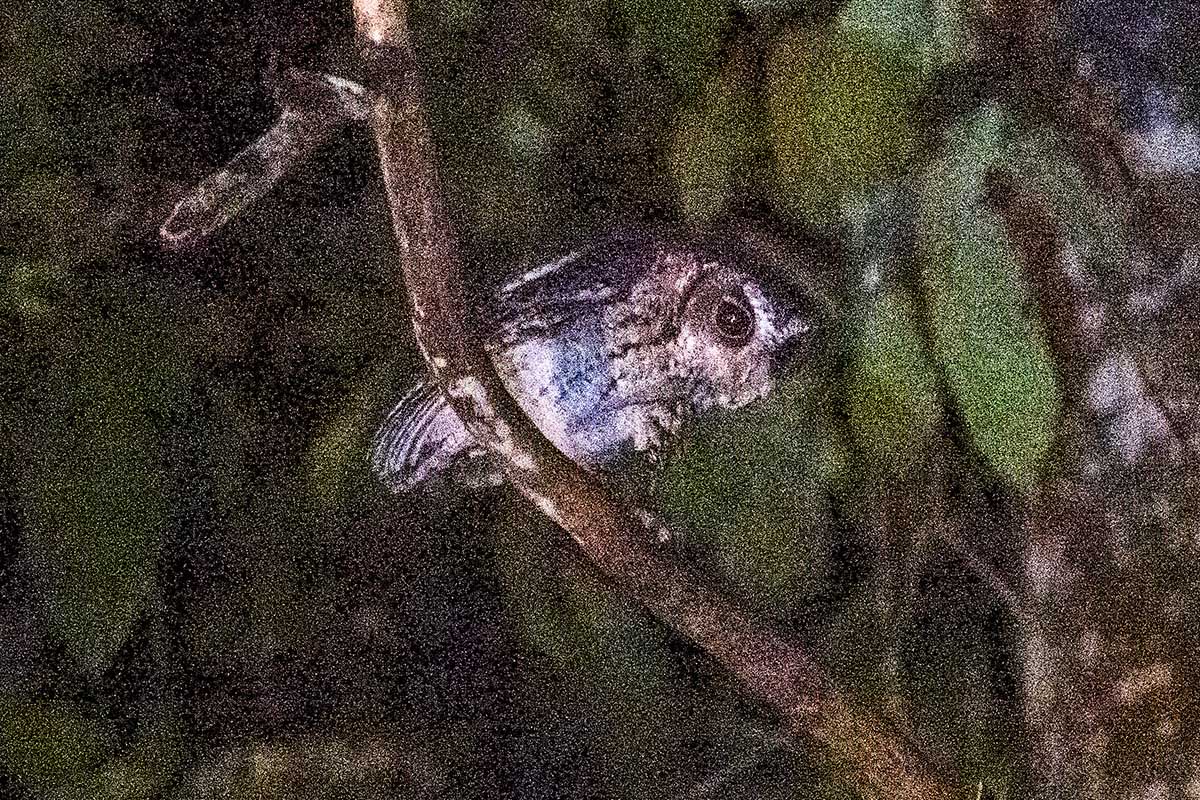
The first highlight was seeing the Bali Myna – a species once on the verge of extinction – nesting in boxes. I also encountered the Rufous-backed Kingfisher after a long wait at a hide meant for the Javan Banded Pitta. The next day, I successfully spotted the Javan Kingfisher. However, I missed the Sunda Scops Owl while birding, though I had a surprising second chance at our Airbnb, where my parents spotted one. I managed to see it, but I couldn’t take great photos because I lacked a torch. Lastly, a rare find was the Red-chested Flowerpecker, spotted at a different resort, which was a great bonus as it had only been seen twice on the island. The biggest surprise was the owl encounter at our Airbnb! After missing the Sunda Scops Owl in the field, I didn’t expect to find one just outside our accommodation. Sadly, the moment was a bit frustrating as I didn’t have a torch, and by the time I retrieved one, the owl had flown off, leaving me with grainy images.

Given a chance, I would absolutely go back! Bali’s diversity of species and habitats makes it a must-visit for any birder. I would return during the dry season for potentially better conditions and would be more prepared for night birding with a good flashlight. Also, I’d love to revisit Bali Barat National Park and explore even more hidden birding spots. Bali offers a great balance between wildlife and culture. Even if you’re not birding, the island’s landscapes and rich cultural experiences make it a fantastic destination. If I had more time, I would have loved to explore the nearby islands for even more endemic species.

Advice for someone looking to do this trip:

Best time to go: Dry season (April to October) is ideal for birding, though I visited in January and still had good sightings.

Essentials: Binoculars, camera with a good zoom, field guides, a torch for night birding, and insect repellent.

What to wear: Lightweight, moisture-wicking clothing is ideal for the heat and humidity, along with sturdy walking shoes for birding treks.

Sights not to miss: Bali Barat National Park for birding, especially if you want to see the Bali Myna.

Services: Hire a local birding guide – they know the spots where rare birds frequent and make the experience much smoother.

Food: Balinese cuisine is delicious and varied, with a lot of fresh seafood and rice dishes. Ubud, in particular, has many excellent restaurants with options for all diets.

Local customs: Bali is a predominantly Hindu island, so it’s essential to dress modestly when visiting temples or rural areas.

Author: Rahil, Patel; Avid Birder, Linnaean Member