Now Streaming: Full Circle—The Great Gull Island Project, 50 Years of Conservation
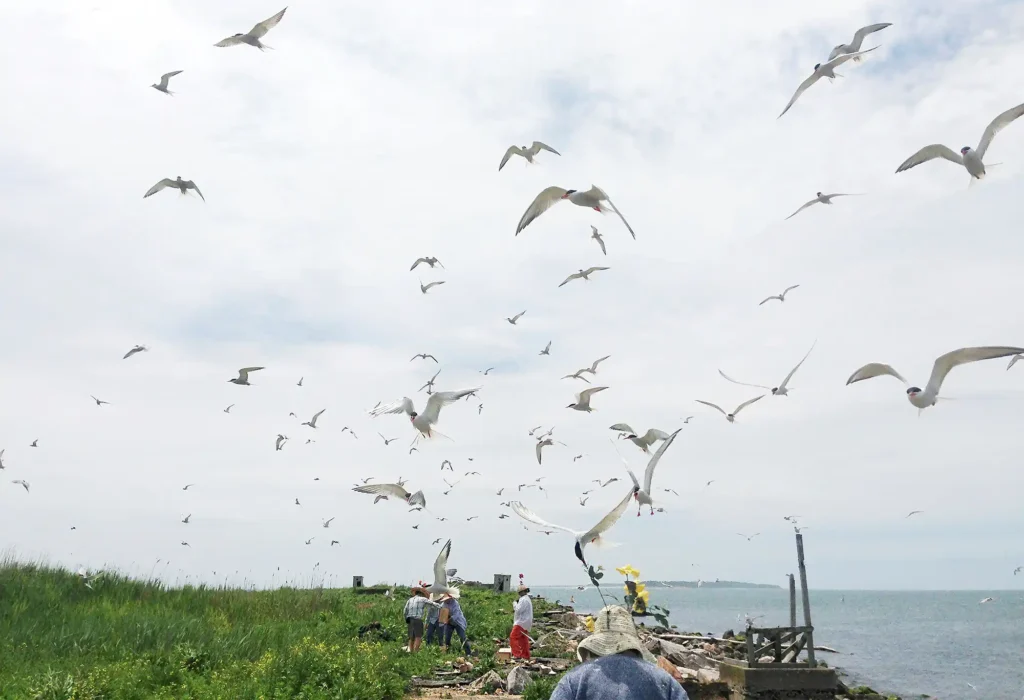
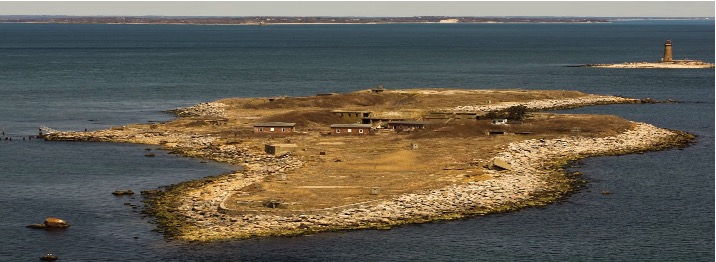
Full Circle, a documentary by director/producer Anne Via McCollough, celebrates Helen Hays, the leader of a 50-year project to save two imperiled seabirds, Roseate and Common Terns. Hays established a vitally important nesting colony for the terns on Great Gull Island, a small decommissioned military installation in Long Island Sound. Through her dedication and tireless work and that of scores of volunteers, Great Gull Island is now the world’s largest nesting colony of Common Terns and the western hemisphere’s largest nesting colony of Roseate Terns.

This inspiring film is available to stream on Amazon Prime Video, YouTube, Apple TV, and other platforms.
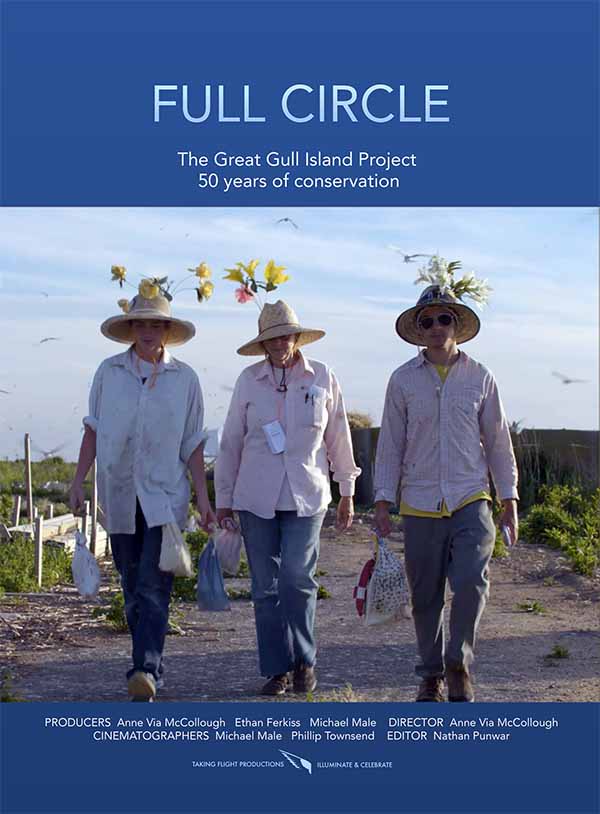
Full Circle Poster

The Great Gull Island Project’s Birdathon Weekend Is Coming — May 2-3, 2026!

Join our 2026 Birdathon, build your team, and help us raise $20K to protect one of the most important tern colonies in the world based in the Long Island Sound.

ABOUT THE GREAT GULL ISLAND PROJECT

The Linnaean Society has supported Great Gull Island’s critical tern conservation work since the 1960s. Because of that investment, this tiny island in the Long Island Sound now hosts the Western Hemisphere’s largest nesting colonies of Common Terns and Roseate Terns. Learn More Here
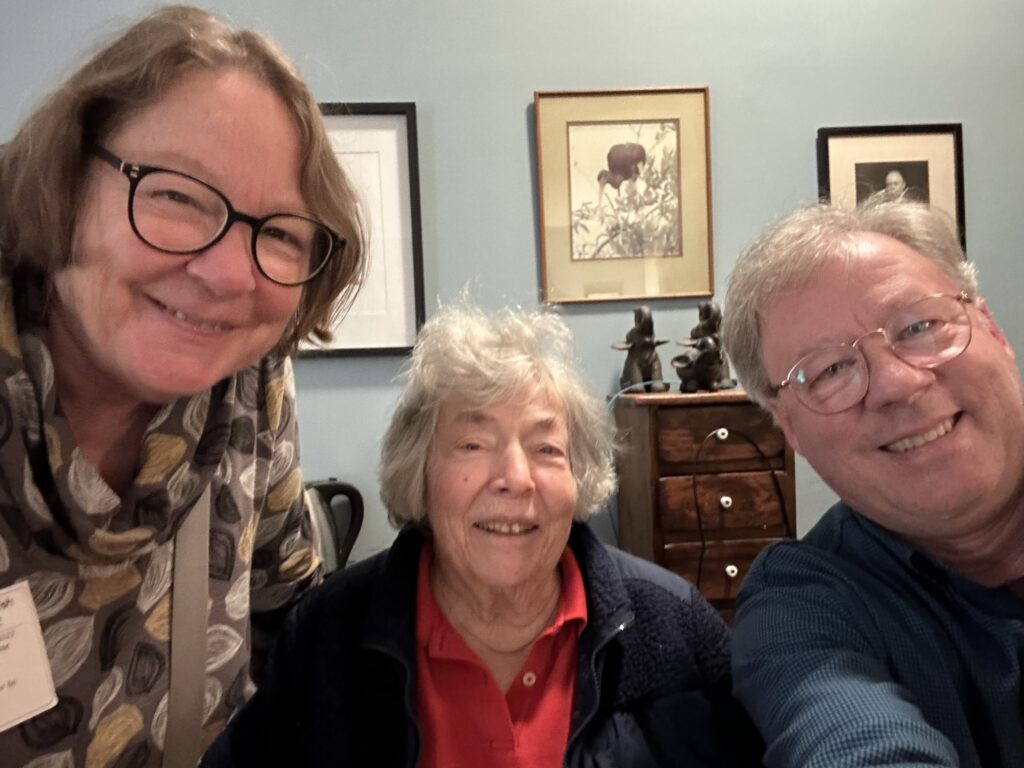
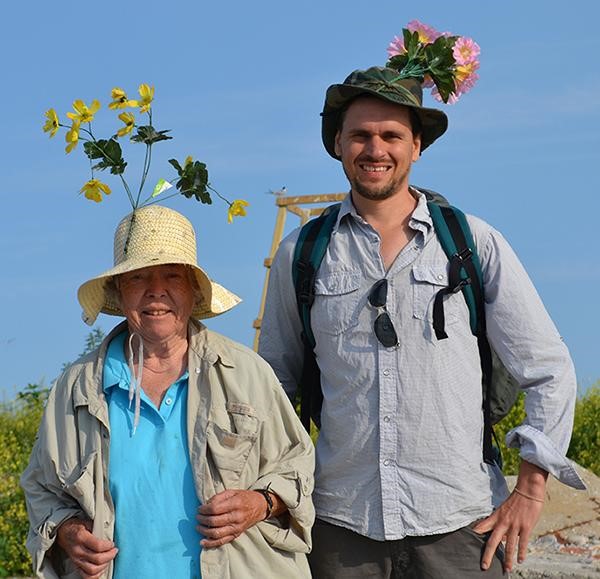
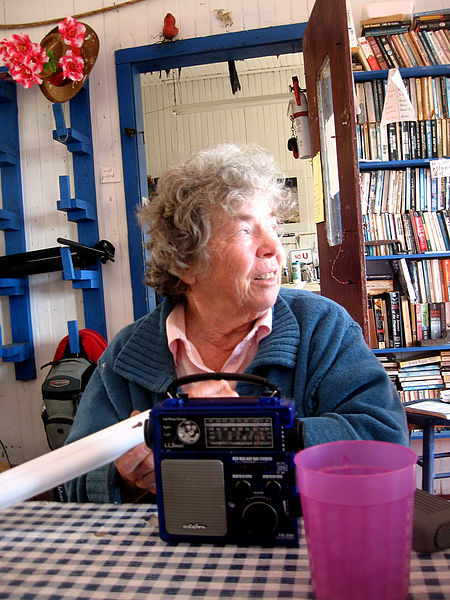
This year’s Birdathon is particularly important because Helen Hays, the visionary and lifelong leader of Great Gull Island, has passed. This year, we are birding in honor of Helen and her love for the habitat and ecosystem of the terns.

ABOUT THE BIRDATHON

To ensure the continued success of this work, the Linnaean Society hosts a yearly Birdathon fundraiser. Birders will form a team or bird solo while identifying as many species as possible over 48 hours. It’s the perfect way to enjoy spring birding while making a difference for critically endangered birds. Teams and individuals will compete for the honor of being awarded:

  • The team with the highest amount of funds raised
  • The individual with the highest amount of funds raised
  • The team or individual who has the most species on their list
  • The youngest birder
  • The team or person with the best name
  • The person with the best event photos

HOW TO PARTICIPATE AS A FUNDRAISER

STEP ONE: SIGN UP AND DOWNLOAD FORMS (NOW)
STEP TWO: FIND SPONSORS
  • Ask your friends, family, colleagues, and fellow birders to pledge their sponsorship.
  • You can sign them up yourself, or send your sponsors to this online registration form. Either way, we want to track the promised donations for each team.
  • Let your sponsors know their contribution is tax-deductible if they pay the American Museum of Natural History (AMNH) by check using the instructions below. Alternatively, our sponsors can pay you directly, and you will send the money to the AMNH as outlined below.
STEP THREE: BIRD YOUR HEART OUT (MAY 2nd TO 3rd)
  • All species counts follow the birding honor system.
  • At least two team members must be present for a species to count in your total.
  • The team leader will be invited to an eBird Trip Report, where they can list their species over the weekend.
STEP FOUR: COLLECT DONATIONS (MAY 4th to June 15th)
  • Share your species totals with your sponsors and tell them their donation total based on their pledge. Please read how to donate below. You can share this with your sponsors.
  • Also share your expected totals with the Birdathon management team.
  • Share any photos you captured over the weekend – of birds OR birders!!
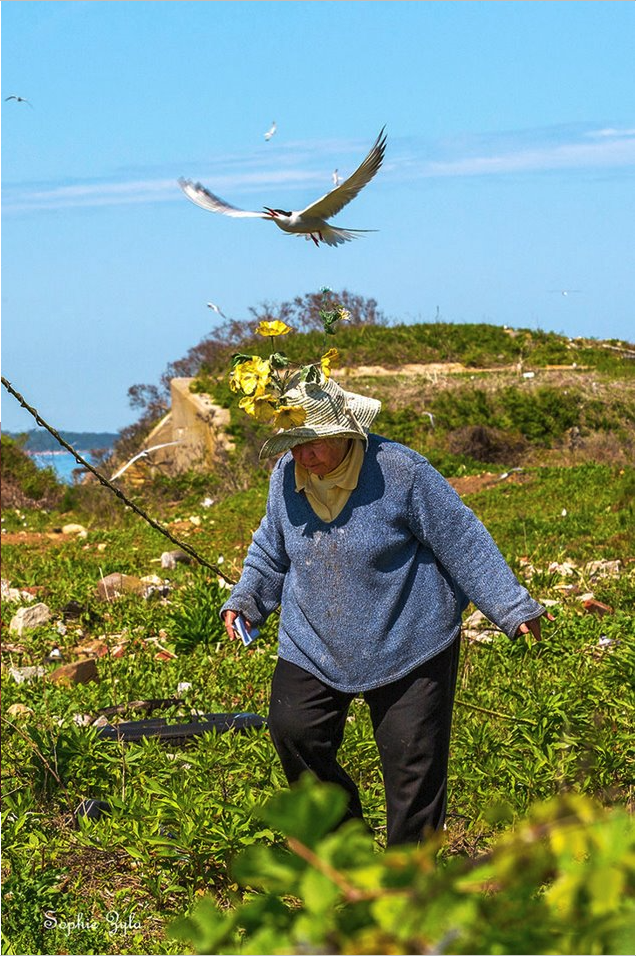
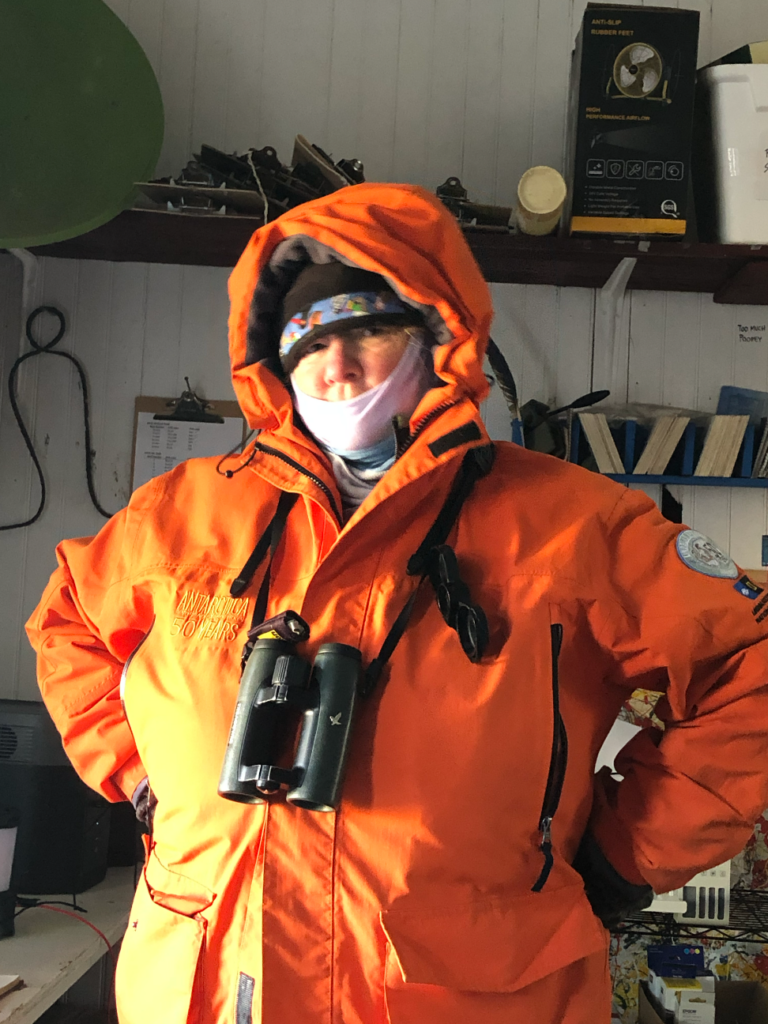
Great Gull Island - Great Gull Island - Helen Hays - Photo © Sophie Zyla
Great Gull Island – Helen Hays – Photo © Sophie Zyla

PARTICIPATING TEAMS

  • The Quack Pack (The Field Trip Committee)
    • Team Leader: Kristin Ellington
    • Team: Amanda Bielskas, Christina Black, Debbie Mullins, Linda LaBella, Mary Beth Kooper, and Suzanne Zywicki.
  • Linnaean Listers (The Board of Directors)
    • Team Leader: Gillian Henry
    • Team: Karen Becker, Meredith Barchat, Miriam Rakowski
  • The Peep Patrol (Tuesday CP Migration)
    • Team Leader: Richard Davis
    • Team: Kevin Sisco, Mindy Kaufman, Shelia Epstein
  • Our Local Patches
    • Team Leader: Anne Lazarus
    • Team: Ashley Chen, Heidi Berman, Wendy Byrne
  • Slow Birding Saturday
    • Team Leader: Chuck McAlexander
    • Team: Ellen Yamaguchi, Katherine Figueroa, Padma Vaidyanathan, Regina Burke, and more
  • Crescendo Chickens
    • Team Leader: Erika Piik
    • Team: David Spawn, Elizabeth Keim, Kathleen Matthews, Will Papp
  • Chatty Starlings
    • Team Leader: Peter Davenport
    • Team: To Come

HOW TO SPONSOR OR DONATE

You can sponsor an individual or a team participating in the Birdathon. Please add your information to this Donor Sponsor form. You are welcome to make a per-bird pledge or donate a flat rate for the event.

All donations must be received by June 15th, 2026.

PAYMENT OPTIONS

Once the Birdathon is complete, you have two payment options.

OPTION 1: Give your donation directly to the person you are sponsoring, and they will submit the funds to the AMNH on your behalf. This can be a check, cash, or other form of payment.

OPTION 2: Send a check directly to the address below.

If you provide a check, it must be made out to “Great Gull Island Project – AMNH.” To receive a tax donation form from the AMNH, you must pay via a check and include your full name and address.

Make the check payable to the “Great Gull Island Project – AMNH”

Mail it to the following address, or give it to the person you are sponsoring, and they will mail it for you.

Great Gull Island Project
Ornithology – AMNH
200 Central Park West
New York, NY 10024

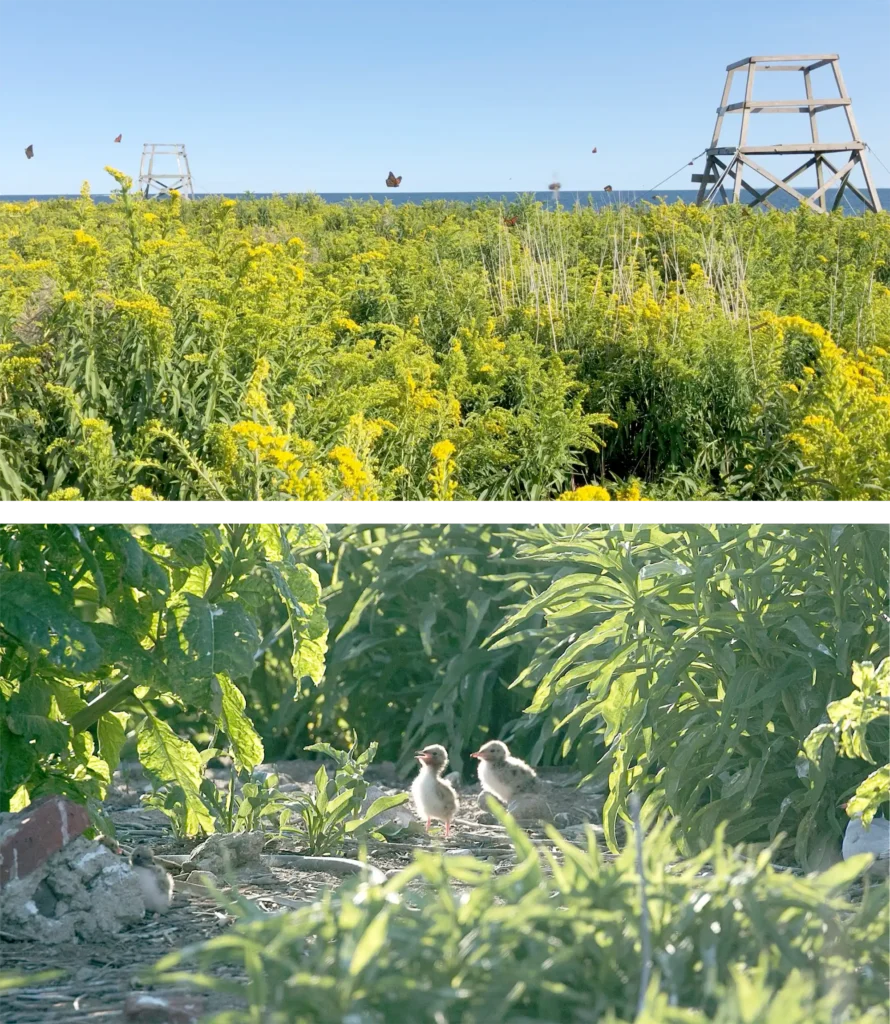
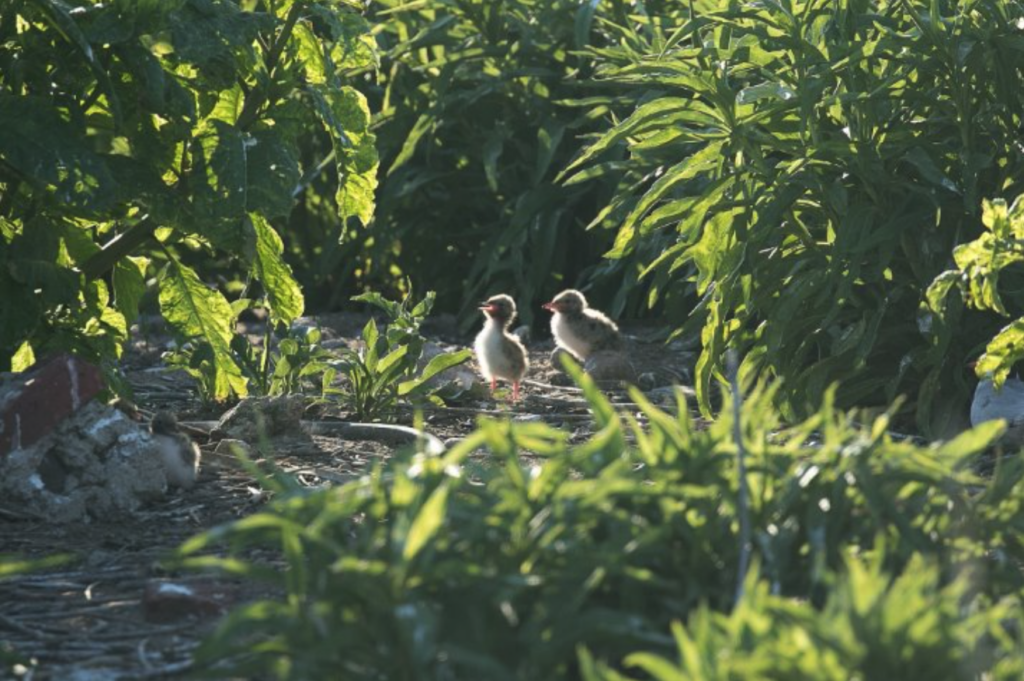
Great Gull Island - Goldenrod, Butterflies, and Chicks
Great Gull Island – Goldenrod, Butterflies, and Chicks

FAQs

Do I have to bird for 48 hours? – No. You can bird as much, or as little, over the 48 hour period.

Do I have to bird in NYC? – No. You can bird anywhere you like.

Do I have to pledge a per-bird amount? No. Although this is the most fun way to participate, you may also donate a flat rate for the fundraiser.

Who can participate? – Anyone! The goal is to raise money for the conservation of Great Gull Island. Anyone who follows the birdathon guidelines is welcome to participate.

Who benefits from the birdathon? – All funds raised go to support the conservation efforts of Great Gull Island, while the Linnaean Society organizes the birdathon this not a fundraiser for LSNY nor AMNH. We invite collaboration with other like minded organizations.

Is the donation tax-deductible? – Yes. Anyone who mails their donation directly to the AMNH, as outlined above, will receive a tax receipt.

How do I collect pledges? – Any way you want. Just ask people to donate, and then when you collect the donations, you can give them the address to send their personal check, or you can collect the money and send a check to the AMNH yourself.

Can I set up a GoFundMe or other online donation platform? – Sure, if you want to collect the donations using a digital donation platform, that’s your call. However, you will still have to mail a check to the AMNH with the total amount you have collected.

What if I missed the donation payment deadline? Although we will only count donations received as of June 15th, 2026, for the awards, you can still send your check. Great Gull Island can always use more donations.

THANK YOU!

We offer our sincerest thanks to all who participate, either as a promoter, birder or sponsor! The terns and the hard-working team at Great Gull Island also thank you.

2025 Linnaean Society of New York Award Winners

Jennifer Stalec is a talented and dedicated teacher at Eleanor Roosevelt High School on the Upper East Side, where she teaches world history to ninth and tenth graders. A teacher for 18 years, she finds her students to be delightful and is amazed by the fresh insights and perspectives they bring to the classroom.

She has always had an appreciation for the natural world and enjoys wild places and wild animals. She believes that plants and animals have a right to live alongside us, even in urban environments. Eight years ago when her principal invited her to become the faculty advisor for the school’s Green Team, she quickly said yes.

All K-12 schools in New York City have sustainability goals, and student Green Teams are one of the ways students can become educated about the need to protect the environment and develop leadership skills while helping their school meet its sustainability goals. The students on the Eleanor Roosevelt Green Team are especially interested in large-scale operations that support the city’s environmental goals. They have toured the Newtown Creek Wastewater Treatment Facility and worked in the Lavender Field at Earth Matter Farm, a large composting operation on Governors Island. They have led composting workshops at school, created an educational  bulletin board display on water conservation, and secured the signatures of their fellow students on a water pledge.

Jennifer has also encouraged the students to become more engaged with the natural world and to take advantage of the opportunities to experience green spaces right here in the city. She reached out to the Linnaean Society last year to ask if one of us would lead a bird walk for the Green Team, and Ken Chaya accepted the invitation. The students were amazed at how many birds can be seen in Central Park and were very impressed by the app Ken created, Central Park Entire, which catalogs every tree in Central Park. Ken was invited back to lead a second walk, and Jennifer led a bird walk herself in the fall. With the support of the PTA, the Green Team has acquired five pairs of binoculars, but additional donations of binoculars and field guides would be welcomed in order to include students who are not on the Green Team in the bird walks.

Jennifer’s enthusiastic mentoring of the Green Team has inspired several students to make a long-term commitment to environmental stewardship. For example, one former Green Team member, now at College of the Atlantic, has become a dedicated birder, and another is studying environmental engineering at Cornell University.

For her commitment to educating and empowering students to become advocates for the environment and the natural world, we are pleased to award the 2025 Shelda Taylor Award to Jennifer Stalec.

Dustin Partridge never expected to build a career as a conservation biologist in New York City, but several opportunities to do field work in the city convinced him that even urban areas can be rich in wildlife habitats.

After earning a biology degree, Dustin worked for an engineering firm restoring a marshland habitat in Alley Pond Park in Queens. From an early age he had loved the natural world and was intrigued by the ways animals connect with each other and their habitats. After graduating from college, he was hired by an engineering firm that was restoring a marshland habitat in Alley Pond Park in Queens. There he saw Black Skimmers, box turtles, and terrapins thriving in a tiny urban space and came to the realization that even small urban habitats can be important for fostering biodiversity.

A short time later, after the Jacob Javits Convention Center had completed installation of their green roof, they reached out to the New York City Bird Alliance (then New York City Audubon) requesting a survey of the species that were using their new sedum-covered rooftop. Susan Elbin, then Director of Conservation and Science, reached out to Dustin asking him to participate in the survey. He found that 14 bird species, including nesting American Herring Gulls, had already starting using the sedum roof! Recognizing the vast potential of the city’s many sterile and barren rooftops, he realized it was time to re-think how the built environment can support wildlife.

He enrolled in graduate school to study the biology of green roofs in greater depth. In 2020 he received a Ph.D. in biology and a certificate of advanced study in conservation biology from Fordham University. His dissertation, Urban Green Roofs as Wildlife Habitat, explored the ecological value of green roofs. While still in graduate school he helped found the Green Roofs Researchers Alliance, an association of researchers, educators, and policy makers working to increase the number of green roofs in the city. He continues to serve as their managing director.

Under Dustin’s leadership, the NYC Bird Alliance continues to monitor the Javits Center’s 6-acre green roof. Since its transformation in 2014, his team has documented 72 bird species, 5 bat species, and 18 orders of arthropods, including 19 native bee species and 11 native butterfly species using the space. The Javits Center roof is now home to the city’s largest nesting colony of American Herring Gulls.

Dustin also oversees the annual Harbor Heron survey, a 40-year effort that tracks wading bird populations in New York City and surrounding waters. New York City is home to the largest wading bird colony in the northeast, and the results of the annual census are used by various state and local agencies and other researchers who monitor population trends. Additionally, he manages Project Safe Flight, a program that enlists volunteers to tally the number of birds killed and injured in building strikes during spring and fall migration. Data from this program have been invaluable in convincing lawmakers of the need for dimming nighttime illumination and using bird-safe glass in building construction.

All scientists love data, but Dustin especially loves being able to use science and data to drive tangible change for New Yorkers and wildlife alike. He remains grateful for the hundreds of volunteers who do the hard work of collecting the data that help conserve wildlife and contribute to the biodiversity of New York City.

For his work that has benefited wildlife and fostered an interest in natural history and conservation among his volunteers and students, Dustin Partridge is the recipient of the 2025 Natural History Service Award.

2024 LSNY Homecoming Picnic

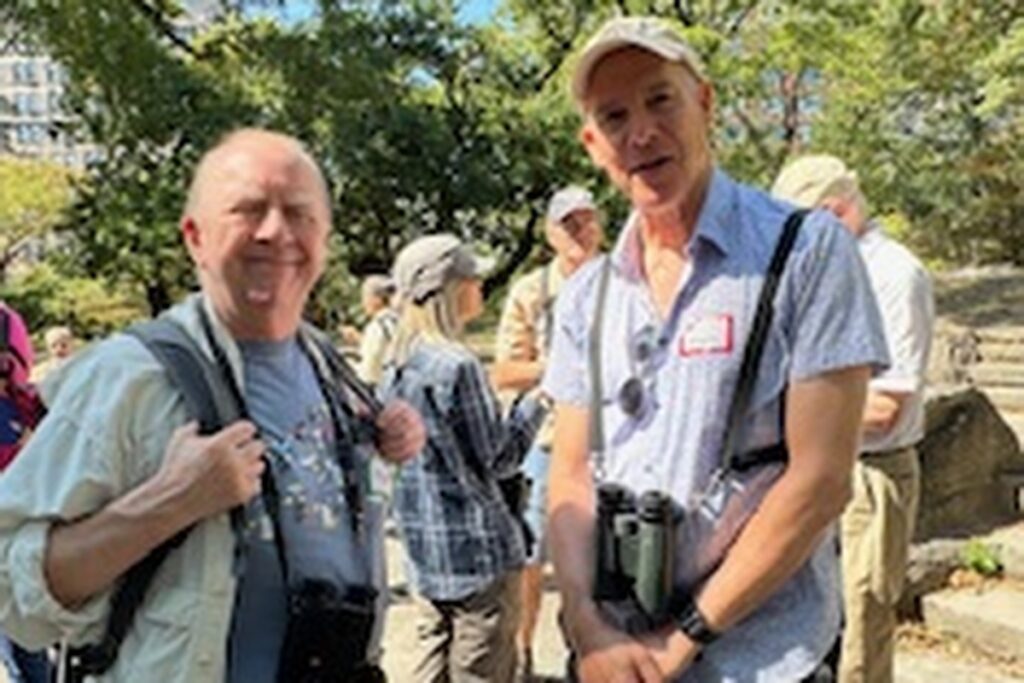
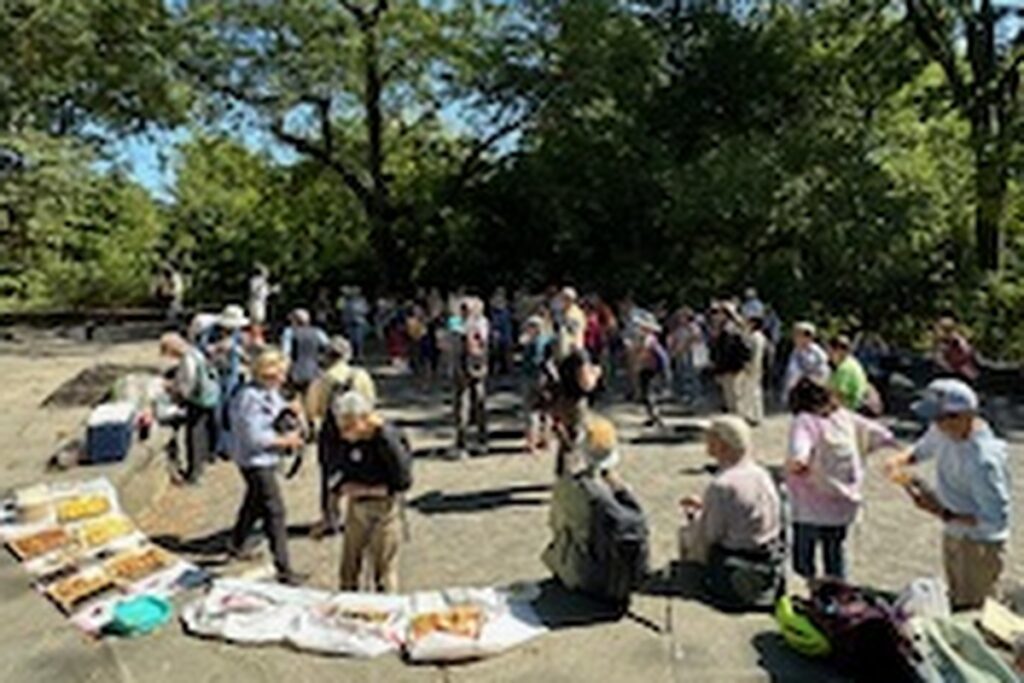
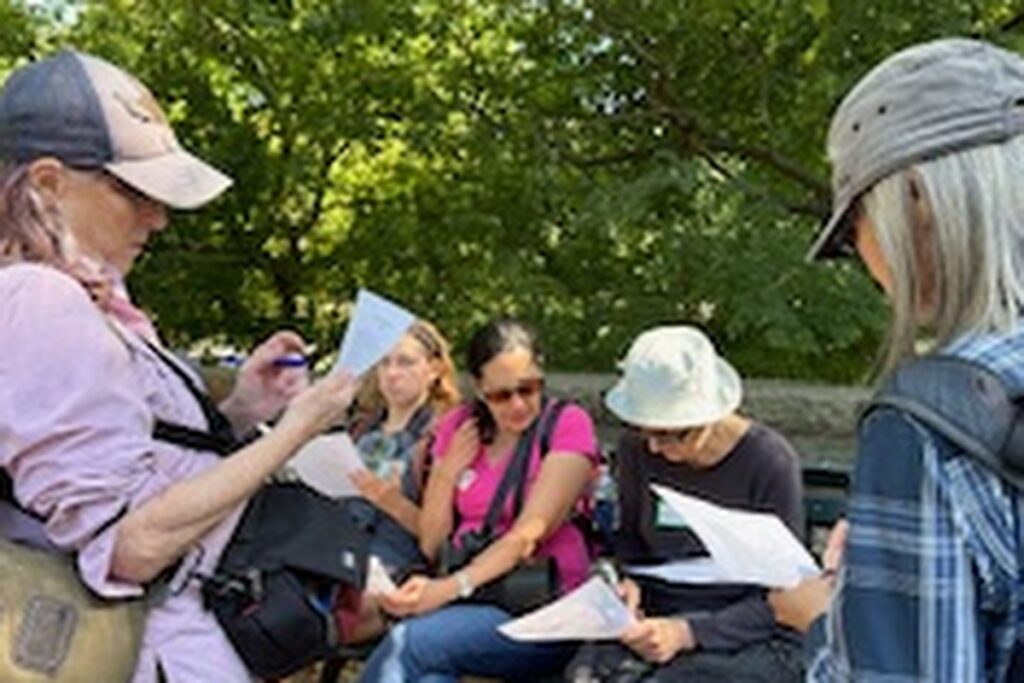
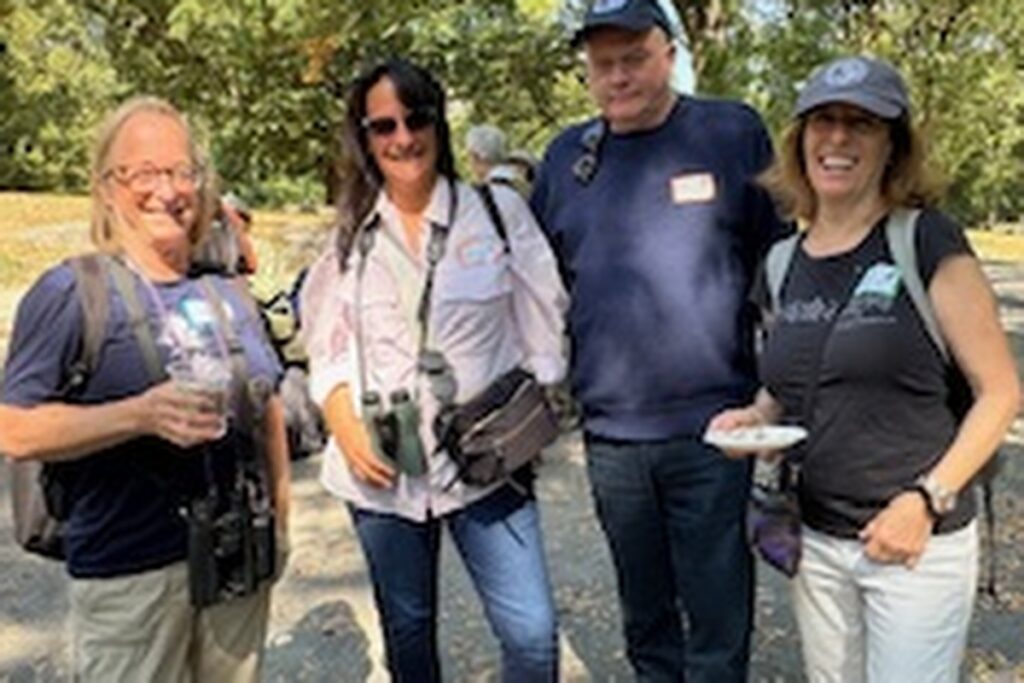
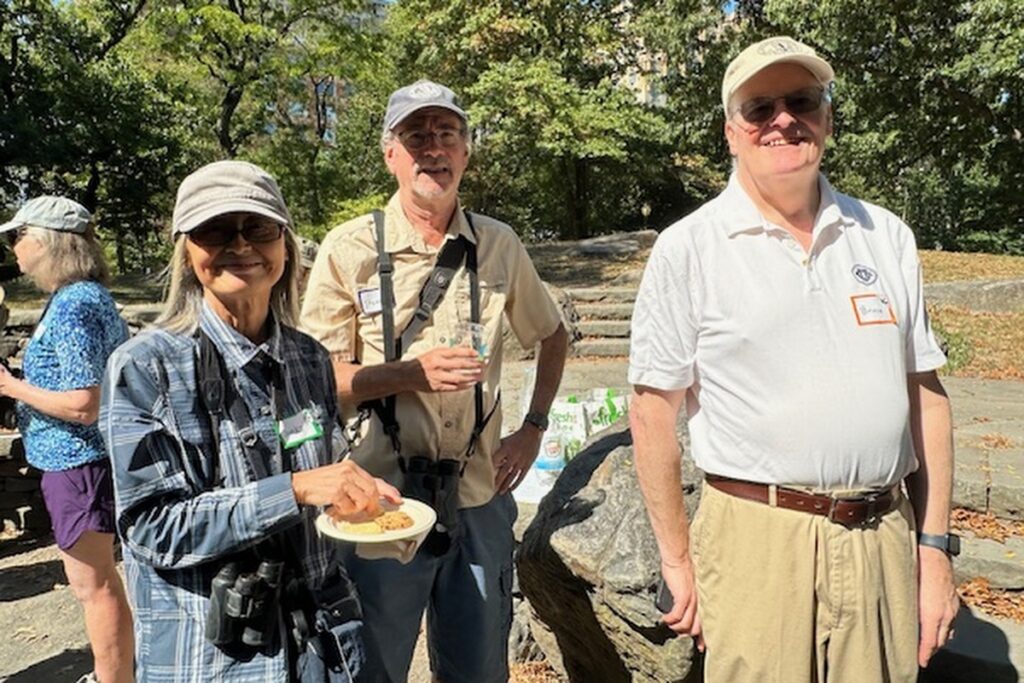
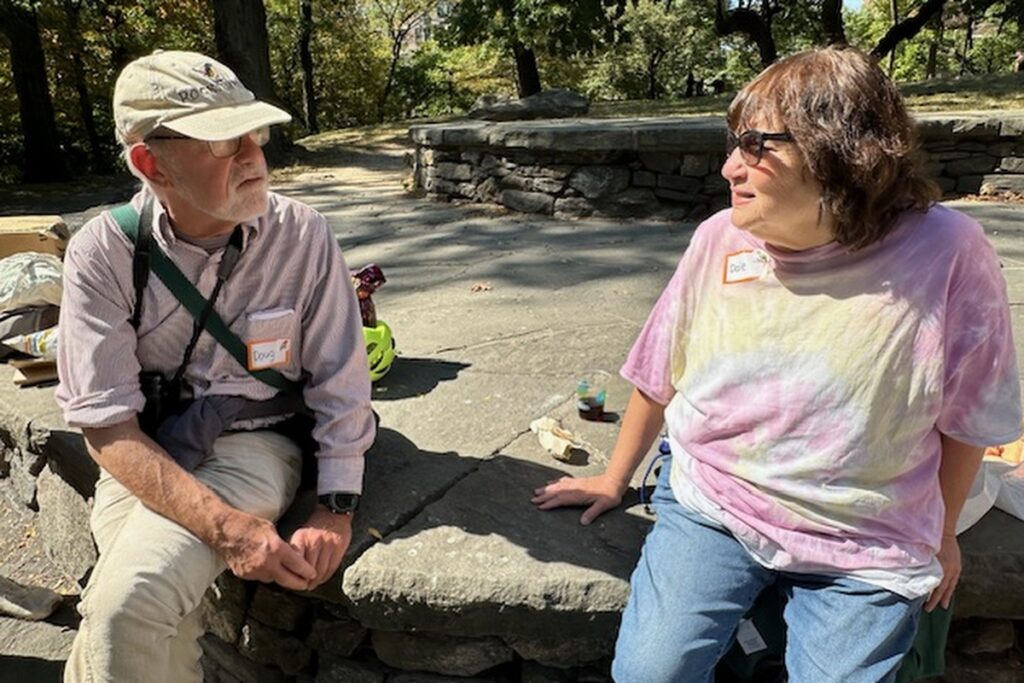
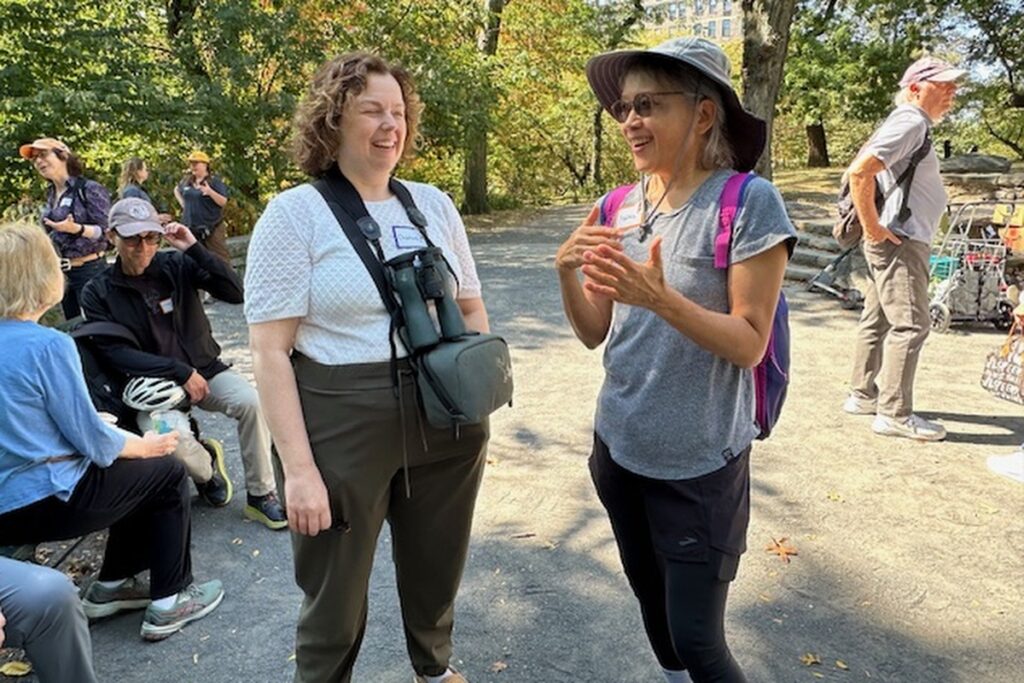
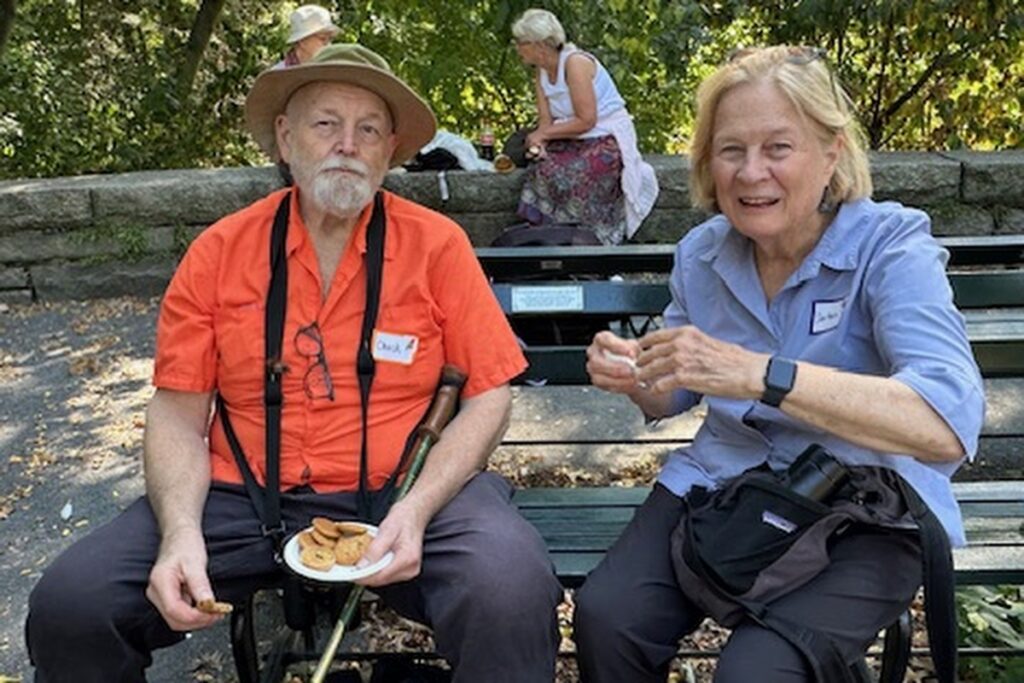
The Linnaean Society had a great turnout of members and their guests for the 2024 Homecoming Picnic held at Summit Rock in Central Park on September 22. We were lucky to have a beautiful fall day for the gathering.

It was heartwarming to greet old friends and fellow birders after a long summer. Much fun was had by all as members competed for prizes during the birding trivia game, snacked on good food, and participated in bird walks led by Debbie Becker, Peter Davenport, Ursula Mitra, and Junko Suzuki. We look forward to seeing everyone again on one of our field trips and on the monthly Zoom meetings.

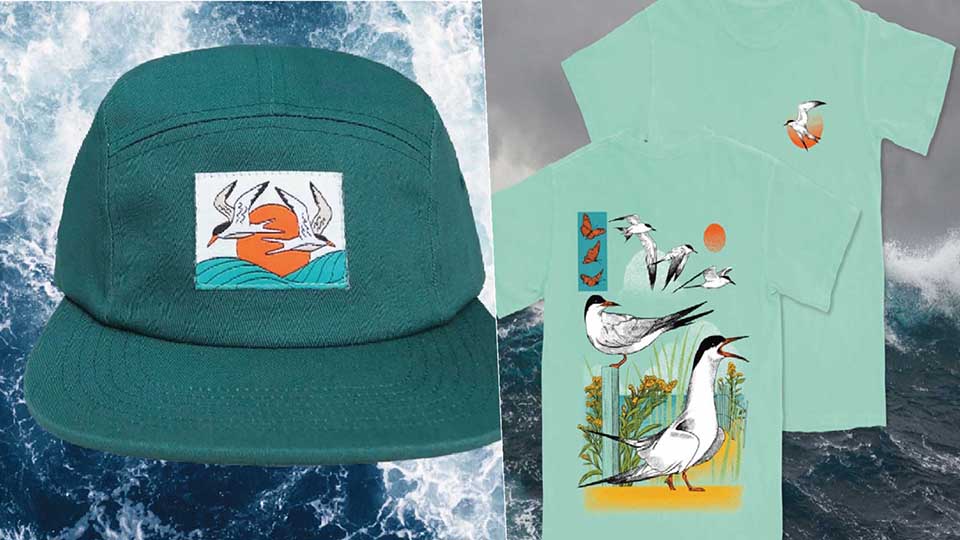
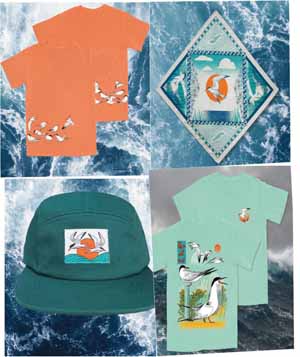
The Bird Collective — The Great Gull Island Collection

The Bird Collective, a conservation-minded apparel company, has designed a line of shirts and other products that feature images from Great Gull Island. A percentage of Bird Collective’s profits will be donated to the Great Gull Island Project to support their ongoing tern research and conservation efforts.

Please check out their offerings at birdcollective.com And purchase some items to support the terns.

Birdathon 2024 Recap — Great Gull Island

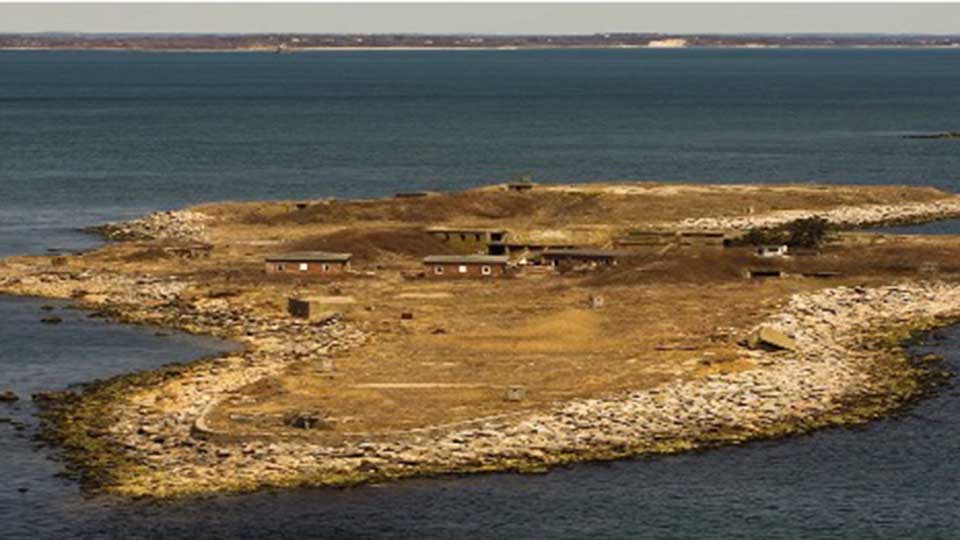
Great Gull Island - Before Restoration
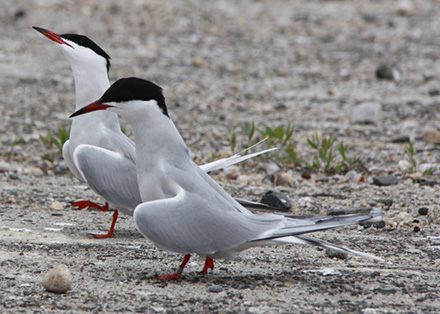
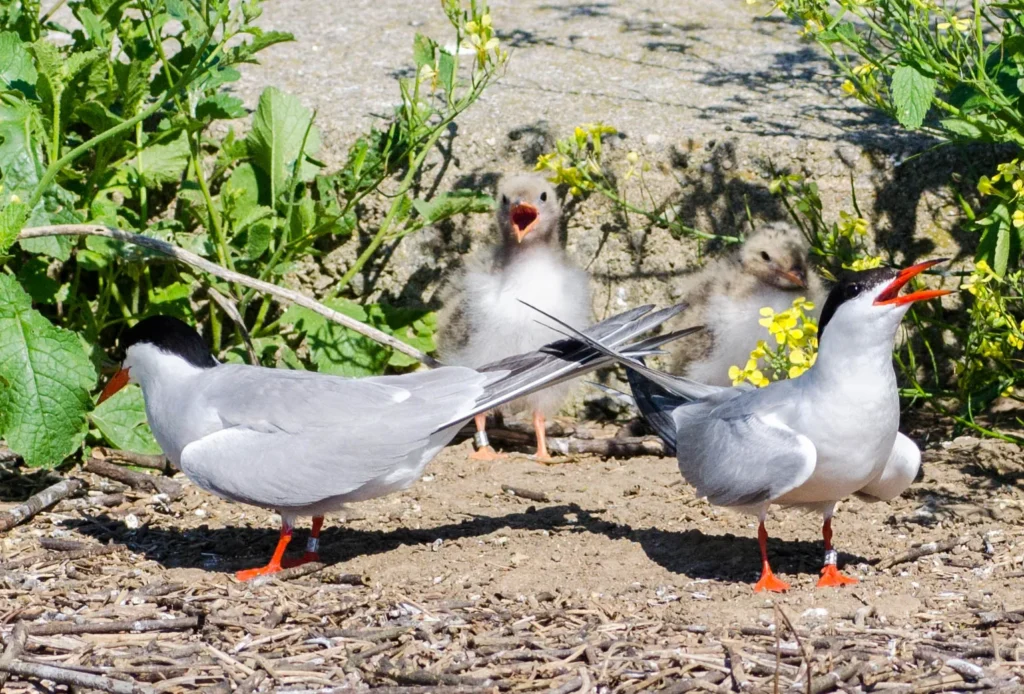
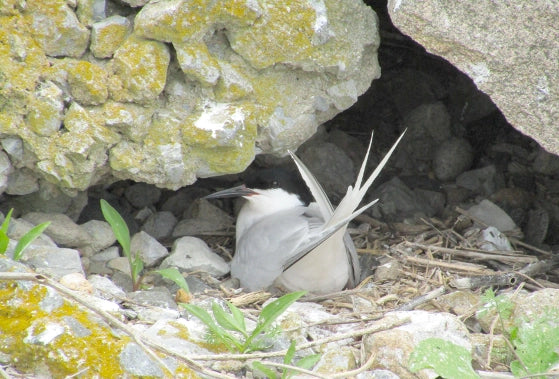
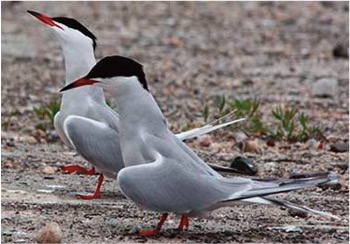
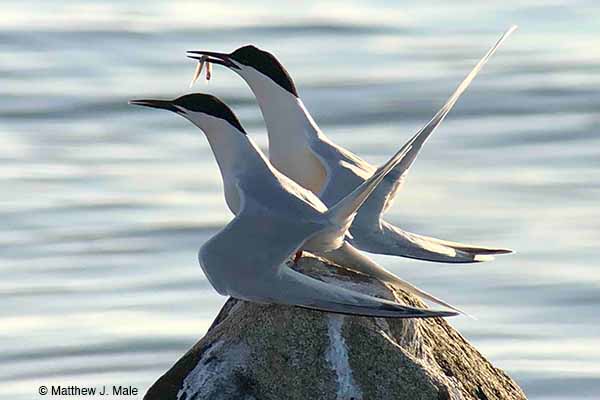
Two Common Terns displaying at Great Gull
Island © Melinda Billings

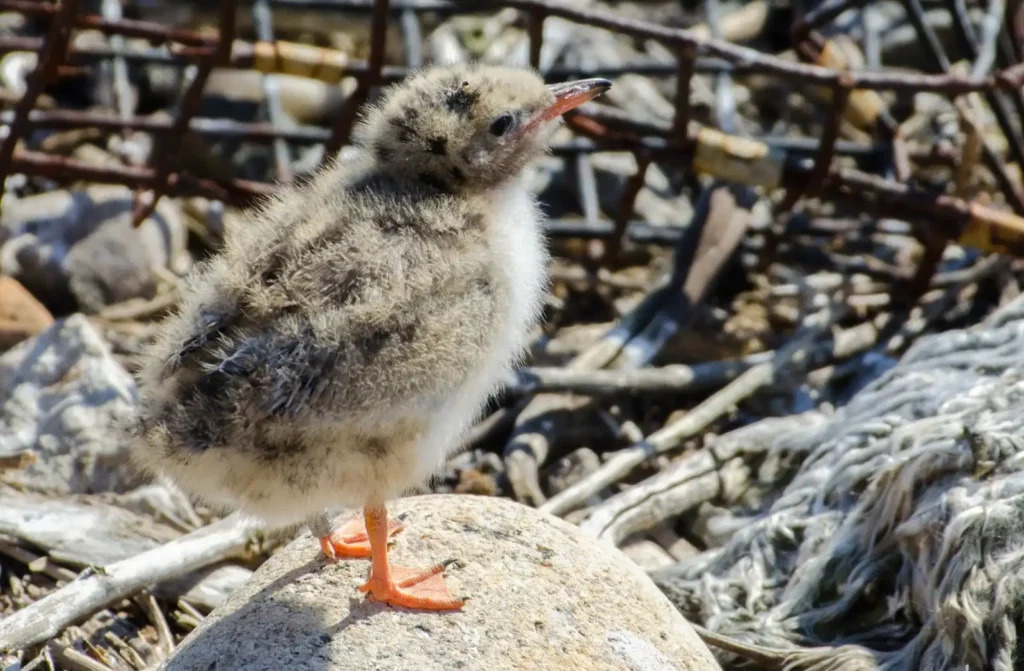
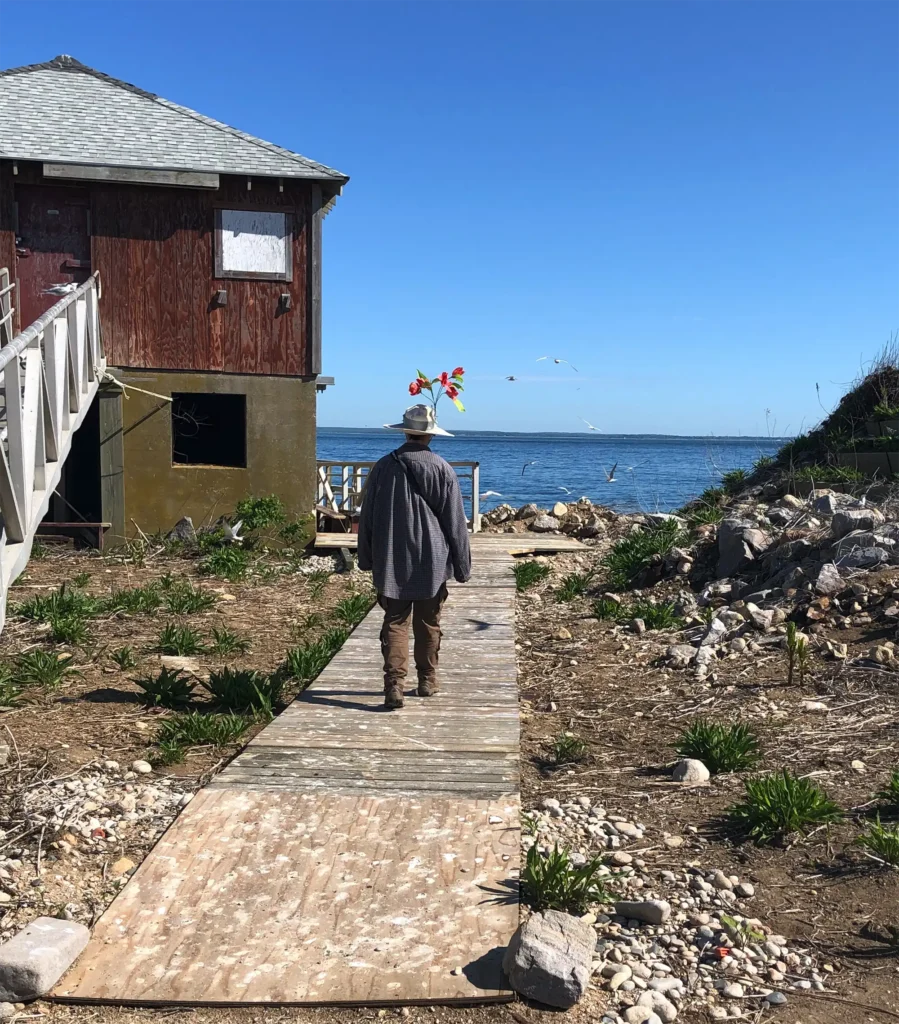
Each year, the Linnaean Society sponsors a birdathon to help raise money for Great Gull Island. The island, which was acquired by the American Museum of Natural History in 1949, is home to the world’s largest nesting colony of Common Terns and the largest colony of Roseate Terns in the Western Hemisphere. Located in Long Island Sound next to Plum and Orient Islands, it has remained uninhabited and desolate.

In 1969, ornithologist and naturalist Dr. Helen Hays made a visit to Great Gull Island and realized it was a nesting haven for terns. Since then, she has supervised the repurposing of the island to favor nesting conditions for the birds. Her work has been successful, and the most recent counts of Common Terns show more than 26,000 nesting pairs. Dr. Hays has been recognized for her contributions to bird conservation and has received a service award from the United States Department of the Interior, among other accolades for her work.

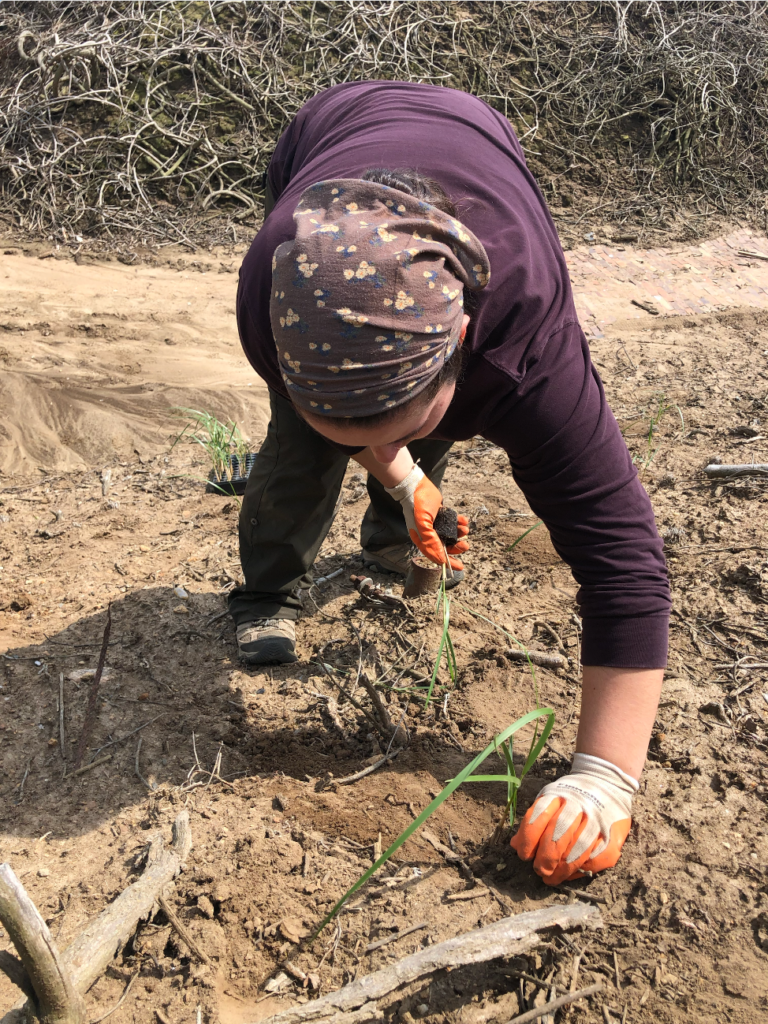
This year’s Linnaean Society birdathon raised almost $6,000 to contribute to the island’s maintenance and to help fund the interns who work to keep the island free of invasive plants that could ruin the terns’ nesting sites.

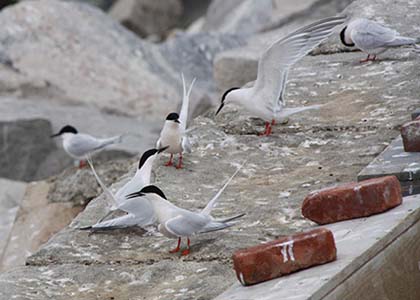
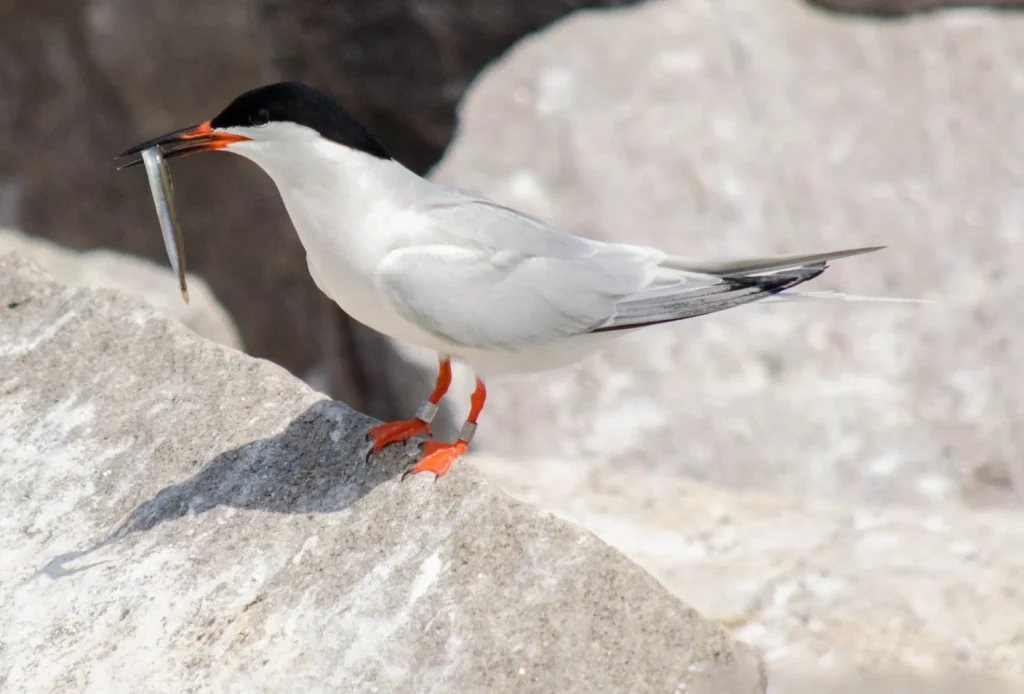
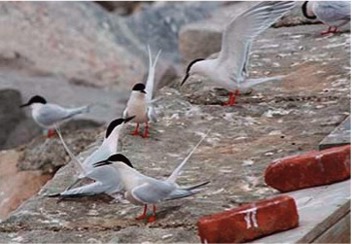
Roseate Terns in front of a line of nest boxes on the
western end of Great Gull Island © Melinda Billings

The Linnaean Society birding teams included Slow Birding Saturday ($4,037); Wandering Warblers ($431); Gnoble Gnatcatchers ($902); and Scarlet Tanagers ($194).

“A birdathon is a fun and challenging day at the office,” said Amy Chaplin, who volunteered on one of the five teams organized by the Linnaean Society.

The Gnoble Gnatcatchers observed 106 species of birds as they birded Sunset Cove Park, Jamaica Bay Wildlife Refuge, and Central Park. Some of the highlights included Blue-winged Teal, Ruby-throated Hummingbird, Clapper Rail, American Oyster- catcher, Willet, Forster’s Tern, Little Blue Heron, Glossy Ibis, Red-headed Woodpecker, Yellow-throated and White-eyed Vireos, Purple Martins, Yellow-headed Blackbird, Rose-breasted Grosbeaks, Scarlet Tanagers and a variety of warblers. These are all species that migrate through the NYC area during the month of May.

— Debbie Becker

LSNY Evening Bat Walk in Central Park Featured in the West Side Rag

Our annual evening bat walk in Central Park, led by Danielle Gustafson, was featured in the July 26, 2024 edition of the West Side Rag, a local paper covering the goings-on of  the Upper West Side of Manhattan. Danielle, a board member of Bat Conservation International, has been leading these popular walks for many years. Participants use electronic bat detectors to hear the bats’ ultrasonic vocalizations and are mesmerized by the sight of bats swooping through the evening sky in pursuit of insects. The article, by Bonnie Eissner, includes photographs by LSNY members Bruce Yolton and Barbara Saunders and quotes from member Savannah Conheady.

2023 Eisenmann Medalist Featured in Harvard Magazine

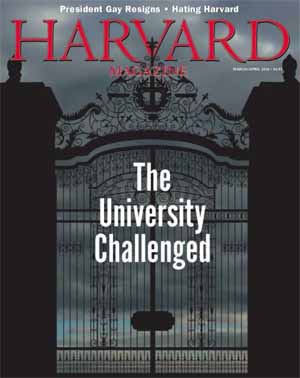
Dr. Scott V. Edwards, our 2023 Eisenmann Medalist, is the subject of a very interesting feature article in the latest issue of Harvard Magazine. The article, by Veronique Greenwood, traces Edwards’ career path and highlights some of his major contributions in molecular evolutionary biology, including studies on the evolution of the major histocompatibility complex in birds and his pioneering use of whole avian genomes to construct phylogenetic trees.

2024 Linnaean Society of New York Award Winners

Anthony Ciancimino—2024 Shelda Taylor Awardee

Each year the Shelda Taylor award is presented to a teacher who, like Ms. Taylor herself, has made a sustained and substantial impact on educating students in the field of natural history. The recipient of this year’s award is Anthony Ciancimino. A Staten Island elementary school teacher, Anthony has extended his classroom through science-based field trips, taking students out into the natural environment so they may develop an appreciation of the ecological wonders of the world around them.

In addition to working with his own students, Anthony leads nature walks for NYC Audubon. He also devotes time to a local non-profit organization, the Children’s Aid Society, where he established a science program that introduces youngsters, some still in elementary school, to the study of birds and the joy of birding. Through these activities, Anthony is helping young people to develop a connection to nature that, ideally, will last a lifetime.

As both a formal teacher, an Audubon guide, and a volunteer educator, Anthony Ciancimino has significantly impacted scores of students and young people. In these roles, and through his commitment to broadening the ecological education of so many, he has carried on Shelda Taylor’s legacy; he clearly deserves the award that bears her name.

— Eric Mathern

Chris Allieri—2024 Natural History Awardee

This year’s Linnaean Society’s Natural History Service Award recipient is Chris Allieri. In March of 2021, while observing federally threatened and New York State-endangered Piping Plovers that were nesting on a crowded New York City beach, Chris was struck by the threats to these shorebirds from both humans and off-leash dogs. As a child growing up on the Jersey Shore, Chris had seen signage and beach closures associated with the arrival of plovers each year, and he wondered why these birds had been left to fend for themselves in New York. The day following that discovery, having decided that it was his responsibility to do something about it, he established the NYC Plover Project. The first order of business was to create an Instagram account, and the second was to build partnerships with the very agencies he had been critical of for their lack of action.

What initially started as an attempt to recruit a few friends to assist in the tiny bird’s survival eventually evolved into a broader mission. Using social media, Chris attracted a large team of volunteers to help ensure the birds’ safety as they breed along the shorelines of New York State and nearby areas.

Today, the organization has grown to a staff of four and a force of 250 volunteers who have performed some 10,000 hours of service since the organization began operation. Each spring and summer, they monitor the nesting plovers and their chicks on the crowded beaches of the Rockaways in Queens. Using conflict de-escalation training, members of the Plover Project engage beachgoers, alerting them to the nesting sites’ presence and the birds’ vulnerability. Because of their efforts and Chris’s resolve to help the Piping Plover, stretches of beach where the shorebirds had been nesting are now becoming sanctuaries for the them, protected by an army of volunteers out on the beaches, from sunup to sundown. The individuals monitoring the beaches serve as diplomatic voices for the small birds, thereby greatly increasing the odds of a successful nesting season.

Nevertheless, while plover nest productivity has recently surged on National Park Service beaches, such as Breezy Point Tip and Fort Tilden, birds on NYC Parks beaches, including Far Rockaway, Arverne and Edgemere, haven’t been as fortunate, due to nest vandalism by humans and vitriol against temporary closures. So, there is much more work to be done. The NYC Plover Project is doubling down on education efforts. In 2024, the group expanded its work in NYC public schools and will reach primary grades through high school, with arts programming and citizen science initiatives for high school students. Additionally, the organization is expanding the volunteer programs and community engagement efforts on the NYC Parks’ beaches.

While it’s impossible to calculate exactly how many chicks have survived since Chris Allieri’s NYC Plover Project first took flight in the spring of 2021, there’s no doubt that he has had a profound impact on the future of this fragile species, if only because Piping Plovers—once invisible to most—are now a part of the New York City conversation. For that he is truly deserving of the Linnaean Society’s Natural History Service award.

— Eric Mathern

Rally to Support the Birds and Bees Protection Act

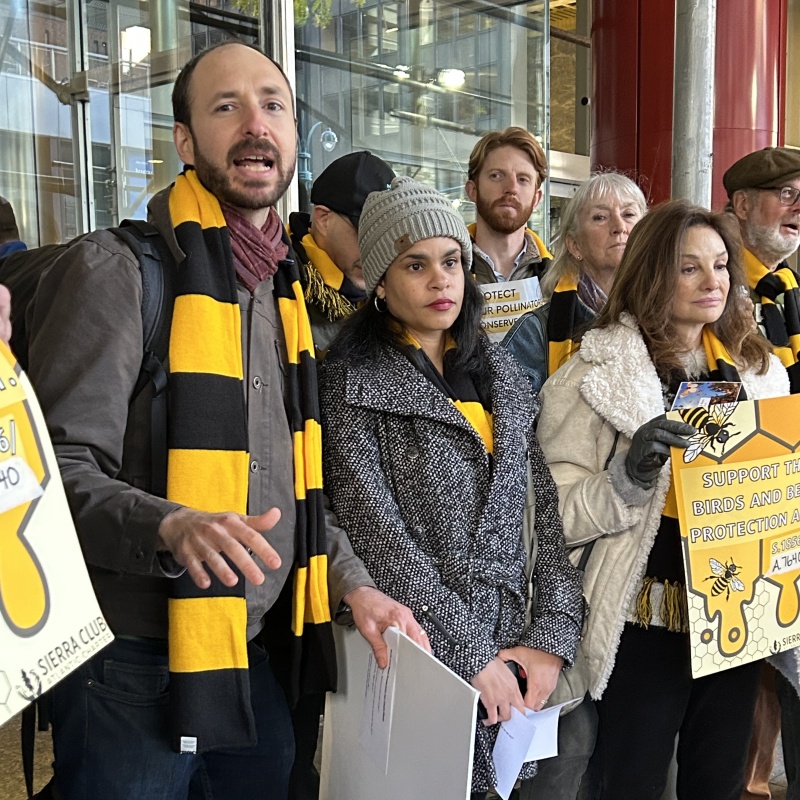
Daniel Raichel of the NRDC addressing
the gathering

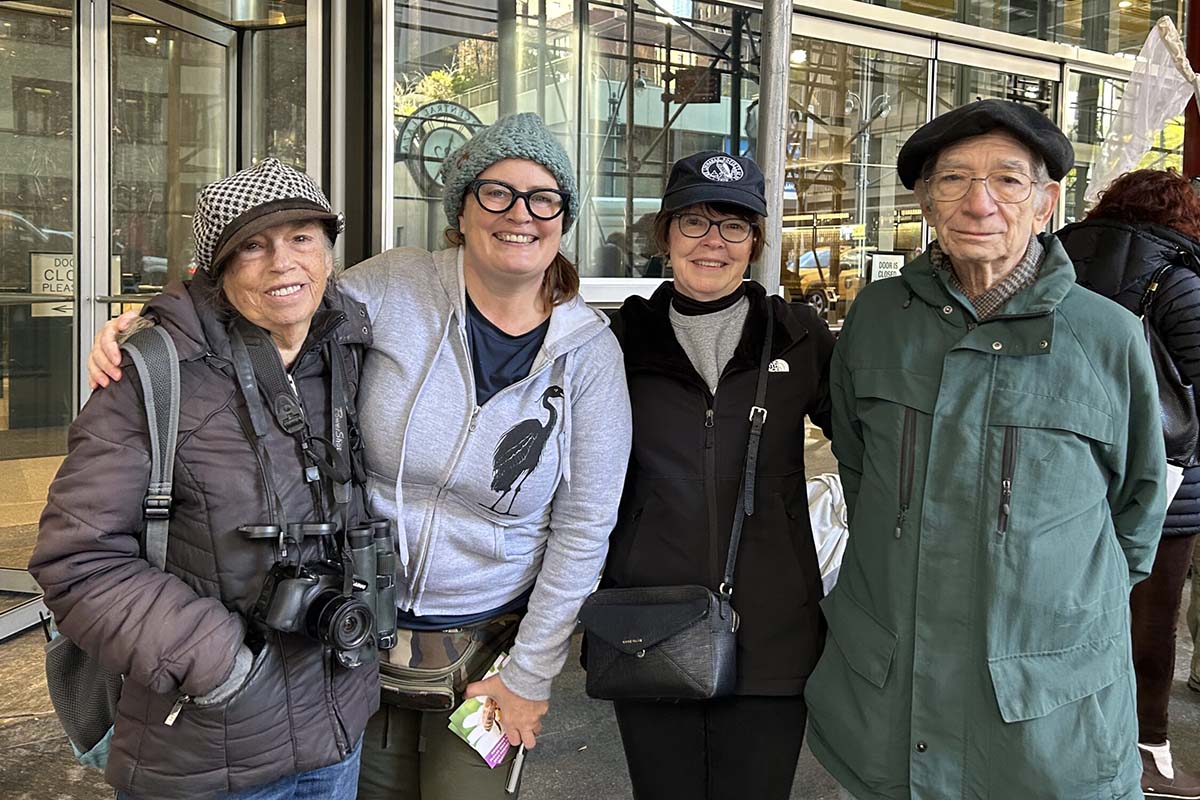
A rally in support of the Birds and Bees Protection Act (A7640/S1856A) was held on November 15, 2023, in front of Governor Hochul’s New York City office. A spirited assembly of environmental activists, including a contingent from the Linnaean Society, gathered to urge the governor to sign this bill, which would ban the use of highly toxic neonicotinoid pesticides in New York State. Last June, the state legislature passed the bill with strong bipartisan support, but the governor has yet to take action on it.

The use of neonicotinoid pesticides has resulted in tremendous losses of the insects required for pollinating crops, as well as in killing grassland birds. Daniel Raichel, acting director of the Pollinator Initiative for the Natural Resources Defense Council, addressed the gathering, emphasizing that the enormous amounts of neonics applied to farmland have resulted in the contamination of lakes, rivers, and drinking water. Other speakers addressed the adverse effects of neonicotinoid pesticides on human health, especially that of pregnant women, children, and people of low-income communities.

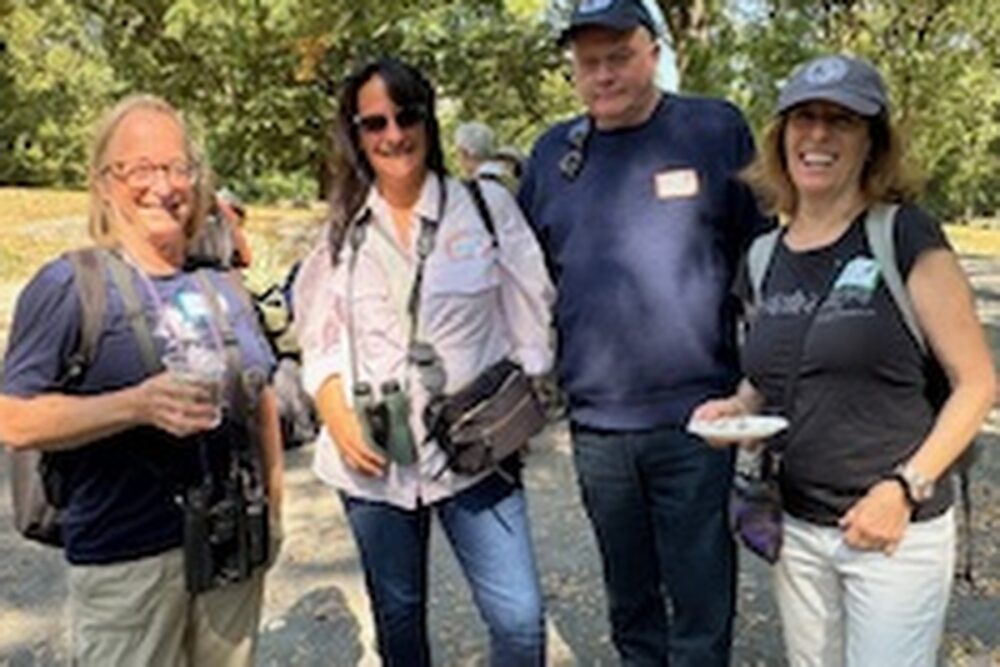
LSNY members attending the rally. L to R-Anne
Lazarus, Kristin Ellington, Debbie Mullins, and
Peter Post. Not pictured-Sally Weiner

Please write or call Governor Hochul today to urge her to sign the Birds and Bees Protection Act (A7640/S1856A) into law. Without her signature, the bill will expire on December 31